Ragdoll Cat Health Issues: What to Watch For
Start here
Ragdolls are large, docile, affectionate cats that are generally healthy, but the breed has a few notable risks: hypertrophic cardiomyopathy (HCM), urinary tract and bladder stone problems, obesity, and kidney disease. Heart disease in particular can be silent, so DNA screening and monitoring weight, breathing and litter-box habits are the keys to catching issues early.
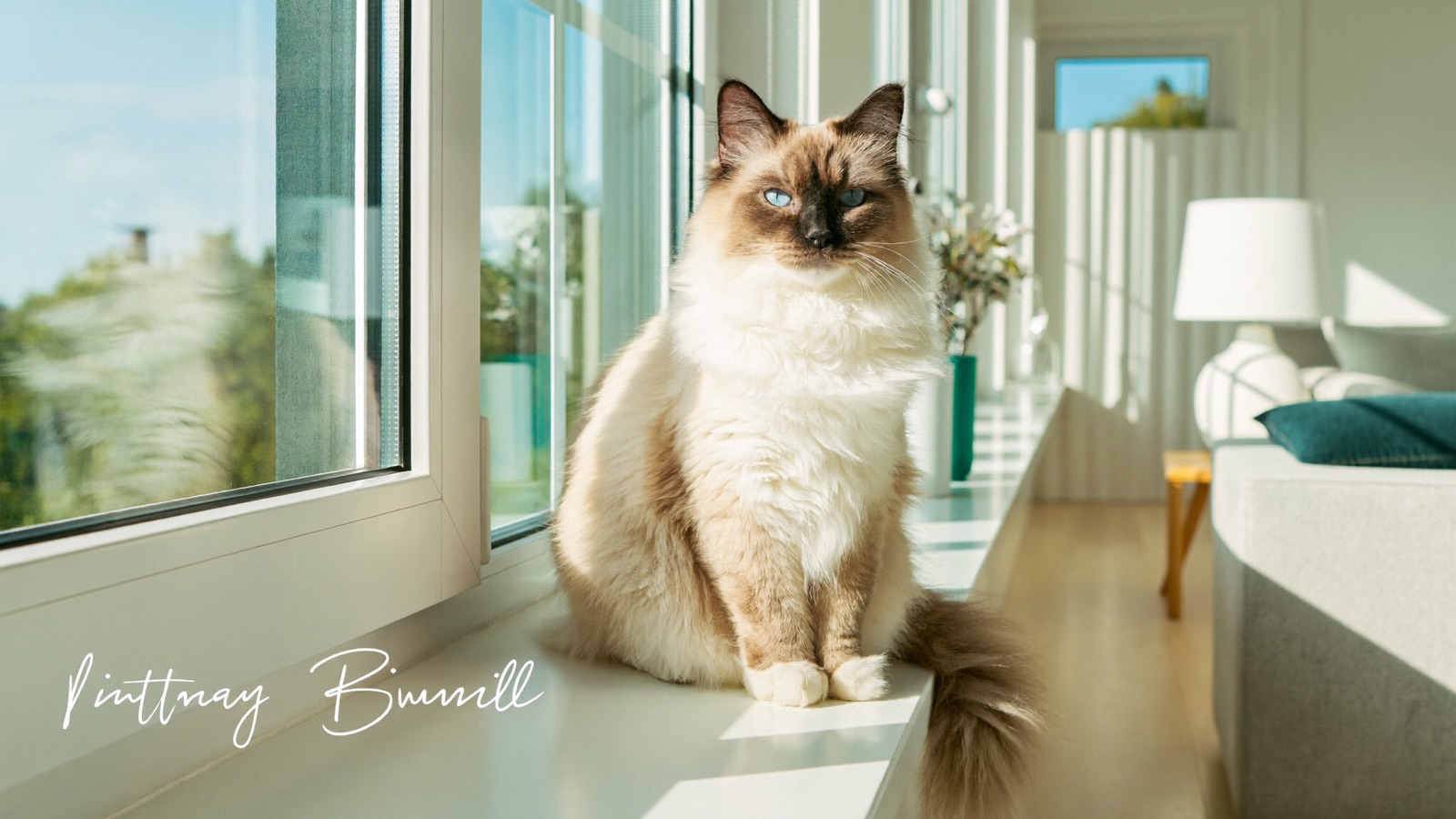
The gentle giant's health profile
Ragdolls are big, slow-maturing, easygoing cats known for going limp with relaxation when held. They are robust overall, though not unusually long-lived: in a UK primary-care study of 2,025 Ragdolls the median age at death was 12.85 years, a little under the 14.0-year median for UK cats as a whole, which is typical for a pedigree breed. Their size and genetics bring a small set of predictable concerns — most importantly a breed-linked heart disease.
Because Ragdolls are so mellow and tolerant, they're especially good at hiding discomfort. Knowing your cat's normal weight, breathing rate, energy and litter-box habits gives you the baseline you need to notice when something shifts.
Hypertrophic cardiomyopathy (HCM)
HCM is the most important health concern in Ragdolls. This thickening of the heart muscle can be silent for years, then cause sudden trouble — fast or labored breathing, weakness, or sudden hind-leg paralysis from a blood clot are emergencies. Contact your vet immediately.
A specific gene mutation (MYBPC3, a Ragdoll-associated variant) is linked to HCM in the breed, and a DNA test exists — reputable breeders screen their cats. Because a negative DNA test doesn't fully rule out HCM, vets may also recommend periodic heart ultrasound (echocardiogram).
See our HCM in cats guide for warning signs. Counting your cat's resting breathing rate at home is one of the simplest, most valuable monitoring habits.
Urinary and bladder problems
Ragdolls can be prone to urinary tract issues, including bladder stones and feline lower urinary tract disease (FLUTD). These cause discomfort and, in male cats, can lead to a life-threatening blockage.
Straining to urinate with little or no output — especially in a male cat — is an emergency. A urinary blockage can be fatal within a day or two. Go to a vet immediately.
- Signs: straining, frequent trips to the litter box, blood in the urine, crying while urinating, or urinating outside the box.
- Help prevent it: encourage water intake, feed wet food, and keep the litter box clean.
Learn more in our guides on FLUTD and blood in cat urine.
Weight, kidneys and other risks
Ragdolls' calm, indoor-loving temperament makes weight gain easy, and their large frame can disguise it. Obesity worsens heart, joint and urinary risks all at once.
| Concern | What to watch for |
|---|---|
| Obesity | Judge by body condition (feel the ribs, see a slight waist), not a number; weigh regularly to track trends. |
| Kidney disease | Increased thirst and urination, weight loss and low appetite as cats age — see our kidney disease in cats guide. |
| Dental disease | Bad breath, drooling or trouble eating; routine dental care helps. |
Practical take: the Ragdoll's biggest risks — HCM and urinary disease — can turn serious fast, but usually give quiet early clues in breathing, weight and litter-box habits. Tracking those at home is your best early-warning system.
Keeping your Ragdoll healthy
A healthy Ragdoll usually comes down to a few habits: choose a kitten from a breeder who DNA-tests for HCM, keep your cat lean, encourage water intake and feed some wet food for urinary health, and schedule routine vet exams with the heart in mind. Ask about heart screening and learn to count resting breaths.
Because Ragdolls hide discomfort and their key diseases can build quietly, owners who keep a simple ongoing record — weight, breathing rate, appetite and litter-box habits — tend to catch problems well before they become emergencies.
Track your Ragdoll's heart, weight and litter-box habits
Tavi logs your Ragdoll's weight, resting breathing rate, litter-box notes and vet results and charts them over time, so quiet issues like heart or urinary disease surface as a trend instead of a sudden crisis. Free for your first pet.
Frequently asked questions
What is the most common health problem in Ragdoll cats?
Hypertrophic cardiomyopathy (HCM), a thickening of the heart muscle, is the most significant concern. It can be silent for years, so a DNA test for the Ragdoll-associated MYBPC3 mutation plus periodic heart ultrasound are recommended. The breed is also prone to urinary tract problems.
How long do Ragdoll cats live?
In a UK primary-care study of 2,025 Ragdolls the median age at death was 12.85 years, around a year below the 14.0-year median recorded for UK cats generally. That is typical for a pedigree breed rather than a sign of unusual fragility, and plenty of individuals live longer. Choosing a kitten from health-tested parents, keeping your cat lean, supporting urinary health, and regular vet checks focused on the heart give them the best chance at a long life.
Are Ragdoll cats prone to heart disease?
Yes. Ragdolls have an above-average risk of HCM, the most common feline heart disease. A specific gene mutation is linked to it and a DNA test exists, though a negative result doesn't fully rule it out. Watch for fast or labored breathing and sudden hind-leg weakness, and seek emergency care if they occur.
Do Ragdoll cats have urinary problems?
Ragdolls can be prone to bladder stones and feline lower urinary tract disease. Watch for straining, frequent litter-box trips, blood in the urine or urinating outside the box. Straining with little or no output, especially in a male cat, is an emergency needing immediate care.
Why is my Ragdoll gaining weight?
Ragdolls are calm, indoor-loving cats, and their large frame can hide extra pounds, so obesity is common. Measure meals rather than free-feeding, limit treats, and judge condition by feeling the ribs and seeing a slight waist. Weighing regularly helps you catch gain before it strains the heart and joints.
Tavi's guides are informational and not a substitute for professional veterinary advice, diagnosis or treatment. When in doubt, call your veterinarian.