Maine Coon Health Issues: Common Problems
Start here
Maine Coons are big, sturdy, generally healthy cats, but their size and genetics bring a few specific risks: hypertrophic cardiomyopathy (HCM), hip dysplasia, spinal muscular atrophy (SMA), and polycystic kidney disease. Most are manageable with early screening and monitoring — heart disease in particular can be silent, so knowing the breed's weak spots matters.
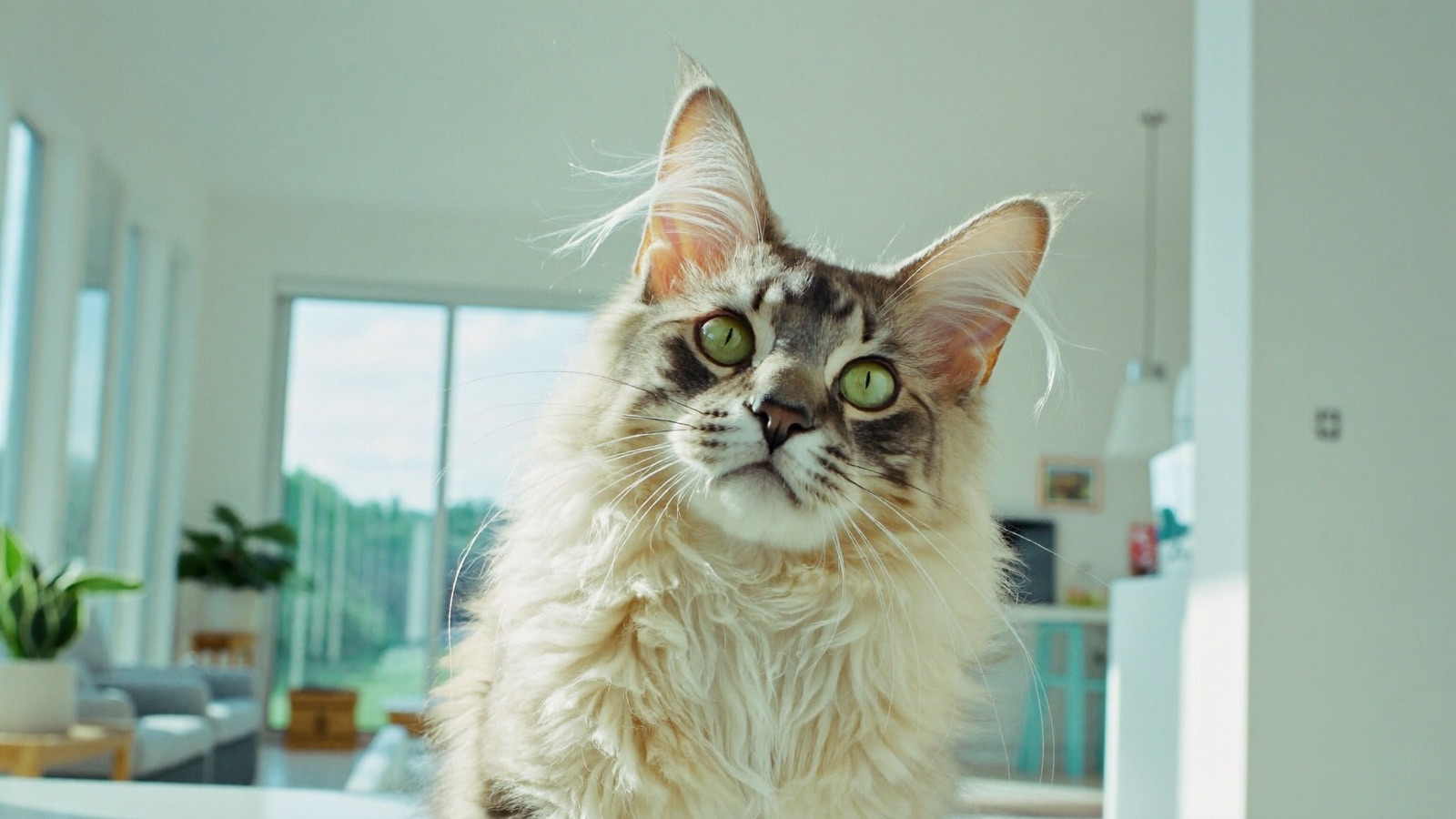
A big cat with breed-specific risks
Maine Coons are one of the largest domestic cat breeds — slow to mature, muscular, and famously gentle. They're robust overall and often live into their teens, but their size stresses the heart and joints, and the breed carries a few well-documented inherited conditions.
Because Maine Coons are so laid-back and good at masking discomfort, subtle changes are easy to miss. Knowing your cat's normal weight, breathing, energy and movement — and watching for drift — is the most useful thing you can do.
Hypertrophic cardiomyopathy (HCM)
HCM is the most important health concern in Maine Coons. This thickening of the heart muscle can be silent for years, then cause sudden trouble — labored or fast breathing, weakness, or hind-leg paralysis from a blood clot are emergencies. Contact your vet immediately.
A specific gene mutation (MYBPC3) is linked to HCM in the breed, and a DNA test exists — reputable breeders screen their cats. Because a negative DNA test doesn't rule out HCM entirely, vets may also recommend periodic heart ultrasound (echocardiogram).
Learn the warning signs and monitoring approach in our HCM in cats guide. Tracking resting breathing rate at home is one of the simplest, most valuable things an owner can do.
Hip dysplasia and joint problems
As a large, heavy breed, Maine Coons have a higher risk of hip dysplasia — a malformed hip joint that leads to arthritis and pain over time. Signs are often subtle in cats:
- Reluctance to jump up or down, or hesitating before jumping
- Stiffness after rest, or a change in how they move
- Reduced activity or grooming less over the hindquarters
Keeping your Maine Coon lean is the single best joint protector, since extra weight multiplies the load on every joint. See our guide on causes of limping in cats if you notice a change in movement.
Spinal muscular atrophy and kidney disease
Two more inherited conditions appear in the breed:
| Condition | What to know |
|---|---|
| Spinal muscular atrophy (SMA) | An inherited loss of spinal nerve cells causing muscle weakness and an unsteady, swaying gait in kittens (usually 3–4 months). It isn't painful and doesn't shorten life much, but affected cats are less agile. A DNA test identifies carriers. |
| Polycystic kidney disease (PKD) | Fluid-filled kidney cysts that can lead to chronic kidney disease over time — see our kidney disease in cats guide. DNA testing and monitoring thirst and weight help catch it. |
Both are reasons to choose kittens from breeders who DNA-test their breeding cats.
Obesity and everyday care
Maine Coons are big by nature, which makes it easy to overlook true weight gain — and obesity worsens their heart, hip and kidney risks all at once. Because they're large, use body condition (feeling the ribs, seeing a slight waist) rather than a number as your guide, and weigh regularly to track trends.
Practical take: the Maine Coon's two biggest risks — HCM and hip disease — are both quiet in their early stages. Regular vet checks plus tracking weight, breathing rate and movement at home give you a real early-warning system.
Their long, thick coat also needs regular brushing to prevent mats and reduce hairballs.
Keeping your Maine Coon healthy
A healthy Maine Coon usually comes down to a few habits: choose a kitten from a breeder who DNA-tests for HCM and SMA, keep your cat lean, brush regularly, and schedule routine vet exams with the heart and joints in mind. Ask about heart screening, and learn to count resting breaths at home.
Because this breed hides discomfort and its key diseases build slowly, owners who keep a simple ongoing record — weight, breathing rate, appetite and mobility — tend to catch problems well before they become emergencies.
Track your Maine Coon's heart and weight over time
Tavi logs your Maine Coon's weight, resting breathing rate, mobility notes and vet results and charts them over time, so quiet issues like heart or joint disease show up as a trend instead of a sudden crisis. Free for your first pet.
Frequently asked questions
What is the most common health problem in Maine Coons?
Hypertrophic cardiomyopathy (HCM), a thickening of the heart muscle, is the most significant. It can be silent for years, so a DNA test for the MYBPC3 mutation plus periodic heart ultrasound are recommended. The breed is also prone to hip dysplasia given its size.
How long do Maine Coons live?
Maine Coons commonly live into their early-to-mid teens with good care. Keeping them lean, choosing a kitten from health-tested parents, and monitoring the heart, hips and kidneys gives them the best chance at a long, comfortable life.
Do Maine Coons have heart problems?
The breed has an above-average risk of HCM, the most common feline heart disease. A specific gene mutation is linked to it and a DNA test exists, though a negative result doesn't fully rule it out, so vets may also advise heart ultrasound. Watch for labored breathing or sudden hind-leg weakness.
Are Maine Coons prone to hip dysplasia?
Yes. As one of the largest cat breeds, Maine Coons carry a higher risk of hip dysplasia, which leads to arthritis over time. Signs include reluctance to jump and stiffness after rest. Keeping your cat lean is the single best way to protect the joints.
How big should a healthy Maine Coon be?
Maine Coons are naturally large, with many males reaching the upper teens in pounds, so judge health by body condition rather than a number alone. You should be able to feel the ribs with a light layer of cover and see a slight waist. Weigh regularly to track trends rather than a single reading.
Tavi's guides are informational and not a substitute for professional veterinary advice, diagnosis or treatment. When in doubt, call your veterinarian.