Persian Cat Health Issues: What to Watch For
Start here
Persians are affectionate, low-key cats, but their flat (brachycephalic) face and genetics bring specific risks: polycystic kidney disease (PKD), breathing difficulty, excessive tearing and eye problems, dental crowding, and heart disease (HCM). Many are manageable with routine care, daily grooming, and early monitoring — especially kidney and heart screening.
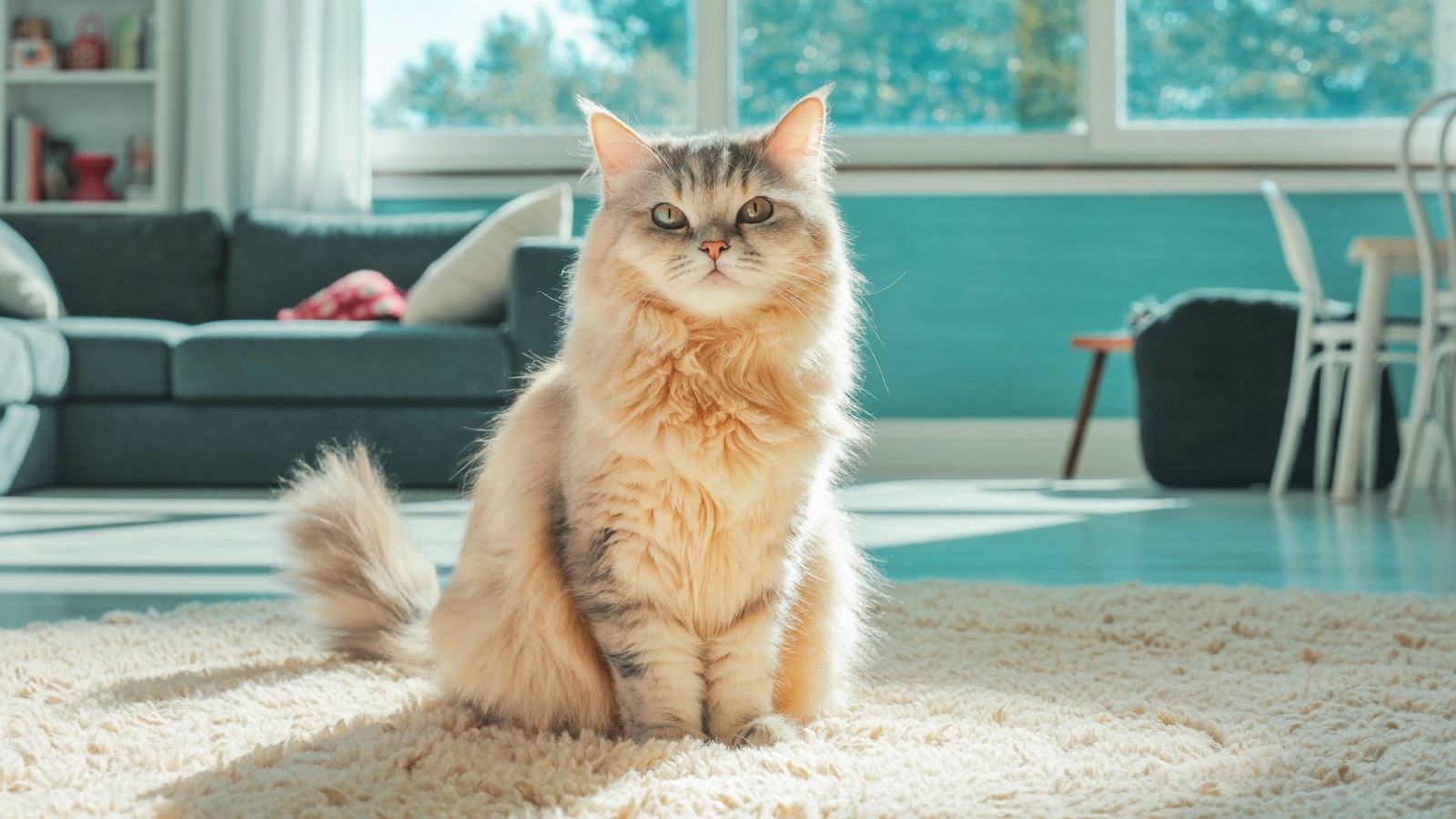
Why Persians need extra attention
The Persian's signature look — a round, flat face, big eyes and a long luxurious coat — is exactly what creates most of its health challenges. A shortened skull crowds the airway, tear ducts and teeth, while the coat demands daily care to prevent painful mats. Persians also carry a well-known inherited kidney disease.
The good news: nearly all of it is easier to manage when you know your cat's baseline — normal weight, thirst, breathing and energy — and watch for drift. Persians are prone to hiding discomfort, so tracking small changes matters more than in many breeds.
Polycystic kidney disease (PKD)
PKD is the best-known inherited disease in Persians. Fluid-filled cysts form in the kidneys and slowly enlarge, gradually reducing kidney function over years, often leading to chronic kidney disease in middle age or later.
- Signs (usually later in life): increased thirst and urination, weight loss, reduced appetite and low energy.
- Detection: a DNA test identifies carriers, and ultrasound can find cysts; responsible breeders screen their cats.
There's no cure, but early diagnosis lets you slow progression with diet, hydration and medication — which is why tracking thirst, weight and litter-box output is so valuable in this breed.
Breathing and eye problems from the flat face
Flat-faced cats can struggle to breathe, especially in heat or stress. Noisy or open-mouth breathing, panting, or blue-tinged gums is an emergency — see our guide on cat panting and heavy breathing and contact your vet immediately.
The same shortened skull affects the eyes and tear ducts:
- Excessive tearing and tear staining — because tears can't drain normally; gentle daily wiping helps prevent skin irritation.
- Entropion (eyelids rolling inward) and eye ulcers, which need veterinary treatment.
- Heat sensitivity — flat-faced, long-coated cats overheat more easily, so keep them cool.
Dental, skin and coat care
A compressed jaw means Persian teeth are often crowded and misaligned, raising the risk of dental disease. Watch for bad breath, drooling or trouble eating, and keep up with dental checks and home care.
The long coat mats easily, and mats pull painfully on the skin and hide problems underneath. Persians also have a higher risk of ringworm (dermatophytosis), a contagious fungal skin infection.
| Care area | What it prevents |
|---|---|
| Daily brushing | Painful mats, hairballs, hidden skin problems |
| Face & eye wiping | Tear-stain skin irritation and infection |
| Dental checks | Gum disease and tooth pain from crowding |
| Coat/skin monitoring | Catching ringworm and skin infections early |
Heart disease and other risks
Persians can develop hypertrophic cardiomyopathy (HCM), a thickening of the heart muscle that is the most common feline heart disease. It can be silent until advanced, so ask your vet about listening for murmurs and, where indicated, screening. Learn the warning signs in our HCM in cats guide.
Other conditions reported more often in the breed include progressive retinal atrophy (gradual vision loss) and bladder stones. As always, weight control matters — extra pounds strain the heart, joints and breathing.
Practical take: two of the Persian's biggest risks — PKD and HCM — are quiet in their early stages. Regular vet checks plus tracking weight, thirst and breathing at home are your best early-warning system.
Keeping your Persian healthy
A thriving Persian usually comes down to consistent routines: daily grooming and face care, a cool environment, dental attention, and regular vet visits with kidney and heart in mind. Choose kittens from breeders who DNA-test for PKD, and start monitoring weight and thirst early so any decline shows up as a trend rather than a surprise.
Because Persians mask illness and their key diseases build slowly, owners who keep a simple ongoing record — weight, appetite, thirst and breathing — tend to catch trouble months before it becomes urgent.
Catch quiet Persian problems before they escalate
Tavi logs your Persian's weight, thirst, breathing notes, grooming and vet results and charts them over time, so slow-building issues like kidney or heart disease surface early instead of at a crisis. Free for your first pet.
Frequently asked questions
What health problems are Persian cats prone to?
The most notable are polycystic kidney disease (PKD), breathing and eye problems from their flat face, dental crowding, and heart disease (HCM). Their long coat also demands daily grooming to prevent painful mats, and the breed has a higher risk of ringworm.
Do all Persian cats get kidney disease?
No, but polycystic kidney disease is common and inherited in the breed. A DNA test identifies carriers and ultrasound can detect cysts, so reputable breeders screen for it. Cats that carry it benefit from early monitoring of thirst, weight and kidney values.
Why do Persian cats have watery, weepy eyes?
Their flat face shortens and distorts the tear ducts, so tears overflow onto the face instead of draining normally. Gentle daily wiping helps prevent tear-stain skin irritation. Sudden redness, squinting or heavy discharge, though, warrants a vet visit for possible ulcers or entropion.
Are Persian cats hard to breathe?
Their shortened skull can restrict the airway, so some Persians breathe noisily and overheat easily, especially in heat or stress. Open-mouth breathing, panting or blue gums is an emergency needing immediate veterinary care. Keeping them cool and at a healthy weight reduces the strain.
How long do Persian cats live?
Persians commonly live into their early-to-mid teens with good care. Daily grooming, dental attention, a cool environment, and regular vet checks focused on kidney and heart health give them the best chance at a long, comfortable life.
Tavi's guides are informational and not a substitute for professional veterinary advice, diagnosis or treatment. When in doubt, call your veterinarian.