Sphynx Cat Health Issues: What to Watch For
Start here
Sphynx cats are affectionate, energetic and famously hairless, and that lack of coat plus their genetics create specific needs: hypertrophic cardiomyopathy (HCM), skin and temperature-regulation problems, dental disease, and a hereditary muscle condition. Most are manageable with regular bathing, warmth, dental care, and heart screening.
Life without a coat
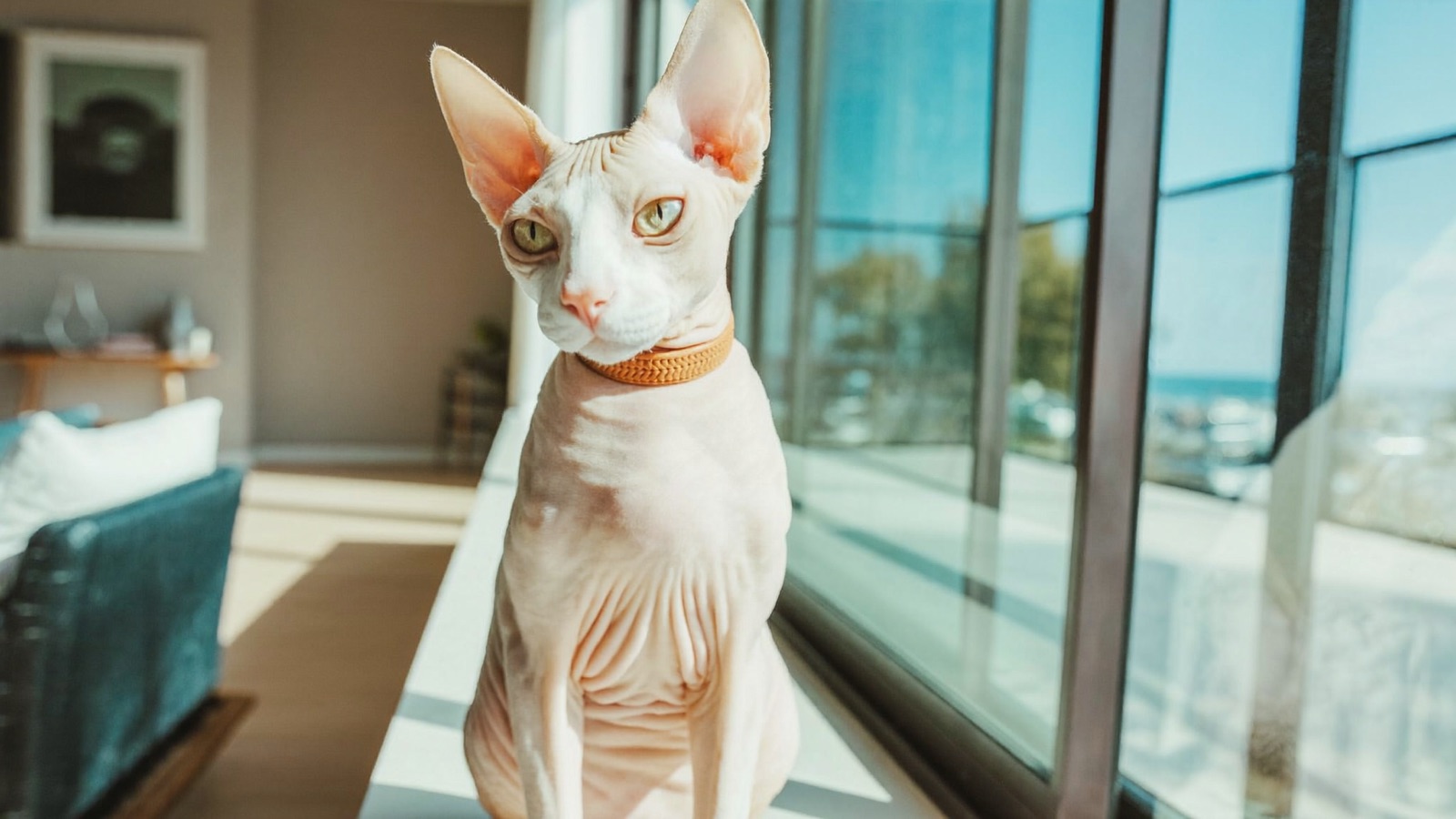
The Sphynx isn't truly hairless — it has a fine peach-fuzz — but the lack of a normal coat changes almost everything about its care. Without fur to absorb skin oils or hold in warmth, Sphynx cats need routine bathing, help staying warm, and sun protection, on top of the breed's inherited health tendencies.
Sphynx are playful, people-focused and run warm and hungry to fuel their metabolism. Knowing your cat's normal weight, skin, breathing and energy makes it much easier to spot problems early — which matters, because their biggest risk is a quiet one.
Hypertrophic cardiomyopathy (HCM)
HCM is the most serious health concern in the Sphynx. This thickening of the heart muscle can be silent for years, then cause sudden trouble — fast or labored breathing, weakness, or sudden hind-leg paralysis from a blood clot are emergencies. Contact your vet immediately.
HCM is common in the breed, and reputable breeders screen breeding cats with heart ultrasound (echocardiogram). Because it can develop with age, periodic screening through life is often recommended. See our HCM in cats guide, and learn to count your cat's resting breathing rate at home — it's one of the best early-warning tools an owner has.
Skin and temperature care
Without a coat to wick away oil, a Sphynx's skin gets greasy and can develop blackheads, yeast and bacterial infections, and waxy ear buildup. Their care routine is more hands-on than most cats':
- Regular bathing to remove oil buildup, plus frequent ear cleaning.
- Warmth — they get cold easily; provide cozy spots, blankets and sweaters as needed.
- Sun protection — bare skin can sunburn; limit direct sun exposure through windows.
- Skin monitoring — some Sphynx develop urticaria pigmentosa (a crusting, itchy skin condition) that needs veterinary treatment.
Their high metabolism also means they eat more than you'd expect for their size — but still keep them lean.
Dental disease and hereditary myopathy
Two more breed concerns round out the list:
| Condition | What to know |
|---|---|
| Dental disease | Sphynx are prone to gingivitis and periodontal disease, sometimes from a young age. Watch for bad breath, drooling, red gums or trouble eating; regular dental care and checkups are important. |
| Hereditary myopathy (CMS) | A congenital myasthenic syndrome causing muscle weakness — signs include a head tremor, tiring easily, or a hunched posture, often in kittens. A DNA test identifies carriers. |
Both are reasons to choose a kitten from a breeder who health-tests, and to keep up with routine vet exams.
Everyday monitoring and other risks
Sphynx are active, curious cats, and keeping them healthy is largely about consistency: bathing and ear care, warmth, dental attention, a good diet, and heart-focused vet visits. Because they're so lean and warm to the touch, subtle weight or energy changes can slip by, so regular weigh-ins help.
Practical take: the Sphynx's biggest risk — HCM — is silent in its early stages, while its skin needs are visible and daily. Pairing hands-on skin care with regular heart screening and home breathing counts covers both ends of the spectrum.
Keeping your Sphynx healthy
A thriving Sphynx usually comes down to a committed care routine plus proactive screening: regular baths and ear cleaning, warmth and sun protection, dental care, a breeder who screens for HCM and hereditary myopathy, and periodic heart checks through life. Learn to count resting breaths and watch skin and weight closely.
Because the breed's most serious disease builds quietly, owners who keep a simple ongoing record — weight, breathing rate, skin notes and appetite — tend to catch trouble well before it becomes urgent, and give the vet a real history.
Keep your Sphynx's heart and skin on the radar
Tavi logs your Sphynx's weight, resting breathing rate, skin and ear notes, and vet results and charts them over time, so a quiet issue like heart disease surfaces as a trend instead of a sudden crisis. Free for your first pet.
Frequently asked questions
What health problems are Sphynx cats prone to?
The most serious is hypertrophic cardiomyopathy (HCM), a common heart disease in the breed. Sphynx also have skin and temperature-regulation needs from their lack of coat, are prone to dental disease, and can carry a hereditary muscle condition. Most are manageable with routine care and heart screening.
Do Sphynx cats need baths?
Yes. Without a coat to absorb skin oils, Sphynx skin gets greasy and can develop blackheads and infections, so regular bathing and ear cleaning are part of normal care. How often depends on the individual cat, but many need it every week or two. Ask your vet for a routine that suits your cat.
Are Sphynx cats always cold?
They get cold more easily than furred cats because they have no coat to hold in warmth and they run a high metabolism. Provide cozy warm spots, blankets, and sweaters if your cat tolerates them, and keep the home comfortably warm. They also sunburn easily, so limit direct sun exposure.
Do Sphynx cats have heart problems?
HCM is common in the breed and can be silent until advanced. Reputable breeders screen with heart ultrasound, and periodic screening through your cat's life is often recommended. Watch for fast or labored breathing or sudden hind-leg weakness, and seek emergency care if they occur.
How long do Sphynx cats live?
Sphynx commonly live into their early-to-mid teens with good care. A committed skin and dental routine, warmth, a breeder who screens for HCM and hereditary myopathy, and regular heart-focused vet checks give them the best chance at a long, comfortable life.
Tavi's guides are informational and not a substitute for professional veterinary advice, diagnosis or treatment. When in doubt, call your veterinarian.