Siamese Cat Health Issues: What to Watch For
Start here
Siamese are vocal, people-oriented cats that are generally long-lived, but the breed has some specific tendencies: respiratory issues and asthma, dental disease, liver amyloidosis, eye conditions, and a higher risk of certain cancers. Some are also prone to stress-related behaviors. Most are manageable with early attention and consistent monitoring.
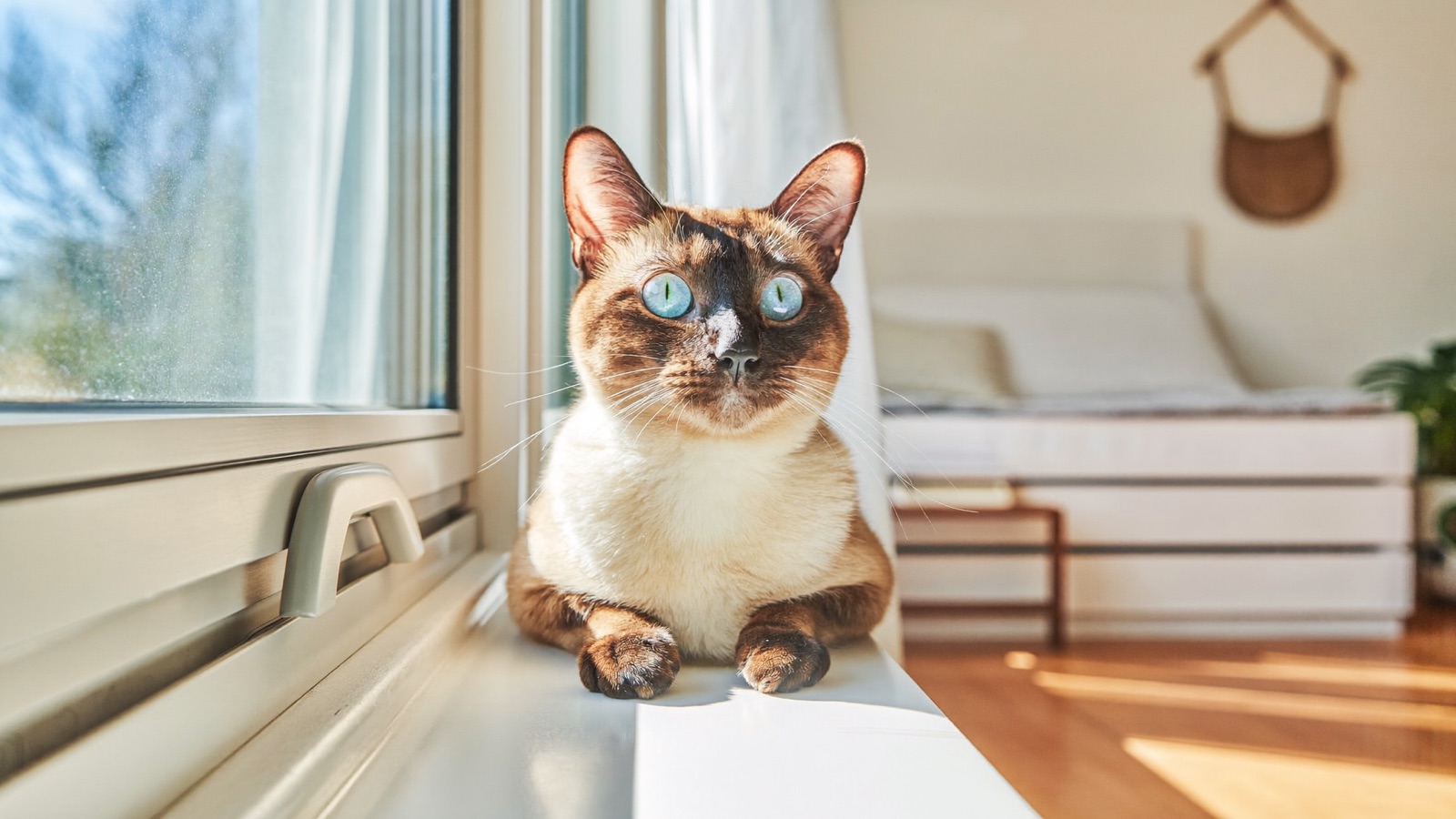
The Siamese constitution
Siamese cats are slender, athletic and famously talkative, and they often live well into their teens. They're a foundational breed behind many others, and along with their striking looks they carry a handful of inherited and breed-linked health tendencies worth knowing.
Siamese are sensitive, intelligent and closely bonded to their people — which means stress and boredom can show up as physical symptoms. Knowing your cat's normal weight, appetite, breathing and behavior makes it far easier to spot when something's drifting.
Respiratory issues and asthma
Siamese are predisposed to feline asthma and bronchial disease. Persistent coughing, wheezing, or open-mouth/labored breathing can signal an asthma flare — labored breathing is an emergency. Contact your vet right away.
Asthma causes the airways to narrow and become inflamed, often triggered by dust, smoke, aerosols or allergens. Signs include a hunched, coughing posture (sometimes mistaken for hairballs), wheezing and exercise intolerance. Our feline asthma guide covers triggers, treatment and home monitoring.
As kittens, some Siamese are also more prone to upper respiratory infections — see upper respiratory infection in cats.
Dental disease and amyloidosis
Two internal-medicine concerns appear more often in the breed:
| Condition | What to watch for |
|---|---|
| Dental disease | Siamese are prone to gingivitis and periodontal disease. Watch for bad breath, drooling, pawing at the mouth or trouble eating; regular dental care and checks help a lot. |
| Amyloidosis | An inherited condition where a protein (amyloid) builds up in organs — often the liver in Siamese-family cats — potentially causing liver dysfunction. Signs include appetite loss, weight loss, lethargy or jaundice. |
Both benefit from routine bloodwork and tracking appetite and weight over time, since early changes are subtle.
Eye and neurological quirks
The genetics behind the Siamese's blue eyes and color points come with some eye-related traits:
- Crossed eyes (strabismus) and nystagmus — historically common; usually cosmetic and not painful.
- Progressive retinal atrophy (PRA) — a gradual, inherited loss of vision to watch for as cats age.
- Reduced night vision and depth perception in some cats, linked to the same pigment genetics.
Sudden squinting, redness or cloudiness is different — that warrants a prompt vet visit rather than being chalked up to breed traits.
Cancer, behavior and other risks
Siamese have an above-average risk of certain cancers, including mediastinal lymphoma (in the chest) in younger cats and mammary tumors — spaying early greatly reduces mammary cancer risk. See our lymphoma in cats guide.
Because they're so sensitive, some Siamese develop stress-related behaviors such as psychogenic alopecia (over-grooming to bald patches) or pica (eating non-food items like wool). These often improve with more enrichment, routine and companionship.
Practical take: several Siamese risks — asthma, amyloidosis and lymphoma — first show up as vague changes in breathing, appetite, weight or energy. A simple ongoing record turns "something seems off" into a clear trend your vet can act on.
Keeping your Siamese healthy
Siamese thrive on routine, company and mental stimulation, and their health care follows suit: regular vet exams with bloodwork, dental attention, a low-irritant home (minimal smoke, dust and aerosols) for their airways, and plenty of enrichment to head off stress behaviors. Spaying and neutering at the age your vet recommends reduces cancer risk.
Because this breed's key illnesses build quietly and Siamese are prone to stress-driven symptoms, owners who track weight, appetite, breathing and behavior over time catch problems earlier and give the vet a real history.
Spot the drift in your Siamese early
Tavi logs your Siamese cat's weight, appetite, breathing notes, grooming and vet results and charts them over time, so quiet issues like asthma, liver disease or weight loss surface as a trend instead of a surprise. Free for your first pet.
Frequently asked questions
What health problems are Siamese cats prone to?
The breed is predisposed to respiratory issues and asthma, dental disease, liver amyloidosis, eye conditions like progressive retinal atrophy, and certain cancers including mediastinal lymphoma. Their sensitive nature also makes stress-related behaviors like over-grooming more common.
How long do Siamese cats live?
Siamese are a long-lived breed, often reaching their mid-to-late teens and sometimes beyond with good care. Regular vet checks, dental care, a low-irritant home for their airways, and plenty of enrichment give them the best chance at a long, healthy life.
Are Siamese cats prone to asthma?
Yes, Siamese are among the breeds predisposed to feline asthma and bronchial disease. Watch for coughing, wheezing or a hunched coughing posture, and treat any labored, open-mouth breathing as an emergency. Reducing dust, smoke and aerosols in the home helps limit flare-ups.
Why does my Siamese cat overgroom or eat strange things?
Siamese are highly sensitive and can develop stress-related behaviors, including psychogenic alopecia (over-grooming to bald spots) and pica (eating non-food items like wool). These often improve with more enrichment, routine and companionship, but a vet should first rule out medical causes.
Do Siamese cats have eye problems?
Some Siamese have crossed eyes (strabismus) or nystagmus tied to their pigment genetics, which are usually cosmetic and painless. The breed can also develop progressive retinal atrophy, a gradual inherited vision loss. Sudden squinting, redness or cloudiness, however, needs prompt veterinary care.
Tavi's guides are informational and not a substitute for professional veterinary advice, diagnosis or treatment. When in doubt, call your veterinarian.