Bengal Cat Health Issues: What to Watch For
Start here
Bengals are active, athletic, intelligent cats that are generally healthy, but the breed carries a few inherited risks: hypertrophic cardiomyopathy (HCM), progressive retinal atrophy (PRA-b), pyruvate kinase deficiency (an anemia), and patellar luxation. Several have DNA tests, so choosing a health-screened kitten and monitoring closely goes a long way.
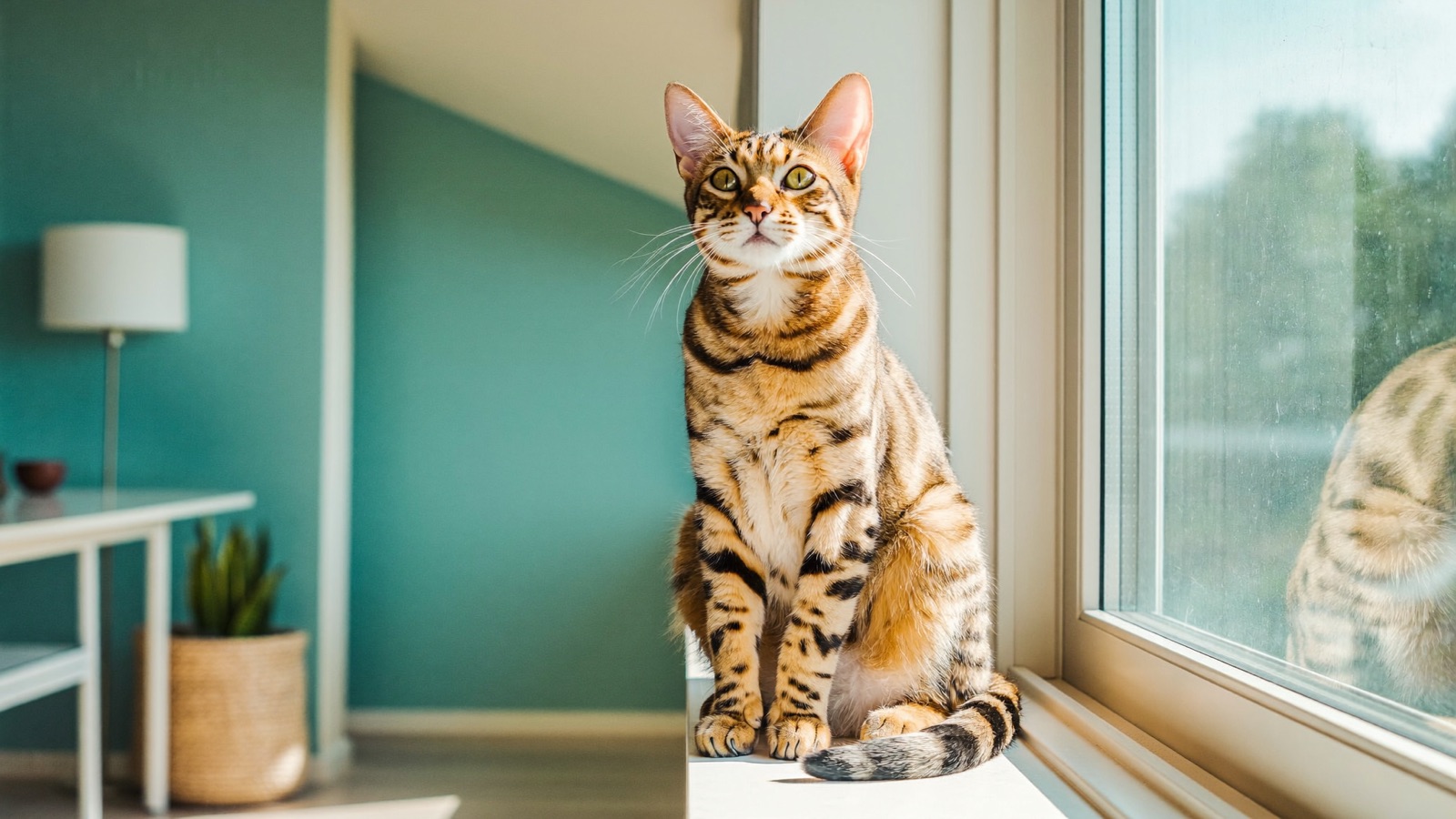
The Bengal's high-energy build
Bengals are muscular, wild-looking cats descended from crosses with the Asian leopard cat, and they're famously energetic and curious. They're robust overall and often live well into their teens, but the breed has a handful of well-documented inherited conditions — several with DNA tests available.
Because Bengals are so active and driven, subtle declines in energy, appetite or movement can be easy to spot if you know your cat's normal — and easy to miss if you don't. A baseline for weight, breathing, energy and vision changes is your best tool.
Hypertrophic cardiomyopathy (HCM)
HCM is the most serious health concern in Bengals. This thickening of the heart muscle can be silent for years, then cause sudden trouble — fast or labored breathing, weakness, or sudden hind-leg paralysis from a blood clot are emergencies. Contact your vet immediately.
HCM is seen across many cat breeds, including Bengals, and reputable breeders screen breeding cats with heart ultrasound (echocardiogram). Because it can develop with age, periodic screening is often recommended. See our HCM in cats guide, and learn to count your cat's resting breathing rate at home — one of the simplest, most valuable monitoring habits.
Inherited eye and blood disorders
Two inherited conditions in the breed have reliable DNA tests, which is why screening parents matters:
| Condition | What to know |
|---|---|
| Progressive retinal atrophy (PRA-b) | An inherited, gradual degeneration of the retina leading to vision loss and eventual blindness. It isn't painful, and a DNA test identifies affected and carrier cats. Cats adapt remarkably well to slow vision loss. |
| Pyruvate kinase deficiency (PK deficiency) | An inherited enzyme defect that causes anemia, with signs like lethargy, weakness, pale gums and poor appetite that may come and go. A DNA test is available, and severity varies widely. |
Pale gums, unusual tiredness or bumping into things all warrant a vet visit.
Joints, digestion and other risks
A few more conditions round out the Bengal watch-list:
- Patellar luxation — a kneecap that slips out of place, causing an intermittent skipping or hopping hind-leg gait; ranges from mild to needing surgery.
- Flat-chested kitten syndrome — a chest deformity seen in some newborn kittens; many mild cases improve with growth.
- Digestive sensitivity — some Bengals are prone to loose stools or chronic diarrhea, sometimes from infections or food intolerance; persistent diarrhea deserves a workup.
Practical take: most Bengal risks are inherited, so the biggest lever is choosing a kitten from a breeder who DNA-tests for HCM, PRA-b and PK deficiency — then monitoring energy, weight, vision and movement over time.
Keeping your Bengal healthy
Bengals need plenty of exercise, climbing space and mental stimulation to stay well — a bored Bengal is an unhappy one. On the health side: choose a kitten from a breeder who health-tests, keep your cat lean and active, provide dental care, and schedule routine vet exams with the heart in mind. Ask about heart screening and learn to count resting breaths.
Because the breed's most serious disease is quiet in its early stages, owners who keep a simple ongoing record — weight, breathing rate, energy, vision and stool notes — tend to catch problems earlier and give the vet a real history to work from.
Track your active Bengal's baseline over time
Tavi logs your Bengal's weight, resting breathing rate, energy and vet results and charts them over time, so a quiet issue like heart disease or anemia surfaces as a trend instead of a sudden crisis. Free for your first pet.
Frequently asked questions
What health problems are Bengal cats prone to?
The main inherited risks are hypertrophic cardiomyopathy (HCM), progressive retinal atrophy (PRA-b), pyruvate kinase deficiency (an anemia), and patellar luxation. Several have DNA tests, so choosing a kitten from a breeder who screens the parents greatly reduces the odds of these conditions.
How long do Bengal cats live?
Bengals commonly live into their early-to-mid teens, and often longer, with good care. Choosing a kitten from health-tested parents, keeping your cat lean and active, providing dental care, and regular heart-focused vet checks give them the best chance at a long, healthy life.
Do Bengal cats have heart problems?
HCM, the most common feline heart disease, is a concern in Bengals as in many breeds. It can be silent until advanced, so reputable breeders screen with heart ultrasound and periodic screening is often recommended. Watch for fast or labored breathing and sudden hind-leg weakness, and seek emergency care if they occur.
Can Bengal cats go blind?
Some Bengals inherit progressive retinal atrophy (PRA-b), a gradual degeneration of the retina that can lead to blindness. It isn't painful, and a DNA test identifies affected cats. Cats adapt well to slow vision loss, but any signs of vision trouble should be checked by a vet.
Why does my Bengal cat have chronic diarrhea?
Some Bengals have sensitive digestion and are prone to loose stools, which can stem from infections, parasites or food intolerance. Persistent or recurring diarrhea deserves a veterinary workup rather than waiting it out, since chronic cases can affect weight and nutrient absorption.
Tavi's guides are informational and not a substitute for professional veterinary advice, diagnosis or treatment. When in doubt, call your veterinarian.