Kidney Disease in Cats: Signs, Stages & Care
Start here
Chronic kidney disease (CKD) is one of the most common conditions in older cats — the kidneys gradually lose their ability to filter waste and concentrate urine. The earliest signs are subtle: drinking more, urinating more, and slow weight loss. It can't be cured, but caught early and managed with diet, hydration and medication, many cats live comfortably for years.
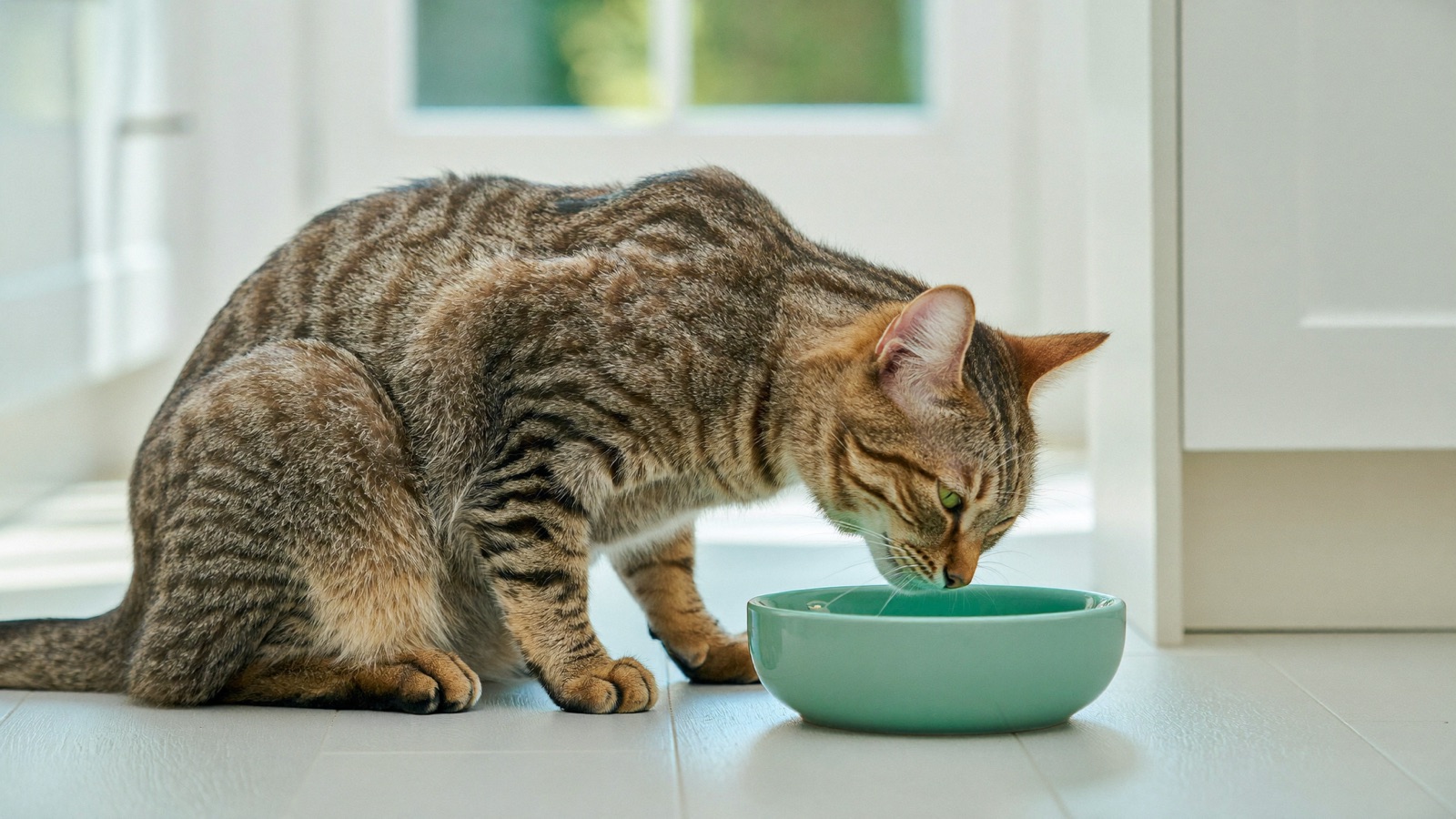
What kidney disease actually is
Your cat's kidneys filter waste from the blood, balance fluids and minerals, and concentrate urine. In chronic kidney disease the working filtration units (nephrons) are lost over time and don't regenerate. Because cats have a large kidney reserve, signs often don't appear until roughly two-thirds of function is already gone — which is exactly why the early clues are worth knowing.
There are two forms. Chronic kidney disease (CKD) develops slowly over months to years and is most common in senior cats. Acute kidney injury (AKI) comes on suddenly — often from a toxin such as lily ingestion or antifreeze, a urinary blockage, or severe dehydration — and is an emergency.
Early signs to watch for
CKD is quiet at first. The two most reliable early flags are a change in thirst and litter-box output:
- Increased thirst (polydipsia) — emptying the water bowl, drinking from taps or unusual places.
- Increased urination (polyuria) — heavier or more frequent clumps in the litter box.
- Gradual weight loss and a thinning body, even with a normal appetite at first.
- Reduced appetite, occasional vomiting, and low energy as it progresses.
- A dull coat, bad breath (a chemical or ammonia smell), and mouth ulcers in later stages.
Because these creep in slowly, they're easy to miss day to day. Knowing your cat's normal thirst and weight is what lets you notice the drift.
How it's diagnosed and staged
Your vet confirms CKD with bloodwork and a urine test, then stages it using the international IRIS system, which guides treatment:
| Test | What it shows |
|---|---|
| Creatinine & BUN | Waste products that rise as filtration falls. |
| SDMA | A newer marker that can flag kidney loss earlier than creatinine. |
| Urine specific gravity | How well the kidneys concentrate urine — often the first thing to change. |
| Urine protein (UPC) & blood pressure | Protein loss and hypertension both speed damage and are treatable. |
Staging (IRIS 1–4) plus blood pressure and urine protein sub-staging tell your vet how advanced the disease is and what to treat first.
Treatment and management
CKD can't be reversed, but the goal — slowing progression and keeping your cat comfortable — is very achievable:
- Therapeutic kidney diet: the single most evidence-backed step. These diets are lower in phosphorus and modified protein, and are shown to extend both quality and length of life.
- Hydration: water fountains, wet food, and (in later stages) subcutaneous fluids at home help fight the constant dehydration.
- Phosphate binders, blood-pressure and anti-protein medication as your vet directs.
- Appetite and anti-nausea support to keep weight on.
- Regular rechecks — bloodwork, urine and blood pressure — to adjust the plan as the disease shifts.
Why tracking makes the difference
CKD is a numbers game played over months: weight, appetite, thirst, and lab values that only mean something as a trend. A single creatinine reading is a snapshot; three readings over six months tell the real story. Owners who write down weight and appetite catch a downturn weeks before it becomes a crisis — and walk into each recheck with a history the vet can actually use.
Turn your cat's lab results into a clear trend
Tavi keeps your cat's weight, appetite notes, medications and vet-visit results in one place and charts them over time — so a slow kidney decline shows up early, not at the next crisis. Free for your first pet.
Frequently asked questions
What are the first signs of kidney disease in cats?
The earliest and most reliable signs are drinking more water and urinating more (bigger or more frequent litter clumps), along with gradual weight loss. Reduced appetite, occasional vomiting and low energy tend to follow as it progresses.
How long can a cat live with kidney disease?
It depends heavily on the stage at diagnosis. Cats caught early and managed with a therapeutic kidney diet and good hydration can live comfortably for several years; those diagnosed in late stages have a shorter outlook. Regular monitoring and diet make the biggest difference.
Is kidney disease in cats painful?
CKD itself isn't usually painful, but complications like mouth ulcers, nausea, dehydration and high blood pressure cause real discomfort. Managing those is a core part of keeping a cat with kidney disease feeling well.
What foods should cats with kidney disease avoid?
Avoid high-phosphorus foods and standard high-protein diets not designed for kidney support. Your vet will usually prescribe a therapeutic kidney diet that is lower in phosphorus with modified protein — it's the most proven way to slow the disease. Don't change diet without veterinary guidance.
Can kidney disease in cats be cured?
Chronic kidney disease can't be cured or reversed, because lost nephrons don't regenerate. But it can be managed — often for years — to slow progression and keep your cat comfortable. Acute kidney injury caught very early can sometimes be reversed with emergency treatment.
Tavi's guides are informational and not a substitute for professional veterinary advice, diagnosis or treatment. When in doubt, call your veterinarian.
Sources
- Cornell University Feline Health Center
- International Renal Interest Society (IRIS)
- VCA Animal Hospitals
- Merck Veterinary Manual