Diabetes in Cats: Signs, Treatment & Diet
Start here
Diabetes mellitus is a common condition in cats where the body can't properly use insulin to move sugar out of the blood, so glucose builds up. The classic early signs are drinking more, urinating more, weight loss, and increased appetite. With insulin, a low-carbohydrate diet and consistent monitoring, many cats do very well — and some, caught early, even go into remission and no longer need insulin.
Emergency signs — don't wait
Call your vet or an emergency clinic right away if a diabetic (or newly sick) cat shows: repeated vomiting, refusal to eat, extreme weakness or collapse, rapid or labored breathing, a sweet or acetone breath smell, or unresponsiveness. These can signal diabetic ketoacidosis or dangerously low blood sugar (hypoglycemia) — both are life-threatening.
If your cat has had insulin and then acts wobbly, disoriented, or has a seizure, that may be low blood sugar. If you can do so safely, rub a little honey or corn syrup on the gums and get to a vet immediately.
What diabetes is in cats
Insulin is the hormone that lets cells absorb glucose (sugar) from the blood for energy. In diabetes, either the pancreas doesn't make enough insulin or the body's cells stop responding to it well. Sugar can't get into the cells, so it piles up in the blood and spills into the urine, dragging water with it — which is why diabetic cats drink and pee so much.
Most cats have a form similar to type 2 diabetes in people, strongly linked to obesity. That link is also good news: weight and diet are things you can influence.
Signs to watch for
The four classic signs tend to appear together:
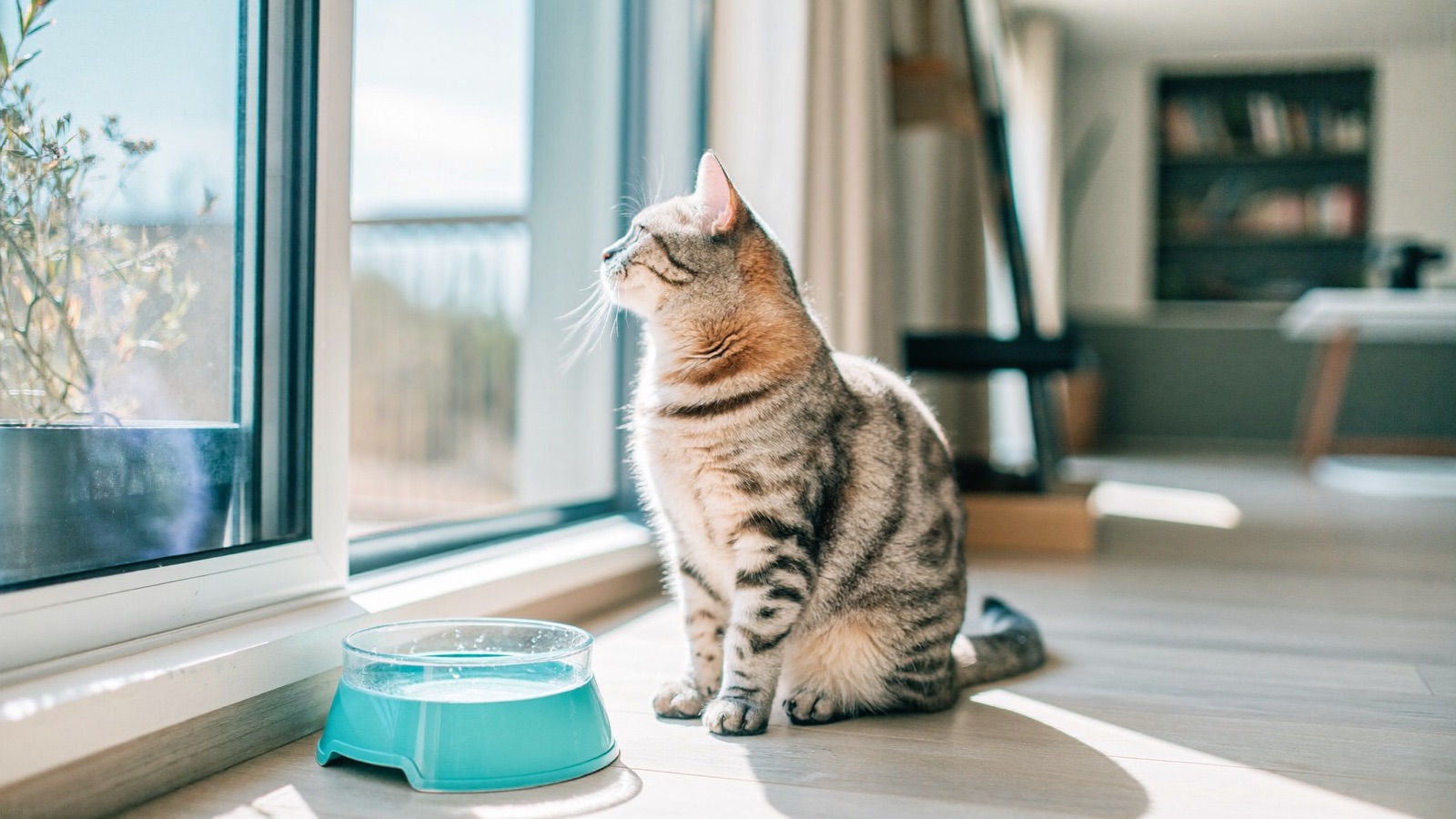
- Increased thirst — emptying the water bowl, seeking out other water sources.
- Increased urination — larger or more frequent litter clumps.
- Weight loss, often despite a strong appetite.
- Increased hunger, at least early on.
Later signs include lethargy, a poor coat, and a distinctive plantigrade stance — walking with the hocks dropped closer to the floor — from diabetic nerve damage. Because the early signs overlap with kidney and thyroid disease, bloodwork is essential to sort them out.
How it's diagnosed and treated
Your vet diagnoses diabetes with blood glucose testing and a urine test, often adding a fructosamine test that reflects average blood sugar over the past couple of weeks (cats spike glucose from stress, so a single reading can mislead). Treatment usually combines:
- Insulin injections, typically twice daily under the skin — most owners are surprised how quickly they and their cat adjust.
- A low-carbohydrate diet, often a therapeutic canned food, which is central to control and to the chance of remission.
- Weight management for overweight cats, done gradually and safely.
- Blood-glucose monitoring, at the clinic and increasingly at home.
Never adjust an insulin dose on your own — too much is more dangerous than too little. Your vet sets and changes the dose based on monitoring.
Remission and the role of diet
Cats are somewhat unique in that early, well-controlled diabetes can go into remission — the cat maintains normal blood sugar without insulin. The best odds come from starting a low-carb diet and tight glucose control soon after diagnosis. Remission isn't guaranteed and can be temporary, so monitoring continues even after insulin stops.
Practical take: The combination of a low-carbohydrate diet, weight control and prompt treatment gives your cat the best chance at remission — which is one more reason not to "wait and see" on those early thirst and weight changes.
Why tracking makes the difference
Diabetes is managed day by day. Consistent records of appetite, water intake, urine clump size, weight, insulin given and any home glucose readings turn scattered observations into a picture your vet can dose from. A cat that suddenly drinks more, or one whose weight starts climbing or dropping, is signaling that the plan needs adjusting. Owners who track also catch the warning drift toward a hypoglycemic or ketoacidosis crisis earlier — when it's a phone call, not an emergency.
Keep your cat's diabetes log in one place
Tavi logs your cat's weight, water intake, appetite, insulin doses and glucose readings and charts them over time — so you and your vet can see at a glance whether control is holding or slipping. Free for your first pet.
Frequently asked questions
What are the first signs of diabetes in cats?
The classic early signs are drinking more water, urinating more, losing weight, and often eating more than usual. They tend to appear together and develop over weeks. Because they overlap with kidney and thyroid disease, a vet visit and bloodwork are needed to confirm diabetes.
Can diabetes in cats be cured or reversed?
Cats can go into remission, meaning they maintain normal blood sugar without insulin — especially when a low-carbohydrate diet and tight glucose control start early. Remission isn't guaranteed and can be temporary, so ongoing monitoring is still important. Prompt treatment gives the best chance.
How much does it cost to treat a diabetic cat, and is it hard?
Most owners find twice-daily insulin injections far easier than they expected, since the needles are tiny and cats tolerate them well. Costs include insulin, syringes, prescription diet and periodic bloodwork. Your vet can help you budget and choose a sustainable plan.
What should I feed a diabetic cat?
A low-carbohydrate diet, often a therapeutic canned food, is central to managing feline diabetes and improving the chance of remission. Feeding on a consistent schedule around insulin doses helps keep blood sugar stable. Always make diet changes under veterinary guidance.
What is a diabetic emergency in cats?
Two emergencies matter most: diabetic ketoacidosis (vomiting, not eating, weakness, fast breathing, sweet-smelling breath) and hypoglycemia from too much insulin (wobbliness, disorientation, seizures). Both are life-threatening and need a vet immediately. For suspected low blood sugar, rub honey on the gums on the way to the clinic.
Tavi's guides are informational and not a substitute for professional veterinary advice, diagnosis or treatment. When in doubt, call your veterinarian.