FeLV Vaccine for Cats: Who Needs It & When
Start here
The FeLV (feline leukemia virus) vaccine protects cats against a serious, contagious virus that spreads through close contact with infected cats. Leading guidelines recommend it as a core vaccine for all kittens, then continuing it for adult cats that go outdoors or live with FeLV-positive or free-roaming cats. Your vet will test for FeLV before vaccinating and tailor the ongoing schedule to your cat's real exposure risk.
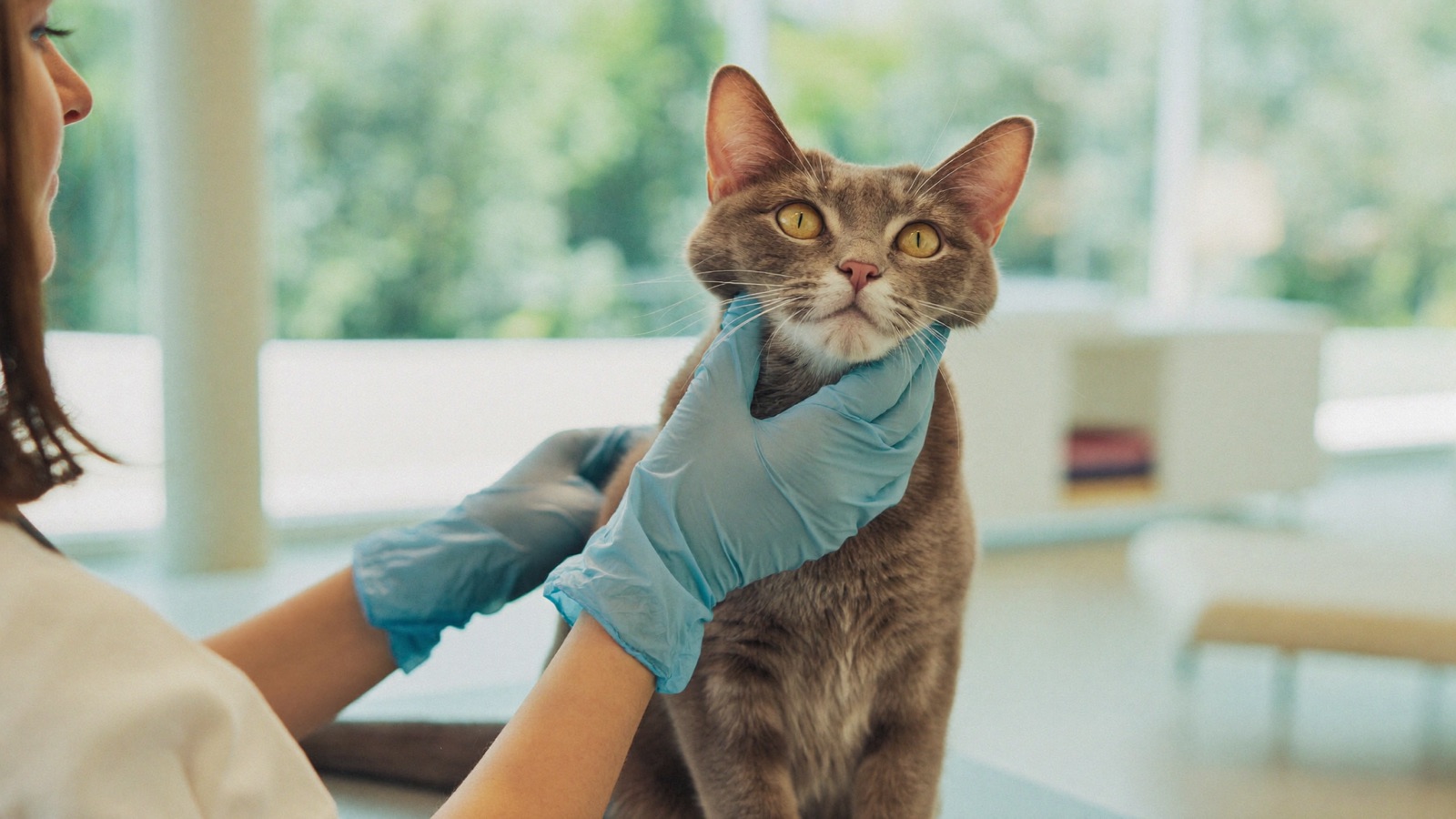
What FeLV is and why the vaccine matters
Feline leukemia virus (FeLV) is one of the most important infectious diseases in cats. It weakens the immune system and is linked to anemia, persistent infections, and cancers such as lymphoma. Infected cats can carry it for life, and it's a leading infectious cause of death in cats that spend time outdoors.
The virus spreads mainly through friendly, prolonged contact — mutual grooming, sharing food and water bowls, and bite wounds — as well as from an infected mother to her kittens. Kittens and young cats are far more susceptible than mature adults, which is a key reason vaccination starts early. You can read more about the disease itself in our guide to feline leukemia (FeLV).
Which cats should be vaccinated
Guidelines from the American Association of Feline Practitioners (AAFP) treat FeLV vaccination as risk-based, with one firm rule:
- All kittens should be vaccinated, because their lifestyle and exposure can change and young cats are the most vulnerable.
- Adult cats with outdoor access, or who live with cats that go outside, should stay up to date.
- Cats in multi-cat homes with an FeLV-positive resident, catteries, shelters, or foster situations are higher-risk and benefit from vaccination.
- Strictly indoor, single cats with no exposure may not need ongoing boosters after kittenhood — a conversation to have with your vet.
Practical take: Vaccination doesn't replace testing. Cats should be tested for FeLV before their first dose, and the vaccine is most protective when a cat is confirmed negative first.
The vaccine schedule
Exact timing varies by product and by your vet's protocol, but the general framework looks like this:
| Stage | Typical timing |
|---|---|
| First kitten dose | Around 8-9 weeks of age (after a negative FeLV test) |
| Second dose | 3-4 weeks later, completing the initial series |
| First booster | About one year after the kitten series |
| Ongoing boosters | Every 1-3 years for at-risk cats, based on product and exposure |
Because kittens can't complete the series before they may be exposed, keeping young cats indoors until fully vaccinated is a sensible precaution.
Is the FeLV vaccine safe?
FeLV vaccines are considered safe and effective, and modern non-adjuvanted and recombinant options are widely used. Like any vaccine, mild, short-lived reactions can occur — a day of tiredness, mild soreness at the injection site, or a low-grade fever. These typically pass within a day or two.
Serious reactions are uncommon. As with all feline vaccines, a rare risk of an injection-site tumor exists, which is why vets follow standardized guidelines on where and how vaccines are given and monitor injection sites over time. If you notice a lump at the site that is growing, persists beyond a few weeks, or is larger than a pea, have it checked. Our guide to vaccine side effects covers what a normal reaction looks like versus one that needs a call.
Vaccination plus prevention
The vaccine is one layer of protection, not the whole plan. The most reliable way to keep a cat FeLV-free is to limit exposure to infected and free-roaming cats:
- Test new cats before introducing them to your household.
- Keep FeLV-positive cats separate from negative cats.
- Consider keeping vulnerable cats indoors — see indoor vs. outdoor cats.
Keeping a simple record of vaccine dates, test results and your cat's lifestyle makes each annual visit easier and helps your vet decide whether ongoing boosters still make sense. Logging weight and energy over time also helps flag the subtle early changes that FeLV and other illnesses can cause.
Never lose track of a vaccine due date again
Tavi stores your cat's vaccine records, test results and vet visits in one place and reminds you when a FeLV booster is coming up, so protection never lapses by accident. Free for your first pet.
Frequently asked questions
Is the FeLV vaccine really necessary for indoor cats?
All kittens should be vaccinated because their exposure can change early in life. For a strictly indoor adult cat with no contact with other cats, ongoing boosters may not be necessary. Discuss your cat's actual lifestyle and risk with your vet, who can tailor the plan.
Does my cat need an FeLV test before the vaccine?
Yes. Cats should be tested and confirmed FeLV-negative before their first vaccination. Vaccinating a cat that is already infected won't help, and knowing the status protects other cats in the home.
How often does the FeLV vaccine need boosting?
After the kitten series and a booster at about one year, at-risk cats are typically boosted every one to three years depending on the product used and their exposure level. Your vet sets the interval based on lifestyle.
Can the FeLV vaccine give my cat feline leukemia?
No. FeLV vaccines cannot cause the disease. Some cats have mild, brief reactions like tiredness or soreness, but the vaccine does not infect them with the virus.
What are the side effects of the FeLV vaccine?
Most cats have no reaction or only mild, short-lived tiredness, mild fever, or soreness at the injection site for a day or two. Serious reactions are uncommon. Watch the injection site and have any persistent or growing lump checked by your vet.
Tavi's guides are informational and not a substitute for professional veterinary advice, diagnosis or treatment. When in doubt, call your veterinarian.
Sources
- American Association of Feline Practitioners (AAFP) Feline Vaccination Guidelines
- Cornell University Feline Health Center
- American Animal Hospital Association (AAHA)
- Merck Veterinary Manual
- VCA Animal Hospitals