Do Indoor Cats Need Vaccines?
Start here
Yes. Vets recommend core vaccines for indoor cats too — rabies is often legally required, and FVRCP still matters because the viruses can arrive on your clothes or through a window and cats do escape. Optional shots like FeLV depend on your cat's real exposure. Indoor life lowers risk, it doesn't erase it.
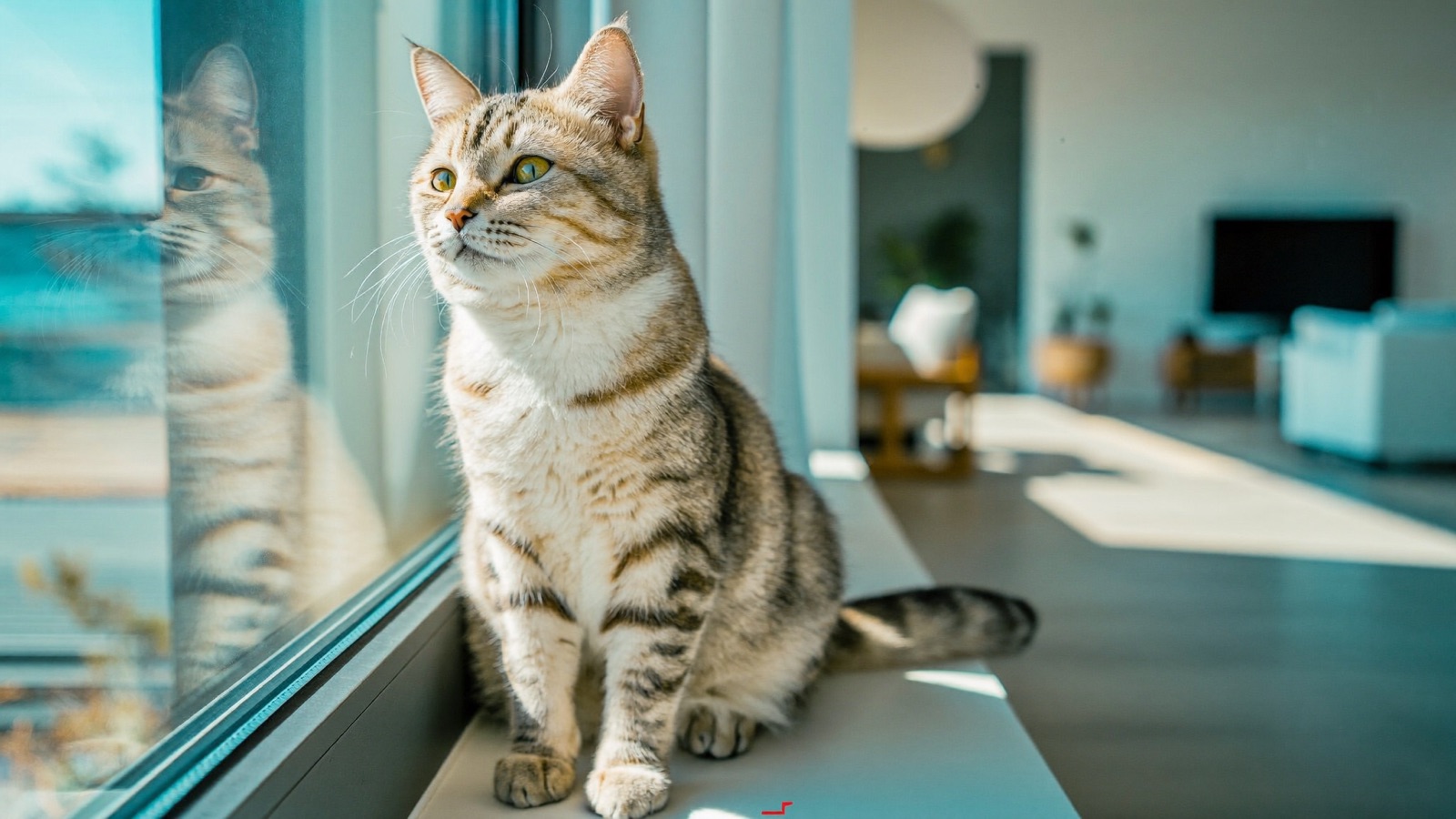
It's a fair question: if your cat never sets a paw outside, why vaccinate? The short answer is that "indoor" reduces risk but doesn't seal your cat off from the world — and for some diseases, the law and the stakes settle the matter for you. Here's the honest breakdown.
Why indoor cats aren't fully protected by staying in
- Viruses come to them. The FVRCP viruses — especially panleukopenia — are tough and can survive in the environment for months. You can carry them home on shoes, clothing or hands. Herpesvirus and calicivirus can also spread through the air and shared items.
- Cats escape. A bolt through an open door, a torn screen, a carrier that pops open at the vet or during a move — even the most committed indoor cat can end up outside unexpectedly.
- Rabies can get indoors. Bats are a leading rabies carrier in many regions and regularly find their way into homes, where a curious cat may catch one.
- Life changes. A new foster cat, a move, a boarding stay, or a future decision to allow supervised outdoor time can all raise exposure. Immunity is easier to keep up than to start from scratch.
Rabies: often not optional
In many US states and counties, rabies vaccination is required by law for cats, indoor or not — though the specifics vary from place to place, and a few jurisdictions don't mandate it for cats. Beyond the law, rabies is essentially always fatal and is a human health risk, which is why public-health guidance and most vets treat it as core for every cat. Check your local ordinance, or simply ask your clinic what your area requires.
Core vs. optional vaccines for an indoor cat
The modern approach is risk-based rather than all-or-nothing. Core vaccines are for essentially every cat; non-core (optional) vaccines are matched to lifestyle.
| Vaccine | Category | For a typical indoor cat |
|---|---|---|
| FVRCP (herpesvirus, calicivirus, panleukopenia) | Core | Recommended. Viruses are widespread, hardy and can reach indoor cats; panleukopenia is often fatal. |
| Rabies | Core | Recommended, and often legally required regardless of indoor status. |
| FeLV (feline leukemia) | Non-core for adults (core for kittens) | Usually optional for a strictly indoor adult with no cat contact; recommended if your cat goes out or lives with an FeLV-positive cat. |
| Others (e.g. Bordetella, Chlamydia felis) | Non-core | Only in specific situations — shelters, catteries, or diagnosed local outbreaks. Ask your vet. |
What most vets advise
In practice, a typical recommendation for a healthy indoor cat is: complete the kitten series, booster at one year, then FVRCP every three years and rabies every one to three years per the product and local law — while leaving FeLV and other non-core vaccines off unless something changes. Just as important is the annual wellness exam, which happens whether or not a vaccine is due. Cats are experts at hiding illness, and that once-a-year hands-on check often catches problems long before you'd notice them at home.
Keep your indoor cat's records in one place
Store vaccine dates, get a reminder before the next booster, and have proof handy for boarding or a vet visit. Tavi keeps it all together — free for your first pet.
Frequently asked questions
Do indoor cats need shots?
Yes. Vets recommend core vaccines — FVRCP and, in most places, rabies — for indoor cats. The viruses can reach your cat on clothing or through a window, cats escape more often than owners expect, and rabies is frequently required by law. Optional vaccines like FeLV depend on your cat's specific exposure risk.
Is rabies vaccination required by law for indoor cats?
In many US states and counties, yes — rabies vaccination is legally mandated for cats regardless of whether they go outside, though the rules vary by location. Because rabies is invariably fatal and can spread to people, most vets recommend it for every cat, including indoor-only cats. Check your local ordinance or ask your vet.
Can an indoor cat catch diseases without going outside?
Yes. Panleukopenia and other FVRCP viruses are hardy and can be carried indoors on shoes, clothing or hands, and some spread through the air. Bats sometimes get inside homes, carrying rabies. Cats also slip out of doors and windows. Indoor living lowers risk but does not remove it entirely.
Which vaccines can an indoor cat skip?
Non-core vaccines are given by risk. A strictly indoor adult cat with no feline visitors is usually low-risk for FeLV, so many vets do not continue it after kittenhood. Core vaccines (FVRCP and usually rabies) are still recommended for indoor cats. Your vet weighs your cat's real lifestyle before deciding.
How often does an indoor cat need vaccines?
After the kitten series and a one-year booster, low-risk indoor cats typically get FVRCP every 3 years and rabies every 1 to 3 years depending on the vaccine and local law. Your vet may adjust intervals based on age, health and lifestyle. Annual wellness exams still matter even between vaccines.
What do most vets actually advise for indoor cats?
Most vets advise keeping indoor cats current on core vaccines (FVRCP and rabies) while skipping non-core vaccines the cat isn't exposed to. It's a tailored, risk-based approach rather than all-or-nothing. The safest move is a yearly check-up where your vet reviews your cat's lifestyle and updates the plan.
Tavi's guides are informational and not a substitute for professional veterinary advice, diagnosis or treatment. Vaccine requirements and recommendations depend on your cat, your region's laws and the products used — your veterinarian is the right person to decide. Sources include the AAHA/AAFP Feline Vaccination Guidelines, WSAVA, Cornell Feline Health Center, UC Davis School of Veterinary Medicine, PetMD and Preventive Vet.