Cat Vaccination Schedule: Kitten to Adult
Start here
Kittens start the core FVRCP series around 6–8 weeks, boosted every 3–4 weeks until about 16–20 weeks, plus a rabies shot at 12–16 weeks and, usually, a two-dose FeLV series. Cats get a booster at one year, then FVRCP and rabies every 1–3 years. Your vet sets the exact plan.
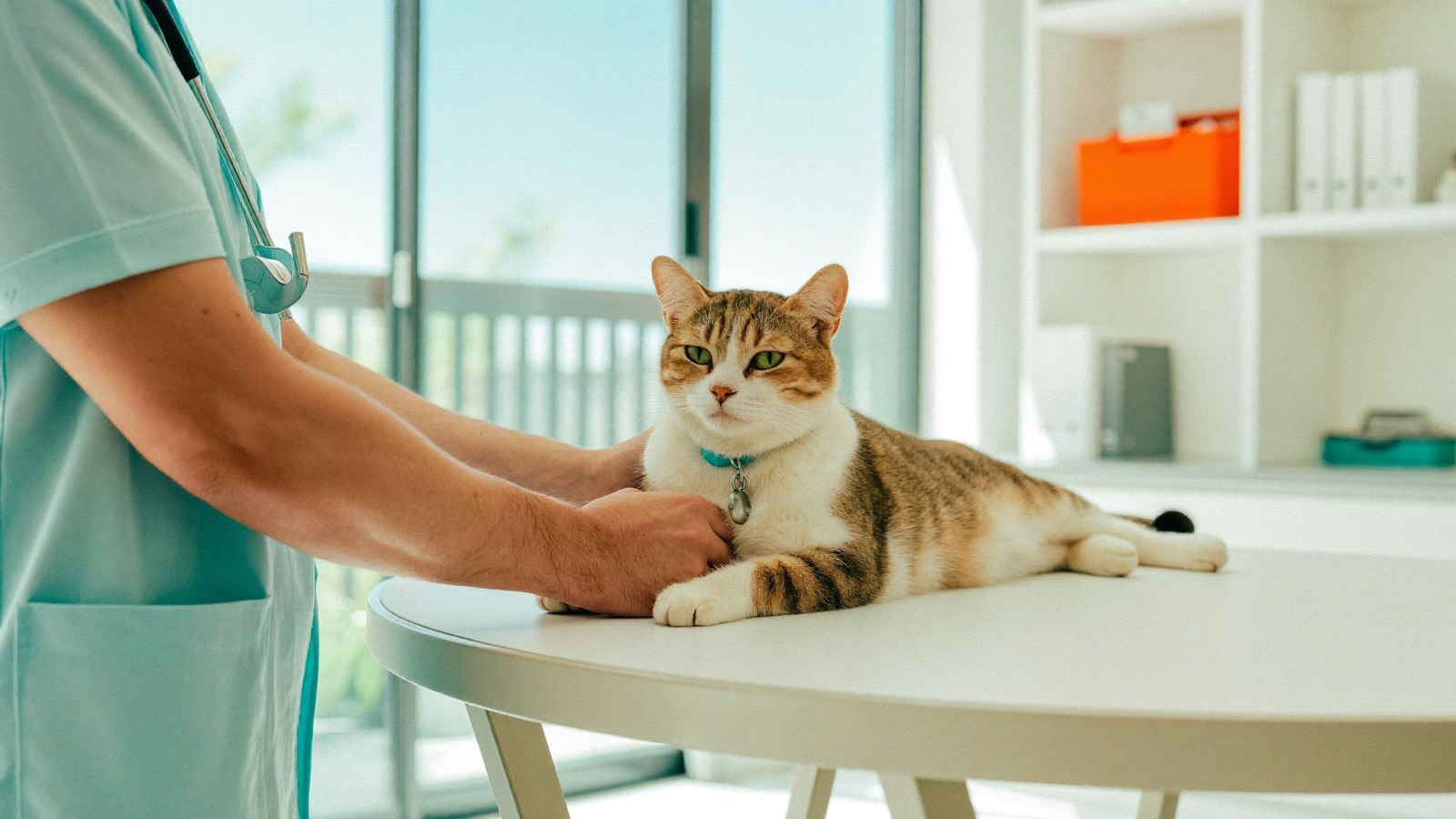
Vaccines are one of the highest-value things you'll ever do for a cat: a handful of visits in the first months buys years of protection against diseases that are common, contagious and often deadly. Here's the schedule most vets follow, what each shot covers, and roughly what it costs.
Core vs. non-core vaccines
Veterinary guidelines (AAHA/AAFP and WSAVA) split feline vaccines into two groups:
- Core — recommended for every cat because the diseases are widespread, severe, or a risk to people. These are FVRCP (feline viral rhinotracheitis/herpesvirus, calicivirus and panleukopenia) and rabies.
- Non-core — given based on your individual cat's lifestyle and exposure risk. The main one is FeLV (feline leukemia virus), which is considered core for all kittens under a year, then optional for adults depending on risk.
Kitten vaccination schedule by age
Kittens are born with some immunity from their mother, which fades over the first weeks — that's why the early shots come as a series rather than a single dose. Exact ages vary a little between clinics and vaccine brands.
| Kitten age | Vaccines typically given |
|---|---|
| 6–8 weeks | First FVRCP; first FeLV can begin around now (often 8 weeks) |
| 10–12 weeks | Second FVRCP; second FeLV (about 3–4 weeks after the first) |
| 12–16 weeks | Rabies (single dose); FVRCP booster continues |
| 14–20 weeks | Final FVRCP of the kitten series (guidelines increasingly favor a last dose at 16–20 weeks) |
| ~1 year | FVRCP booster, rabies booster, FeLV booster (if continued) |
The FVRCP series matters most: giving several doses ensures at least one lands after maternal antibodies have faded and the kitten can respond fully.
Adult cat boosters
After the one-year boosters, intervals stretch out. A common low-risk adult plan looks like this — but always follow your own vet and local rabies law:
| Vaccine | Type | Typical adult interval |
|---|---|---|
| FVRCP | Core | Every 3 years (some cats annually if higher risk) |
| Rabies | Core | Every 1–3 years, depending on the vaccine used and local law |
| FeLV | Non-core (adults) | Annually for cats with ongoing exposure; not needed for strictly indoor, low-risk adults |
Indoor-cat considerations
Indoor cats still need core vaccines. FVRCP viruses are hardy and airborne — panleukopenia virus can survive in the environment for months and hitch a ride indoors on shoes or clothing. Rabies is often legally required and matters even indoors, because cats escape and bats can get into homes. FeLV, on the other hand, spreads mainly through close contact with infected cats, so a strictly indoor adult with no feline visitors is genuinely low-risk. We cover this in depth in do indoor cats need vaccines?
Roughly what it costs
Prices vary widely by region and clinic type, but as a guide (US, 2025–2026):
- FVRCP: about $25–70 per dose
- Rabies: about $25–100 per dose
- FeLV: about $25–50 per dose
- Full first-year kitten series: often ~$130–240 before exam fees
- Adult booster year: roughly $40–100
Low-cost vaccine clinics and shelters are usually much cheaper than a full-service hospital, which adds an exam fee. Ask your clinic for a written estimate.
Never lose track of a booster again
Cats hide illness well, so prevention is everything — and boosters are easy to forget across years. Tavi stores your cat's vaccine records and reminds you before each one is due. Free for your first pet.
Frequently asked questions
What vaccines does my kitten need and when?
Kittens start the core FVRCP series at about 6 to 8 weeks, with boosters every 3 to 4 weeks until roughly 16 to 20 weeks old. Rabies is usually given once from 12 to 16 weeks. FeLV is recommended for all kittens as a two-dose series. Your vet tailors the exact timing to your kitten.
How often do adult cats need booster shots?
After the kitten series and a booster at about one year, FVRCP is typically boosted every 3 years for low-risk cats. Rabies is given every 1 to 3 years depending on the vaccine and local law. FeLV, if continued, is usually annual for at-risk cats. Your vet sets the interval.
What is the FVRCP vaccine?
FVRCP is the core combination vaccine protecting against three viruses: feline viral rhinotracheitis (herpesvirus), calicivirus and panleukopenia. Panleukopenia in particular is often fatal in unvaccinated kittens. Because these viruses are widespread and airborne, FVRCP is recommended for every cat, including indoor-only cats.
Is the rabies vaccine required by law for cats?
In many US states and counties rabies vaccination is legally required for cats, though rules vary by location. Rabies is invariably fatal and a human health risk, so most vets recommend it for all cats, including indoor cats who could slip outside or encounter a bat indoors.
How much do cat vaccinations cost?
Individual core vaccines commonly run about 25 to 70 US dollars each, with a full first-year kitten series often totaling roughly 130 to 240 dollars before exam fees. Adult booster years typically cost about 40 to 100 dollars. Low-cost clinics are cheaper; full-service hospitals add an exam fee.
Do indoor cats really need vaccines?
Yes. Core vaccines (FVRCP and usually rabies) are recommended even for indoor cats, because the viruses can arrive on your clothing or through an open window, cats escape, and rabies is often legally required. Non-core vaccines like FeLV depend on your cat's actual exposure risk. Ask your vet.
Tavi's guides are informational and not a substitute for professional veterinary advice, diagnosis or treatment. Vaccine timing, choices and legal requirements vary by cat, region and product — your veterinarian is the right person to set your cat's plan. Sources include the AAHA/AAFP Feline Vaccination Guidelines, WSAVA, Cornell Feline Health Center, UC Davis School of Veterinary Medicine, VCA Animal Hospitals and PetMD.