FVRCP Vaccine for Cats: Schedule & What It Covers
Start here
FVRCP is a core combination vaccine that protects cats against three widespread, contagious diseases: feline viral rhinotracheitis (herpesvirus), calicivirus, and panleukopenia (feline distemper). It's recommended for all cats, including indoor cats. Kittens get a series every 3–4 weeks from about 6–8 weeks until 16 weeks, a booster at one year, then boosters every 1–3 years.
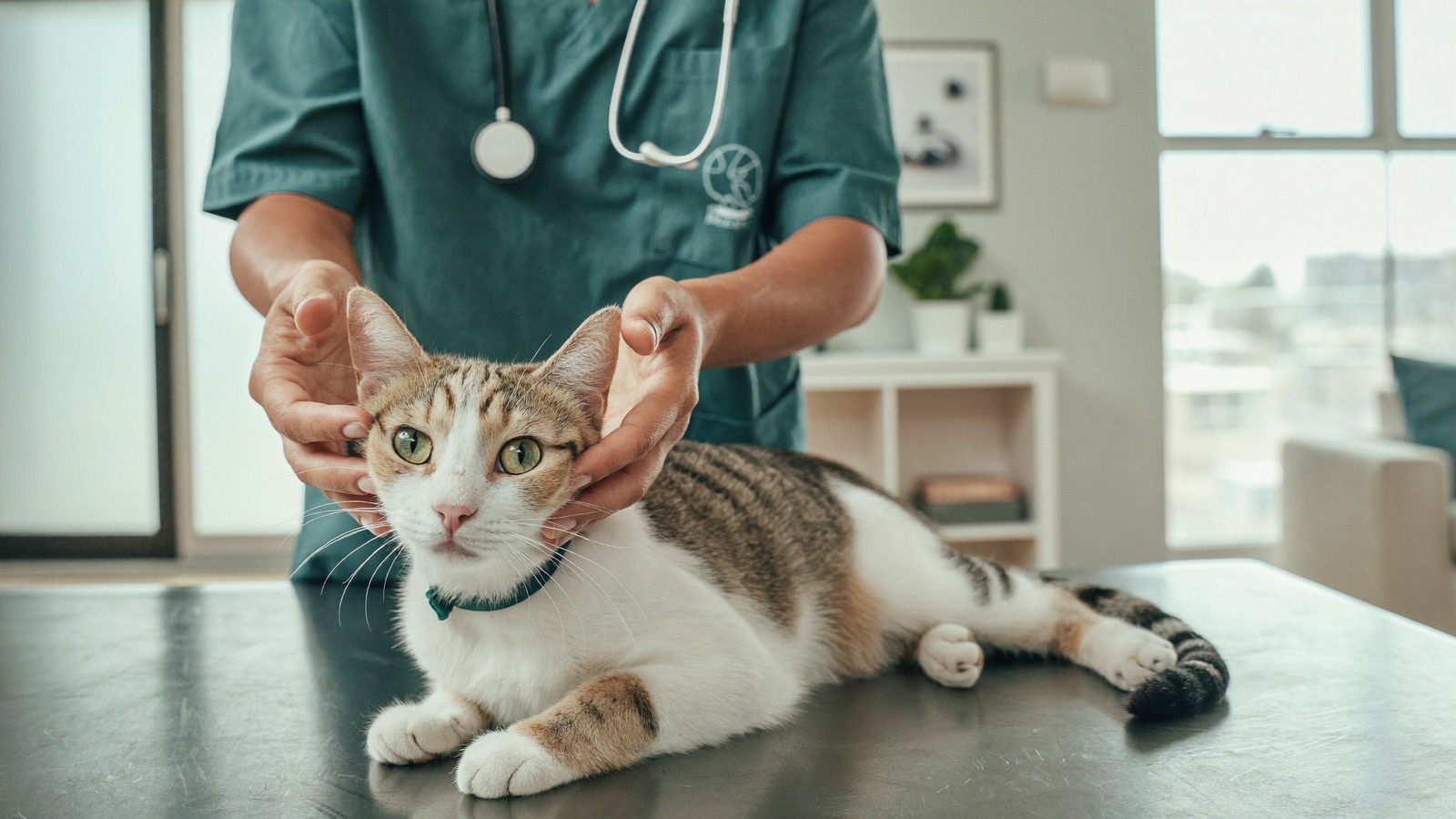
What FVRCP protects against
FVRCP is sometimes called the "feline distemper" shot, but it actually bundles protection against three separate viruses:
- FVR — Feline Viral Rhinotracheitis (feline herpesvirus-1): a major cause of upper respiratory infection, with sneezing, nasal and eye discharge, and eye ulcers. Once infected, cats often carry the virus for life and can flare up under stress.
- C — Calicivirus: another common cause of respiratory illness, plus painful mouth ulcers; some strains are severe.
- P — Panleukopenia (feline distemper/parvovirus): a highly contagious, frequently fatal virus that destroys white blood cells and attacks the gut, causing severe vomiting, diarrhea, and dehydration — especially deadly in kittens.
Practical take: Panleukopenia is extremely tough in the environment and often fatal in unvaccinated kittens, which is a big reason FVRCP is considered core for every cat.
Why even indoor cats need it
It's a common myth that indoor cats don't need FVRCP. They do, for several reasons:
- The viruses are easily brought inside on hands, shoes, and clothing — panleukopenia in particular is hardy and can persist in the environment.
- Cats may escape outdoors, need boarding, or visit the vet where other cats have been.
- New pets, foster animals, or visits can introduce infection.
- Herpesvirus can hide dormant and reactivate with stress.
Because the diseases are common and can be severe, the standard recommendation is FVRCP for essentially all cats regardless of lifestyle.
The kitten schedule
Kittens need a series of FVRCP doses, not a single shot, because protection from their mother's milk fades unpredictably and can block a single early vaccine:
| Age | FVRCP dose |
|---|---|
| 6–8 weeks | First dose |
| 10–12 weeks | Second dose |
| 14–16 weeks | Final kitten dose (at or after 16 weeks) |
| ~1 year | Booster |
| Every 1–3 years | Ongoing boosters based on risk |
The last kitten dose at or after 16 weeks matters — finishing too early can leave a gap. Adult cats new to vaccination usually get an initial dose and a booster a few weeks later.
Adult boosters
After the one-year booster, adult cats are typically boostered every 1 to 3 years. Your vet chooses the interval based on the vaccine used and your cat's risk — indoor-only cats in low-risk homes are often on the longer interval, while cats that are boarded, go outdoors, or live in multi-cat settings may booster more often.
FVRCP is separate from the rabies vaccine (also core and often legally required) and from non-core cat vaccines like feline leukemia (FeLV), which your vet may recommend based on lifestyle.
Is it safe? Side effects and records
FVRCP has a strong safety record. Most cats have no reaction or only mild, brief effects:
- Soreness or a small lump at the injection site.
- Mild tiredness or a low fever for a day or two.
- Reduced appetite or a few sneezes briefly.
Serious allergic reactions are uncommon but need prompt care — call your vet for facial swelling, hives, repeated vomiting or diarrhea, or difficulty breathing. As with any feline injection, ask your vet about monitoring any lump that persists more than a few weeks, given the rare risk of injection-site sarcomas in cats.
Because the kitten series is time-sensitive and boosters come years apart, tracking your cat's FVRCP dates and reminders in one place helps you complete the series on time and keep boosters from lapsing.
Keep your cat's shots on schedule
Tavi keeps your cat's FVRCP series, boosters and vaccine records in one place with reminders, so you complete the kitten series on time and never let an adult booster slip. Free for your first pet.
Frequently asked questions
What does the FVRCP vaccine protect against?
FVRCP protects cats against three contagious viral diseases: feline viral rhinotracheitis (feline herpesvirus), calicivirus, and panleukopenia (feline distemper). The first two cause upper respiratory illness and mouth ulcers, while panleukopenia is a severe, often fatal gut and immune disease, especially in kittens. It's a core vaccine for all cats.
Do indoor cats need the FVRCP vaccine?
Yes. The viruses can be carried inside on hands, shoes, and clothing, and panleukopenia is hardy in the environment. Indoor cats may also escape, need boarding, or visit the vet, and herpesvirus can reactivate under stress. FVRCP is recommended for essentially all cats regardless of lifestyle.
How many FVRCP shots does a kitten need?
Kittens need a series, typically starting around 6 to 8 weeks and repeating every 3 to 4 weeks until at least 16 weeks of age. The series is necessary because protection from the mother's milk fades at unpredictable times, and finishing at or after 16 weeks helps ensure full coverage.
How often do adult cats need an FVRCP booster?
After the kitten series and a booster at about one year, adult cats are usually boostered every 1 to 3 years. Your vet sets the interval based on the vaccine and your cat's risk, with low-risk indoor cats often on the longer interval and higher-exposure cats boosted more often.
Is the FVRCP vaccine safe for cats?
Yes, FVRCP has a strong safety record, and most cats have no reaction or only mild, brief effects like injection-site soreness, tiredness, or a low fever. Serious allergic reactions are uncommon. Ask your vet to check any lump that persists more than a few weeks, given the rare risk of injection-site tumors in cats.
Tavi's guides are informational and not a substitute for professional veterinary advice, diagnosis or treatment. When in doubt, call your veterinarian.