DHPP Vaccine for Dogs: Schedule & What It Covers
Start here
DHPP is a core combination vaccine that protects dogs against four serious diseases: distemper, hepatitis (adenovirus), parvovirus, and parainfluenza. It's recommended for essentially all dogs. Puppies get a series of shots every few weeks from about 6–8 weeks until 16 weeks, a booster at one year, then boosters every 3 years for most dogs.
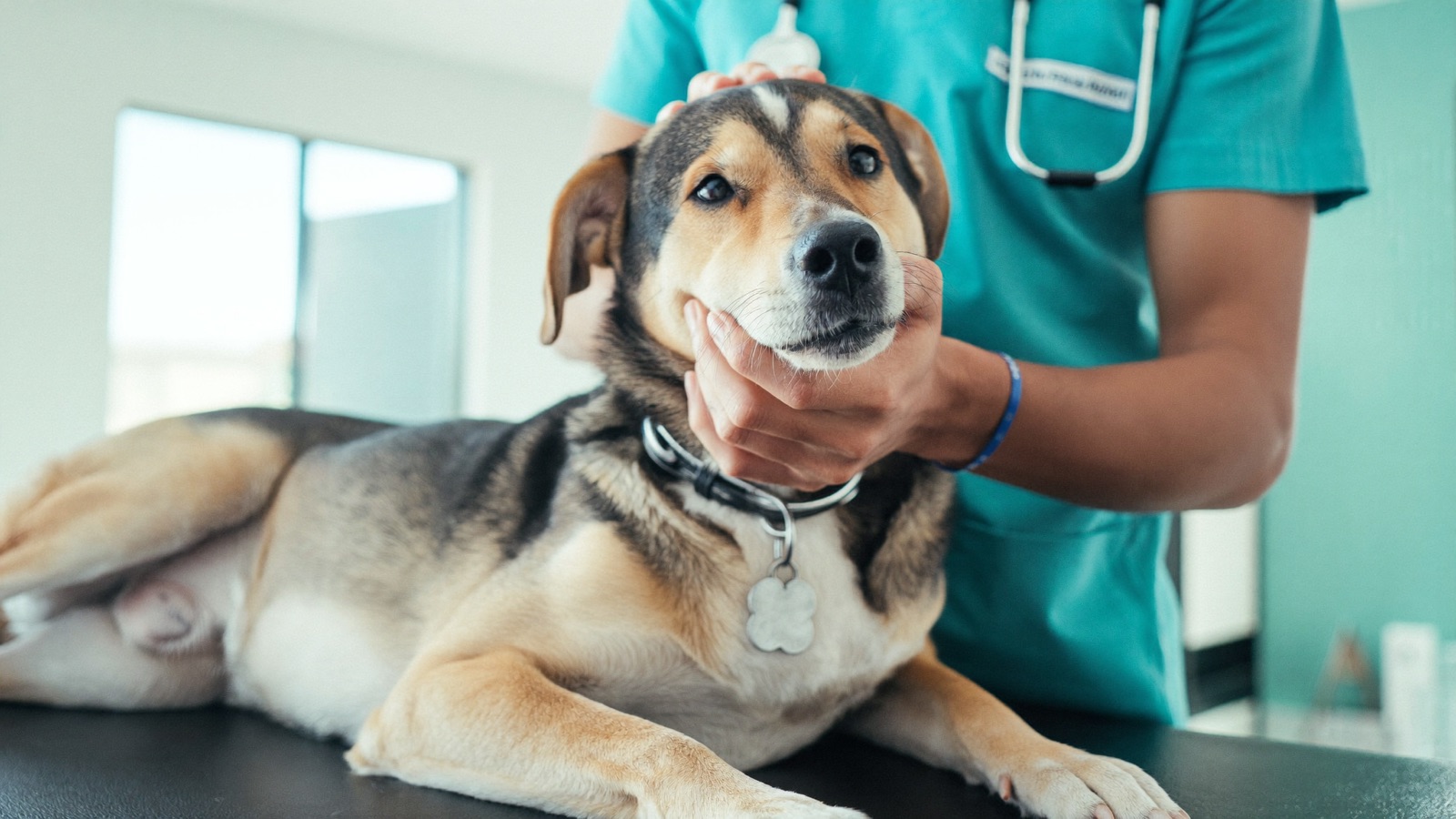
What DHPP protects against
DHPP (sometimes written DAPP, DA2PP, or DHPPV) is a single shot that bundles protection against four contagious and potentially deadly diseases:
- D — Distemper: a severe viral disease affecting the respiratory, digestive, and nervous systems; often fatal and can leave lasting neurological damage.
- H — Hepatitis (canine adenovirus): a virus that damages the liver and other organs; the vaccine uses adenovirus-2, which also helps protect against a cause of respiratory disease.
- P — Parvovirus: a highly contagious, life-threatening virus causing severe bloody vomiting and diarrhea, especially dangerous in puppies.
- P — Parainfluenza: a respiratory virus that contributes to kennel cough.
Practical take: These diseases are far harder and more expensive to treat than to prevent — and parvo and distemper are frequently fatal in unvaccinated puppies.
The puppy vaccine schedule
Puppies need a series of DHPP doses, not just one, because protection from their mother's milk gradually wears off and interferes with the vaccine at unpredictable times. The series ensures they're covered as that maternal immunity fades:
| Age | DHPP dose |
|---|---|
| 6–8 weeks | First dose |
| 10–12 weeks | Second dose |
| 14–16 weeks | Third dose (final puppy dose at or after 16 weeks) |
| ~1 year | Booster |
| Every 3 years | Ongoing boosters for most adult dogs |
The final puppy dose at or after 16 weeks is important — giving it too early risks leaving a gap in protection. Until the series is complete, limit your puppy's exposure to unknown dogs and high-risk areas.
Adult boosters
After the one-year booster, most adult dogs are boostered every three years for DHPP, based on studies showing lasting immunity. Your vet may recommend antibody titer testing in some cases to gauge existing immunity, though vaccination remains the standard approach.
Your vet tailors the plan to your dog's age, health, and lifestyle. Dogs that are frequently boarded, in daycare, or exposed to many other dogs may have additional non-core vaccines layered on top (like Bordetella and leptospirosis), which are separate from DHPP.
Is DHPP safe? Side effects
DHPP is a core vaccine with a long safety record. Most dogs have no reaction or only mild, brief effects:
- Soreness or a small lump at the injection site.
- Mild tiredness or a low fever for a day or so.
- Reduced appetite briefly.
Serious allergic reactions are uncommon but need prompt care. Call your vet right away if you notice facial or muzzle swelling, hives, persistent vomiting or diarrhea, weakness, or difficulty breathing, usually within minutes to hours of the shot.
Keeping the schedule on track
Because the puppy series is time-sensitive and boosters come years apart, it's easy to lose track. Staying current matters — a lapsed adult dog may need to restart part of the series, and many boarding and daycare facilities require proof.
- Keep a record of each dose and the due date for the next.
- Don't skip or delay puppy doses; gaps leave dangerous windows for parvo and distemper.
- Bring vaccine records when boarding, traveling, or changing vets.
Tracking your dog's vaccine dates and booster reminders in one place means you catch the next due date early — and always have proof ready when a facility asks.
Stay ahead of every booster
Tavi keeps your dog's DHPP series, boosters and vaccine records in one place with reminders, so you never miss a puppy dose or let an adult booster lapse. Free for your first pet.
Frequently asked questions
What does the DHPP vaccine protect against?
DHPP protects dogs against four diseases: distemper, hepatitis (canine adenovirus), parvovirus, and parainfluenza. These are contagious and potentially fatal, and parvovirus and distemper are especially dangerous in unvaccinated puppies. It's considered a core vaccine recommended for essentially all dogs.
How many DHPP shots does a puppy need?
Puppies need a series of DHPP doses, typically starting around 6 to 8 weeks and repeating every 3 to 4 weeks until at least 16 weeks of age. The series is necessary because protection from the mother's milk fades at unpredictable times, and the final dose at or after 16 weeks helps ensure full coverage.
How often do adult dogs need a DHPP booster?
After the puppy series and a booster at about one year, most adult dogs receive DHPP boosters every three years, based on studies of lasting immunity. Your vet may adjust this and can sometimes use titer testing to assess immunity, but three-year boosters are the common standard.
Is the DHPP vaccine safe for dogs?
Yes, DHPP has a long safety record and most dogs have no reaction or only mild, brief effects like injection-site soreness, tiredness, or a low fever. Serious allergic reactions are uncommon. Contact your vet promptly if you see facial swelling, hives, repeated vomiting, weakness, or breathing trouble after the shot.
What's the difference between DHPP and DAPP?
They refer to essentially the same core combination vaccine, just labeled differently. Names like DHPP, DAPP, DA2PP, and DHPPV reflect variations in how the components are abbreviated, but all cover distemper, adenovirus/hepatitis, parvovirus, and parainfluenza. Your vet can confirm exactly what a given product contains.
Tavi's guides are informational and not a substitute for professional veterinary advice, diagnosis or treatment. When in doubt, call your veterinarian.