Dog Vaccine Side Effects: Normal vs. Emergency
Start here
Most pets have mild, short-lived side effects after vaccination — a day of tiredness, mild soreness, or a small firm lump at the injection site — that clear on their own within a day or two. Serious allergic reactions are rare but are an emergency: facial swelling, hives, vomiting, difficulty breathing, or collapse usually appear within minutes to a few hours and need a vet right away.
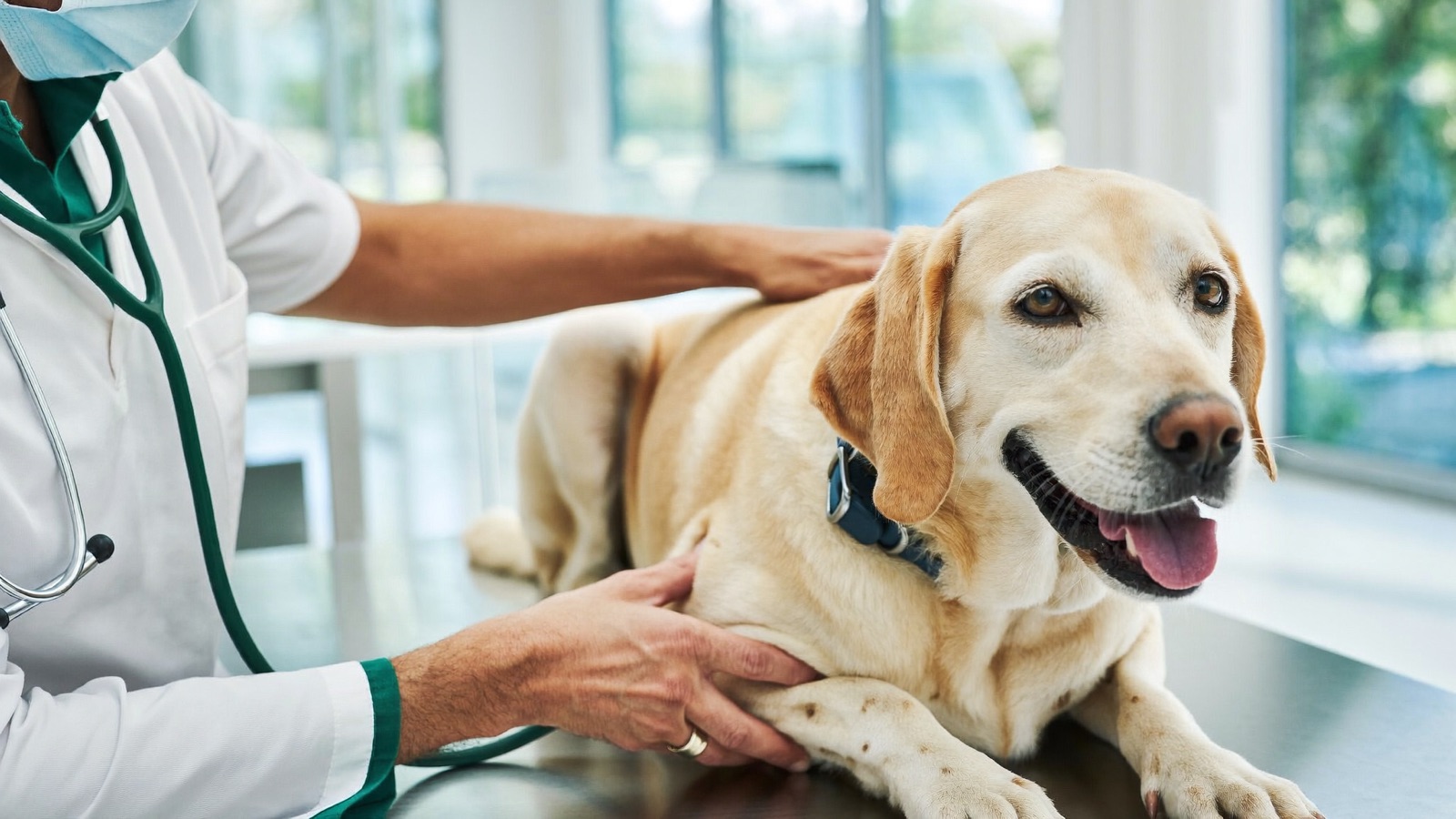
When a reaction is an emergency
Call your vet or the nearest emergency clinic immediately if, within minutes to a few hours of a vaccine, your pet shows:
- Swelling of the face, muzzle, or around the eyes
- Hives or intense itching, especially over the body
- Repeated vomiting or diarrhea
- Difficulty breathing, pale gums, weakness, or collapse
These are signs of a true allergic reaction (anaphylaxis), which is uncommon but potentially life-threatening. It is treatable when caught quickly.
Because reactions of this kind tend to happen soon after the shot, many owners choose morning or early-afternoon appointments so they can watch their pet during regular clinic hours.
Normal, mild side effects
The vast majority of pets feel a little "off" for a day and are back to normal quickly. Common, expected reactions include:
- Tiredness or a quieter mood for a day or so.
- Mild soreness or stiffness, sometimes with a reluctance to be touched at the injection site.
- A small, firm lump under the skin where the shot was given, which usually shrinks over a couple of weeks.
- A mild, temporary fever and slightly reduced appetite.
- Sneezing or mild sniffles for a few days after an intranasal (in-the-nose) vaccine such as some kennel cough products.
Practical take: These are signs the immune system is responding. Offer a quiet spot, fresh water, and normal food. Most pets need nothing more than rest.
Normal vs. concerning: a quick comparison
| Sign | Usually normal | Call the vet |
|---|---|---|
| Energy | Quiet or sleepy for up to 24-36 hours | Weak, collapsing, or lethargic beyond 2 days |
| Injection site | Small firm lump, mild soreness | Growing lump, still present after 3 weeks, oozing, or very painful |
| Stomach | Slightly reduced appetite for a day | Repeated vomiting or diarrhea |
| Face/skin | No change | Facial swelling or hives |
| Breathing | Normal | Labored breathing, pale gums, collapse |
Why vaccines are still worth it
It's natural to worry about side effects, but the diseases vaccines prevent — such as parvovirus, distemper, rabies, and feline panleukopenia — are far more dangerous and often deadly. Serious vaccine reactions are rare, and vets weigh each pet's age, health, and lifestyle when recommending which vaccines are truly needed.
If your pet has had a reaction before, tell your vet. They can adjust the approach, such as spacing vaccines out, giving pre-treatment medication, or monitoring your pet in the clinic after the shot.
What to do after a vaccine appointment
A little planning makes the day easier:
- Watch your pet for the first few hours, and check in again the next day.
- Keep the day low-key — skip the big hike or the dog park until they're back to normal.
- Don't give human pain or allergy medication unless your vet specifically directs it and gives you a dose.
- Note the date, which vaccines were given, and any reaction you saw.
Keeping a running log of vaccine dates and how your pet responded each time is genuinely useful: if a pattern of reactions emerges, your vet can see it at a glance and adjust future visits. It also means you'll never double up or miss a booster. Our guides on wellness exams and titer testing cover how vaccines fit into overall preventive care.
Keep a vaccine and reaction history in one place
Tavi logs each vaccine date and any reaction your pet had, so you can spot patterns and give your vet an accurate history at the next visit. Free for your first pet.
Frequently asked questions
How long do vaccine side effects last in dogs and cats?
Mild side effects like tiredness, soreness, or a small lump usually resolve within one to two days, and the lump can take a couple of weeks to fully fade. If mild signs last longer than that or worsen, call your vet.
Is a lump at the injection site normal?
A small, firm lump at the injection site is common and usually shrinks over one to three weeks. Have it checked if it keeps growing, is still present after about three weeks, becomes painful, or starts to ooze.
Can I give my dog Benadryl after a vaccine?
Only if your veterinarian specifically tells you to and gives you a dose for your pet's weight. Never give human medication on your own. If your pet is having an allergic reaction, that is an emergency that needs a vet, not home treatment.
How soon do serious vaccine reactions happen?
True allergic reactions typically appear within minutes to a few hours of the shot. That's why many owners schedule morning appointments and watch their pet closely for the rest of the day.
Should I skip vaccines if my pet reacted before?
Don't simply skip them without guidance. Tell your vet about the past reaction; they may space vaccines out, pre-medicate, monitor your pet after the shot, or adjust which vaccines are given based on real risk.
Tavi's guides are informational and not a substitute for professional veterinary advice, diagnosis or treatment. When in doubt, call your veterinarian.
Sources
- American Animal Hospital Association (AAHA) Vaccination Guidelines
- American Veterinary Medical Association (AVMA)
- American Association of Feline Practitioners (AAFP)
- Merck Veterinary Manual
- VCA Animal Hospitals