Pet Wellness Exam: What to Expect at the Vet
Start here
A wellness exam is a routine head-to-tail checkup where your vet assesses your pet's overall health, updates vaccines and parasite prevention, and looks for early signs of problems before they become serious. Most healthy adult dogs and cats need one at least once a year, while puppies, kittens, and senior pets benefit from more frequent visits. It's the single best way to catch issues early, when they're easier and cheaper to treat.
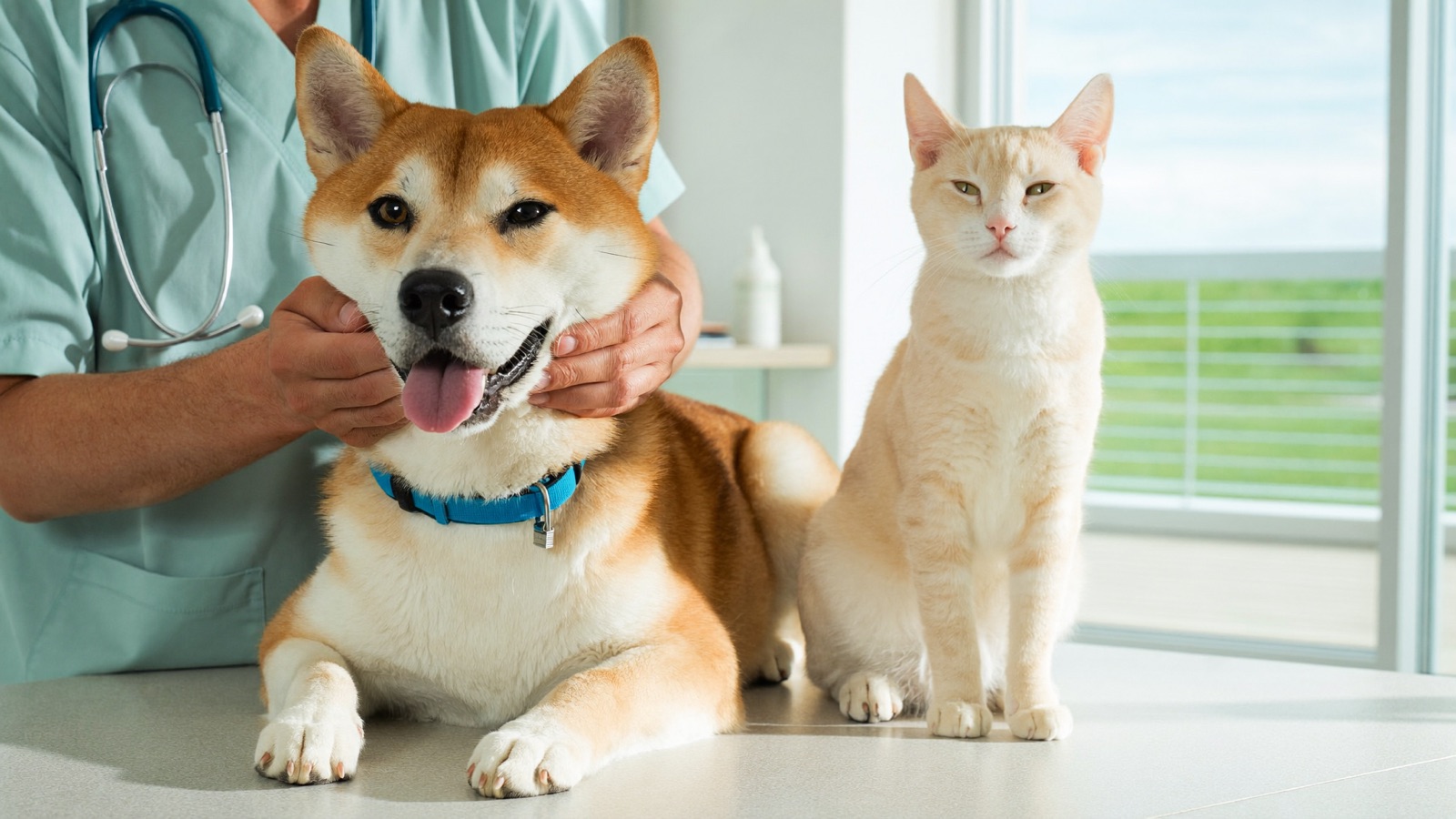
How often pets need a wellness exam
The right frequency depends mostly on age and health:
- Puppies and kittens: every few weeks during the first few months for their vaccine series and growth checks.
- Healthy adults: at least once a year.
- Senior pets (roughly 7+ years, sooner for large breeds): typically twice a year, since problems develop faster at this stage. See our senior dog care guide.
- Pets with chronic conditions: as often as the vet recommends to monitor the disease.
Practical take: Pets age much faster than we do, so a year between visits is a long time. Twice-yearly exams for seniors catch changes that a single annual snapshot would miss.
What the vet checks head to tail
A thorough physical exam covers your pet from nose to tail. Your vet will typically:
- Weigh your pet and assess body condition (too thin, ideal, or overweight).
- Check eyes, ears, nose, mouth and teeth for dental disease, discharge, or infection.
- Listen to the heart and lungs for murmurs, rhythm changes, or abnormal breathing.
- Feel the abdomen to assess organs and check for pain or masses.
- Examine skin and coat for lumps, parasites, or irritation.
- Check joints, gait and mobility, especially in older or large-breed pets.
- Assess lymph nodes and overall body condition.
The vet will also ask about diet, appetite, thirst, energy, bathroom habits, and behavior at home — often the details that reveal the most.
Vaccines, parasites and common tests
Beyond the hands-on exam, a wellness visit is when preventive care gets updated:
| Component | What it involves |
|---|---|
| Vaccines | Core and lifestyle-based vaccines, plus boosters that are due |
| Parasite prevention | Heartworm, flea and tick prevention; deworming as needed |
| Heartworm/tick-borne test | A quick blood test, often yearly for dogs |
| Bloodwork & urinalysis | Baseline organ function, especially for seniors or before anesthesia |
| Fecal exam | Screens for intestinal parasites |
Not every test happens at every visit. Your vet tailors screening to your pet's age, breed, and risk. Bloodwork in particular is most valuable as a trend — a healthy baseline today makes an abnormal result years from now much easier to interpret.
How to prepare for the visit
A little prep gets you far more from the appointment:
- Bring a list of questions and any changes you've noticed in appetite, weight, thirst, energy, or behavior.
- Know your pet's current food, treats, medications and supplements.
- For cats, use a familiar, comfortable carrier and consider covering it to reduce stress.
- Bring a fresh stool sample if your vet requests one.
- Note the dates of the last vaccines and any prior test results.
Owners who track weight, symptoms and behavior at home walk in with information the vet can't get in a ten-minute exam. That home history — a slow weight change, drinking more water, a new limp — is often what turns a routine checkup into an early catch.
Why wellness exams are worth it
Pets are experts at hiding illness, and many serious conditions — kidney disease, dental disease, heart problems, diabetes, and some cancers — start quietly. Regular exams let your vet catch these while they're still manageable, which usually means simpler treatment, a better outcome, and lower cost than waiting for a crisis.
Think of a wellness exam as building a health record over your pet's life. Each visit adds another data point, and the pattern across visits is what makes early detection possible.
Walk into every checkup with a full history
Tavi tracks your pet's weight, symptoms, medications and past vet visits, so you can hand your vet a real timeline at every wellness exam and catch changes early. Free for your first pet.
Frequently asked questions
How often should my pet have a wellness exam?
Most healthy adult dogs and cats need a checkup at least once a year. Puppies and kittens need several visits during their first months, and senior pets (around 7+ years) usually benefit from twice-yearly exams because problems develop faster with age.
What does a vet check during a wellness exam?
The vet performs a head-to-tail physical: weight and body condition, eyes, ears, mouth and teeth, heart and lungs, abdomen, skin and coat, joints and mobility, and lymph nodes. They also update vaccines and parasite prevention and discuss diet and behavior.
Does a wellness exam include blood tests?
Not always, but bloodwork and a urinalysis are commonly recommended for senior pets, before anesthesia, or when the vet wants a baseline. Establishing normal values while your pet is healthy makes future results far easier to interpret.
How should I prepare for my pet's wellness exam?
Bring a list of questions and any changes you've noticed in appetite, weight, thirst, energy or behavior, plus details of current food and medications. A fresh stool sample and knowledge of past vaccine dates also help. Use a comfortable carrier for cats.
Why are wellness exams important if my pet seems healthy?
Pets hide illness well, and many serious conditions start with no obvious symptoms. Routine exams let the vet catch problems early, when treatment is simpler, more effective, and less expensive than waiting for a visible crisis.
Tavi's guides are informational and not a substitute for professional veterinary advice, diagnosis or treatment. When in doubt, call your veterinarian.