Cat Hairball Control: Causes & How to Reduce Them
Start here
Hairballs form when a cat swallows loose fur during grooming and it clumps in the stomach instead of passing through. The occasional hairball — perhaps once or twice a month — is normal, especially in long-haired cats and heavy groomers. You can reduce them with regular brushing, good hydration and, when your vet advises, a fiber-rich or hairball-formula diet. Frequent hairballs, repeated retching that brings nothing up, or a cat that stops eating are not "just hairballs" and warrant a vet visit.
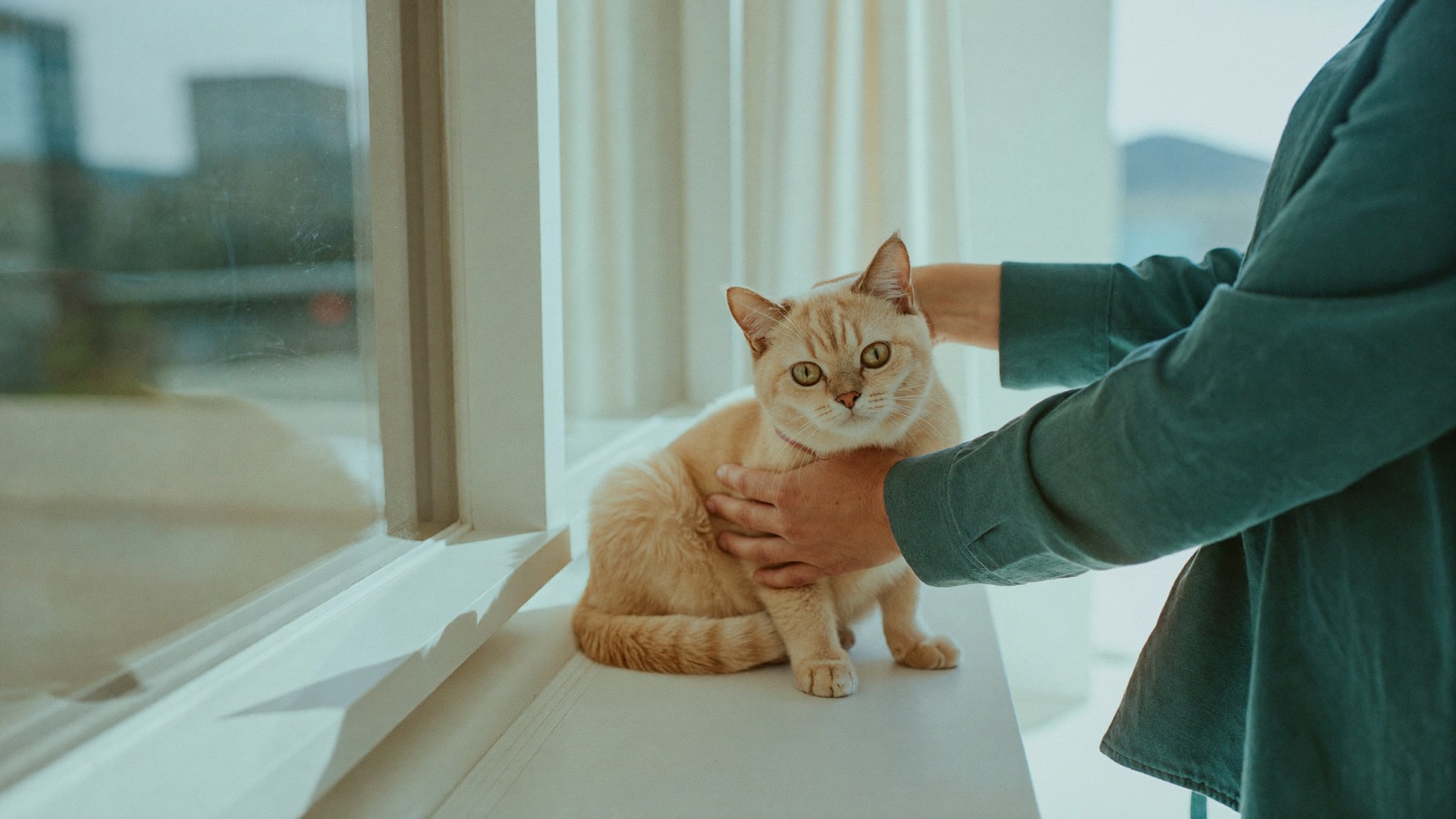
What a hairball actually is
Cats are meticulous self-groomers. The tiny backward-facing barbs on a cat's tongue catch loose and dead hair, which the cat then swallows. Most of that fur passes harmlessly through the digestive tract and out in the stool. A hairball (the medical term is trichobezoar) forms when some of the swallowed hair stays in the stomach and mats together into a wad.
When the mass gets big enough to irritate the stomach, the cat brings it back up — the familiar retching, gagging, and finally a cylindrical (not round) plug of matted fur. Because it travels up the narrow esophagus, a hairball is usually tube-shaped rather than a ball.
How often is normal
An occasional hairball is a normal part of living with a cat. As a rough guide, a hairball every week or two — or less — is typical, and long-haired breeds like Persians and Maine Coons produce more than short-haired cats simply because there's more coat to swallow.
- Seasonal shedding in spring and fall temporarily increases them.
- Over-groomers — cats that groom out of stress, allergy or skin itch — swallow more hair.
- Kittens rarely get hairballs; they become more common as a cat matures and perfects its grooming.
Knowing your own cat's normal frequency is what lets you notice a change. A cat that suddenly goes from one hairball a month to several a week is telling you something.
When it's NOT just a hairball
Retching and gagging without producing a hairball can signal a blockage or another illness — call your vet if you see these.
- Repeated, unproductive retching or gagging over several hours
- Loss of appetite, lethargy, or hiding
- Constipation or straining, or diarrhea
- A swollen or painful belly
- Frequent vomiting of food or liquid (more than the odd hairball)
Rarely, a hairball is too large to bring up or pass and causes an intestinal blockage — a surgical emergency. Just as important, chronic vomiting is often blamed on hairballs when the real cause is inflammatory bowel disease, food sensitivity, or another condition. Don't let "it's just hairballs" delay a work-up if the pattern changes.
How to reduce hairballs
You can't stop a cat from grooming, but you can cut down how much loose hair it swallows and help what it does swallow move through:
| Strategy | Why it helps |
|---|---|
| Regular brushing | Removes loose fur before the cat swallows it — daily for long-haired cats, a few times a week for short-haired. |
| Hydration | Water fountains and wet food keep the gut moving so hair passes in the stool. Consider our encouraging more water intake. |
| Fiber & hairball diets | Higher-fiber or hairball-formula foods help sweep hair through the digestive tract. |
| Hairball gels/lubricants | Petroleum- or fiber-based products can ease passage; use only as your vet directs. |
| Address over-grooming | Treat the underlying itch, allergy or stress so the cat swallows less hair in the first place. |
Practical take: Brushing is the single most effective at-home step. Fur caught in the brush is fur that never reaches the stomach.
Why tracking helps
Hairballs are one of those things owners tend to under-notice — you clean one up, forget it, and can't say two months later whether they're getting more frequent. Jotting down each hairball, plus any vomiting of food or changes in appetite, turns a vague impression into a real pattern. If the frequency climbs or the vomiting stops matching the classic hairball picture, you'll have a dated record to show your vet instead of guessing.
Tell a hairball from a health problem
Tavi lets you log vomiting, hairballs, appetite and grooming changes so you can see whether they're truly occasional or quietly becoming a pattern — and hand your vet a clear history if they ever cross the line. Free for your first pet.
Frequently asked questions
How often are hairballs normal in cats?
An occasional hairball — roughly once or twice a month, or less — is normal, and long-haired cats produce more than short-haired ones. Several hairballs a week, or a sudden increase from your cat's usual pattern, is worth a vet check rather than being brushed off as normal.
What's the best way to prevent hairballs?
Regular brushing is the most effective step because it removes loose fur before your cat can swallow it. Good hydration, a fiber-rich or hairball-formula diet when your vet recommends one, and treating any over-grooming all help the swallowed hair pass through instead of clumping.
Can hairballs be dangerous?
Usually they're harmless, but a hairball that's too large to bring up or pass can cause an intestinal blockage, which is a surgical emergency. Repeated unproductive retching, loss of appetite, lethargy, or a swollen belly all warrant an urgent vet visit.
Why is my cat retching but not producing a hairball?
Dry heaving or gagging without bringing anything up can mean a hairball is stuck, or that the real cause isn't a hairball at all — nausea, a foreign object, asthma, or gastrointestinal disease can look similar. If it repeats over several hours or comes with other signs, call your vet.
Do hairball diets and gels actually work?
Hairball-formula diets add fiber to help move swallowed hair through the gut, and lubricant gels can ease its passage; both can reduce how often hairballs form. They work best alongside regular brushing and good hydration, and gels should be used only as directed by your vet.
Tavi's guides are informational and not a substitute for professional veterinary advice, diagnosis or treatment. When in doubt, call your veterinarian.