How to Clean Cat Ears: A Safe, Simple Guide
Start here
Most healthy cats keep their own ears clean and rarely need help. Clean your cat's ears only when you see visible wax or light debris, using a vet-approved cat ear cleaner and a cotton ball or gauze — never a cotton swab inside the canal. If the ear looks red, smells bad, has dark coffee-ground debris, or your cat is shaking its head or scratching, skip the cleaning and see your vet, because that points to infection or mites.
Does your cat actually need it?
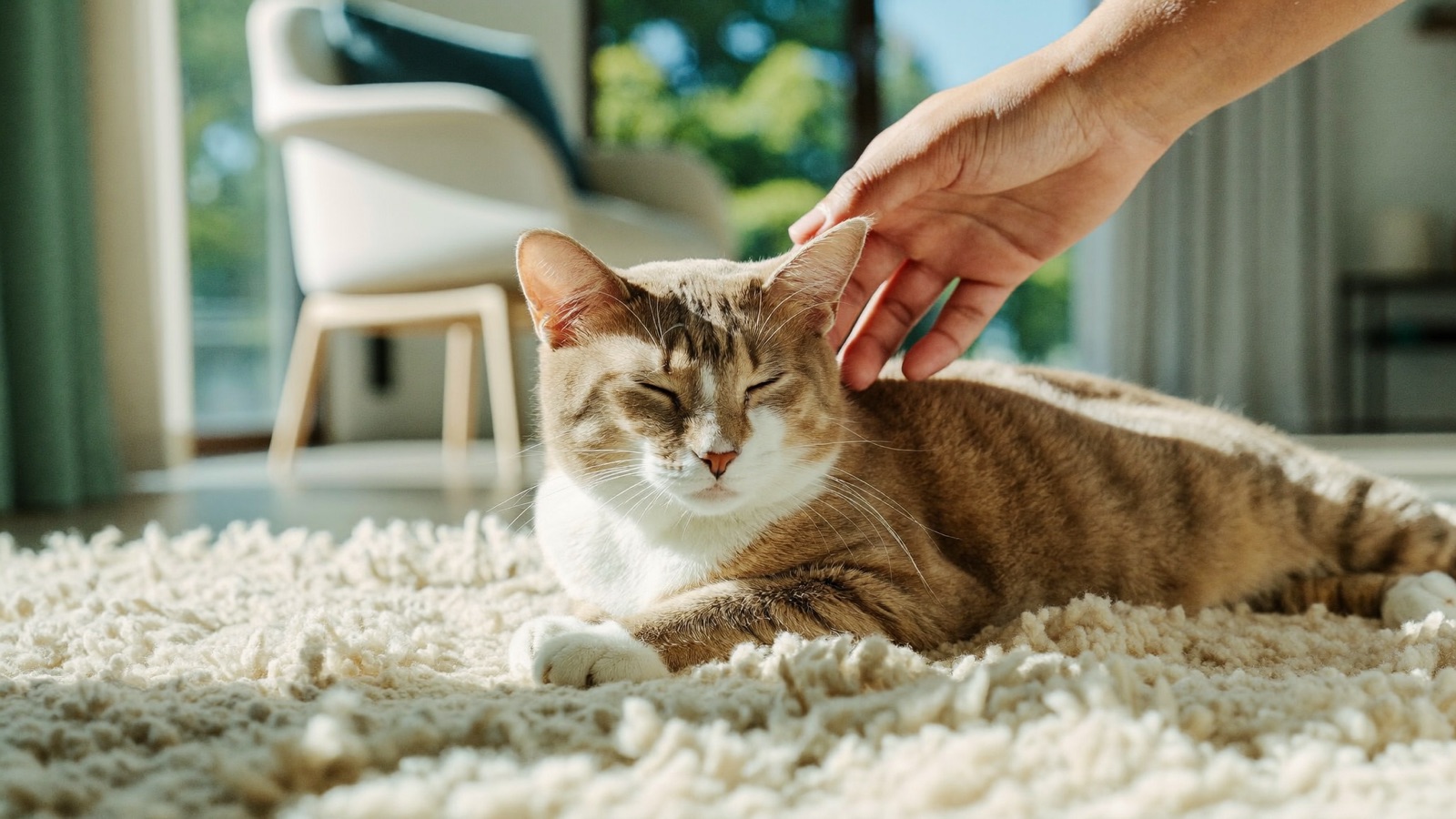
Healthy cats are excellent self-groomers, and their ears usually stay clean on their own. Routine at-home cleaning is only worth doing when you can see a buildup of wax or light debris, or when your vet has recommended it for a cat that's prone to ear problems. Over-cleaning a healthy ear can irritate the delicate lining and actually cause trouble.
Peek inside first. A normal cat ear is pale pink, dry, and nearly odorless, with maybe a little light-brown wax. If it looks and smells fine, leave it alone.
Practical take: Clean because you see a reason to, not on a fixed schedule. When in doubt, less is more.
What you'll need
Gather everything before you start so you're not fumbling with a squirming cat:
- A cat-specific ear-cleaning solution from your vet or pet store — not water, hydrogen peroxide, alcohol, or vinegar, which sting and can damage the ear.
- Cotton balls or gauze squares to wipe. Never insert cotton swabs (Q-tips) into the canal.
- A towel to wrap your cat gently if needed.
- Treats to reward calm behavior and end on a good note.
Step by step
Pick a calm moment when your cat is relaxed. Working slowly keeps the whole thing low-stress:
- Settle your cat on your lap or a table, wrapping it loosely in a towel if it wriggles.
- Fill the canal with the recommended amount of cleaner by lifting the ear flap and squeezing solution into the opening. Don't jam the bottle tip inside.
- Massage the base of the ear for a few seconds — you'll hear a squishing sound as the cleaner loosens debris.
- Let your cat shake its head. This brings gunk up out of the canal.
- Wipe away the loosened debris and excess fluid with a cotton ball, only as far as your finger reaches. Never push into the canal.
- Repeat on the other ear, then reward.
When to stop and call the vet
Don't clean an ear that looks infected — get it checked first. Cleaning over an infection or a ruptured eardrum can make things worse.
Book a vet visit instead of cleaning if you notice any of these:
- Redness, swelling, or heat in the ear.
- A bad or yeasty smell.
- Dark, crumbly, coffee-ground debris — a classic sign of ear mites.
- Head shaking, tilting, or persistent scratching at the ears.
- Discharge, pus, or bleeding, or signs of pain when you touch the ear.
These point to infection, mites, allergies, or a foreign object — problems that need diagnosis and the right medication, not just a wipe.
Making it a positive habit
Cats remember bad experiences, so the goal is to keep ear handling calm and brief. Touch your cat's ears gently during regular petting so the area feels normal, pair cleaning with treats, and stop before your cat gets frustrated. Kittens who get used to gentle ear handling early tend to tolerate it far better as adults.
Keeping a simple log of when you clean, what you see, and any head-shaking or scratching helps you spot a pattern — a cat with recurring debris or itch may have an underlying allergy or chronic ear issue worth raising with your vet.
Notice ear problems before they flare
Tavi lets you log grooming, symptoms like head shaking or scratching, and vet visits in one place — so recurring ear issues show up as a pattern you can share with your vet. Free for your first pet.
Frequently asked questions
How often should I clean my cat's ears?
Most healthy cats never need routine ear cleaning and manage fine on their own. Clean only when you see visible wax or debris, or when your vet advises it for a cat prone to ear problems. Over-cleaning can irritate the ear.
Can I use a cotton swab in my cat's ear?
No. Cotton swabs can push debris deeper into the canal and risk damaging the eardrum. Use a cotton ball or gauze to wipe only the outer ear and the part of the canal you can easily reach with your finger.
What can I use to clean my cat's ears at home?
Use a cleaner made specifically for cats, ideally one your vet recommends. Avoid water, hydrogen peroxide, rubbing alcohol, and vinegar — they sting, dry out the ear, and can worsen irritation or infection.
What does an infected cat ear look like?
Signs include redness, swelling, a bad or yeasty odor, dark crumbly discharge, and pain when touched. Cats with ear infections often shake their heads, tilt them, or scratch persistently. See your vet rather than cleaning it yourself.
Why does my cat keep shaking its head?
Frequent head shaking usually signals an ear problem — an infection, ear mites, allergies, or a foreign object like a grass seed. It's not something home cleaning will fix, so have your vet examine the ears to find the cause.
Tavi's guides are informational and not a substitute for professional veterinary advice, diagnosis or treatment. When in doubt, call your veterinarian.