Cat Litter Box Problems: Causes & Fixes
Start here
When a cat stops using the litter box, it's telling you something is wrong — not being spiteful. The most common causes are medical problems, a dirty or poorly placed box, the wrong litter, too few boxes, or stress. Because urinary issues can be dangerous, the first step is always a vet check to rule out disease, then work through box setup, litter, location and cleanliness.
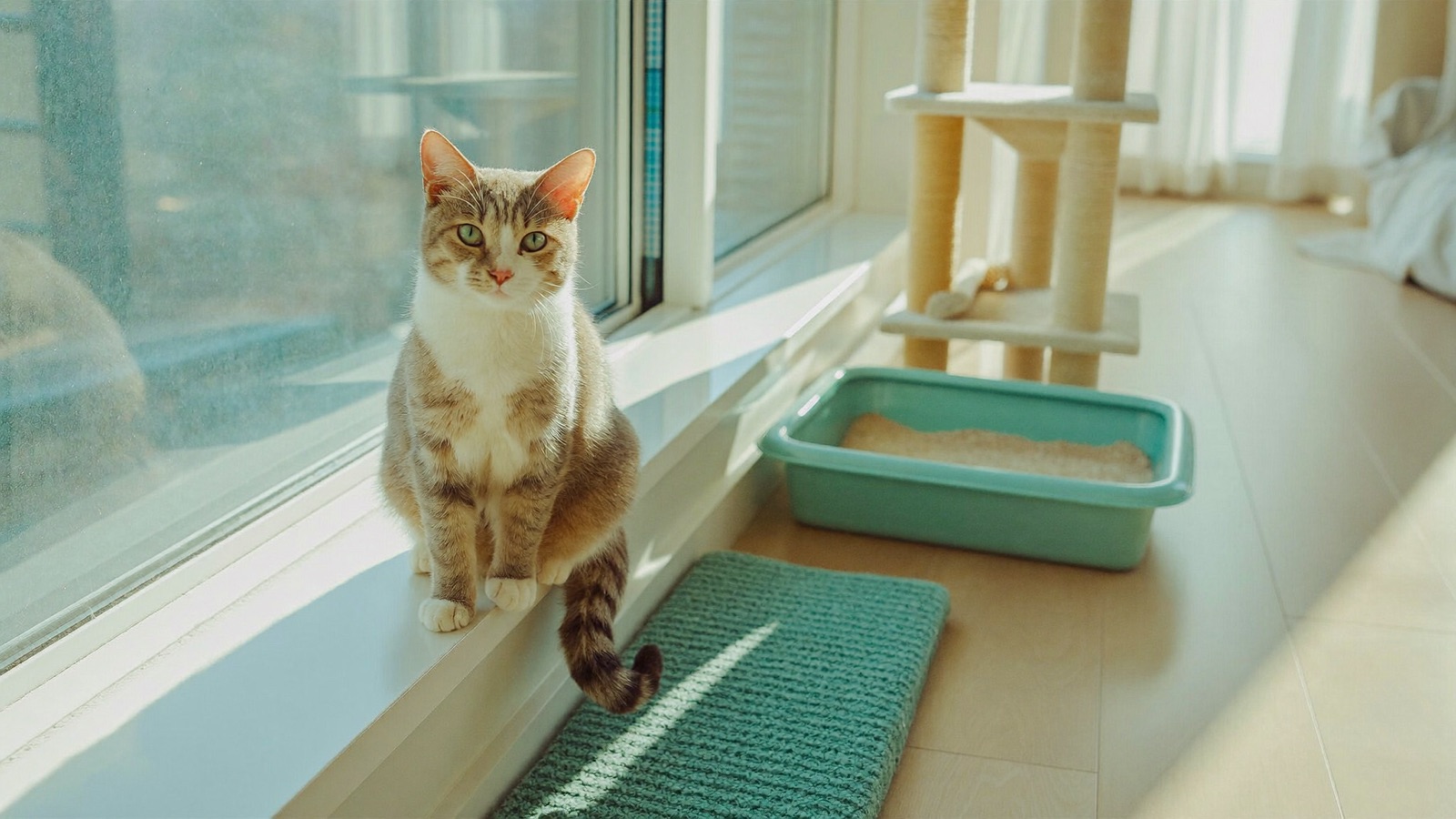
Rule out a medical cause first
A cat straining to urinate, going in and out of the box, crying, or producing little or no urine is a medical emergency — especially a male cat. A urinary blockage can be fatal within a day. Call your vet immediately.
Litter-box trouble is one of the most common reasons cats see the vet, and a surprising share of cases turn out to be medical. Before assuming it's behavioral, have your vet rule out:
- Urinary tract inflammation or infection and bladder stones or crystals.
- Kidney disease, diabetes, or hyperthyroidism, which increase urine volume.
- Arthritis or pain that makes climbing into a high-sided box hurt — common in senior pets.
- Constipation or diarrhea affecting where and how they go.
The one-box-per-cat rule
A shortage of boxes is one of the easiest problems to fix. The standard guideline is one box per cat, plus one extra — so two cats need three boxes. Spread them across different rooms and levels of the home, not lined up in one spot, so no cat can guard them all.
Box style matters too:
- Bigger is better — the box should be about 1.5 times your cat's body length. Many are too small.
- Low sides for kittens and older, stiffer cats.
- Uncovered boxes suit most cats; hoods trap odor and can feel like a trap.
Litter, location and cleanliness
Cats are particular, and small details drive them away from the box:
| Factor | What most cats prefer |
|---|---|
| Litter type | Unscented, fine-grained clumping litter (sand-like texture). |
| Depth | About 2 inches of litter. |
| Location | Quiet, low-traffic, easy to reach, with an escape route — not next to a noisy appliance or food bowls. |
| Cleaning | Scoop at least once or twice daily; full wash and litter change regularly. |
Perfumed litters and strong-smelling cleaners may please us but often repel cats. If you're changing litter, do it gradually. A dirty box is one of the most common reasons a cat looks elsewhere.
Stress, change and marking
Cats are sensitive to change, and anxiety often shows up at the litter box. New pets, a new baby, a move, construction, or even a strange cat visible through a window can trigger it. It helps to distinguish two things: house-soiling (squatting to empty the bladder outside the box) usually points to a box or medical problem, while spraying (small amounts on vertical surfaces, tail quivering) is territorial marking — covered in our guide on cat spraying and marking.
Reducing stress — predictable routines, vertical space, hiding spots, play, and sometimes pheromone diffusers — often resolves anxiety-driven accidents. See how to reduce cat stress for more.
A step-by-step fix-it plan
Work through it in order rather than guessing:
- See the vet to rule out medical causes — always first.
- Clean soiled spots thoroughly with an enzymatic cleaner so no scent lingers to draw them back.
- Add boxes to hit the one-per-cat-plus-one rule and spread them out.
- Switch to unscented clumping litter and scoop twice a day.
- Move boxes to quiet, accessible spots.
- Reduce stressors and keep routines steady.
Never punish a cat for accidents — it increases stress and makes the problem worse. Tracking exactly when and where accidents happen helps you and your vet spot the pattern behind them.
Spot the pattern behind the accidents
Tavi lets you log litter-box changes, accidents, and symptoms over time, so you can tell whether it's medical or behavioral and give your vet a clear history. Free for your first pet.
Frequently asked questions
Why is my cat suddenly not using the litter box?
A sudden change often signals a medical problem like a urinary infection, bladder stones, or another illness, so see your vet first. If your cat is healthy, look at box cleanliness, litter type, location, the number of boxes, and any recent stress or change in the home.
How many litter boxes should I have?
Provide one box per cat plus one extra — so two cats need three boxes. Place them in different, quiet, easily accessible locations rather than clustered in one spot, so no cat can block another's access.
What litter do cats prefer?
Most cats prefer unscented, fine-grained clumping litter with a soft, sand-like texture, filled to about two inches deep. Strongly scented litters may smell nice to us but often deter cats from using the box.
Is my cat peeing outside the box out of spite?
No. Cats don't soil out of spite or revenge. Going outside the box is a sign of a medical issue, stress, or something they dislike about the box or litter. Punishment makes it worse; identifying and fixing the underlying cause is what helps.
When is litter box trouble an emergency?
If your cat is straining, crying, going in and out of the box repeatedly, or producing little or no urine — especially a male cat — treat it as an emergency and call your vet immediately. A urinary blockage can become life-threatening within a day.
Tavi's guides are informational and not a substitute for professional veterinary advice, diagnosis or treatment. When in doubt, call your veterinarian.