How to Reduce Cat Stress: A Practical Guide
Start here
Cats hide stress well, so it often shows up indirectly — hiding, over-grooming, litter-box changes, appetite shifts, or aggression. The most effective way to reduce it is to meet a cat's core needs: a predictable routine, plenty of separated resources, safe hiding and high-up spots, and daily play. Because stress can also mask illness, sudden behavior changes are worth a vet check to rule out a medical cause.
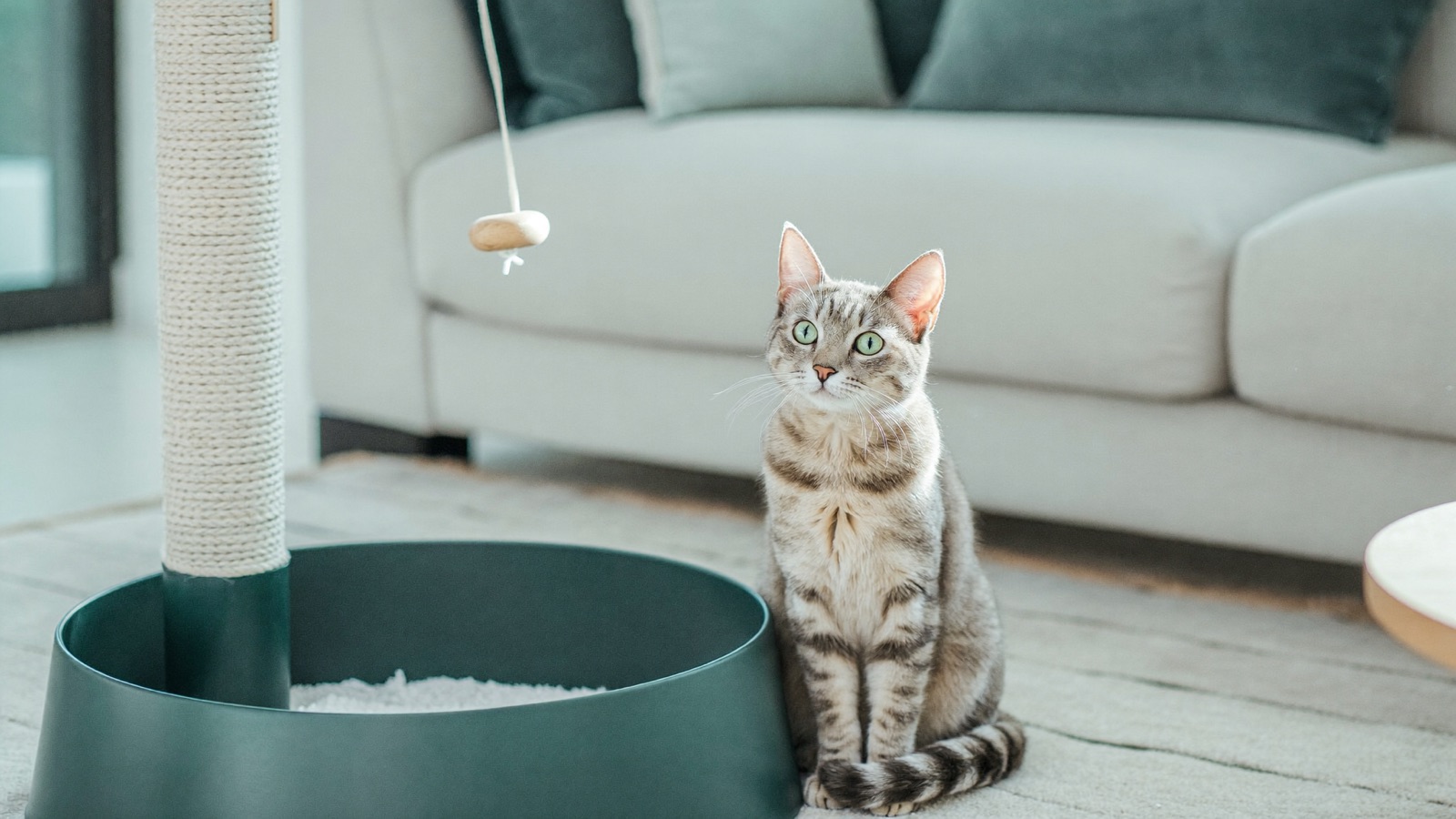
How stress shows up in cats
Cats are masters at masking discomfort, so signs can be subtle. Watch for:
- Hiding more or withdrawing from the family.
- Over-grooming to the point of bald patches, or under-grooming and a scruffy coat.
- Litter-box changes — going outside the box, or spraying.
- Appetite changes, up or down.
- Aggression, irritability, or excessive vocalizing.
- Scratching more or restlessness and poor sleep.
Many stress signs overlap with illness. Over-grooming, appetite loss, and litter-box changes can all be medical, so see your vet to rule out disease before assuming a behavior is purely stress.
Give every cat its own resources
A lot of feline stress comes from competition and scarcity, especially in multi-cat homes. Cats feel secure when they don't have to share or defend the essentials:
| Resource | Guideline |
|---|---|
| Litter boxes | One per cat, plus one extra, spread across the home. |
| Food & water | Separate stations; keep water away from food and litter. |
| Resting spots | Multiple beds and perches so each cat has a choice. |
| Vertical space | Cat trees, shelves and window perches to climb and survey. |
Spacing resources out prevents one cat from guarding them and lowers everyday tension.
Routine, safe spaces and play
Predictability is deeply reassuring to cats. A few habits make a big difference:
- Keep feeding, play and quiet times consistent day to day.
- Provide hiding spots — covered beds, boxes, or a quiet room — so a cat can retreat and feel safe.
- Offer high perches; being up high helps cats feel secure and in control.
- Play daily with wand toys to mimic hunting and burn nervous energy.
- Use food puzzles to engage natural foraging instincts.
Practical take: Enrichment isn't a luxury — for an indoor cat, mental and physical outlets are the backbone of a low-stress life.
Handle change gently
Moves, new pets, new people, renovations, and even rearranged furniture can unsettle a cat. Ease transitions by going slow:
- Introduce new cats gradually with scent swapping and separate spaces before face-to-face meetings — see how to introduce a new cat.
- Keep some familiar items (bedding, furniture) during a move so familiar scents remain.
- Give a new cat one safe room to settle into before opening up the house.
- Consider feline pheromone diffusers during stressful periods to create a calmer atmosphere.
When stress needs a vet
If your cat's stress signs are severe, persistent, or come on suddenly, talk to your vet. They'll first rule out medical causes — pain and illness are common hidden stressors — and can advise on behavioral therapy or, for true anxiety, medication as part of a broader plan. A veterinary behaviorist can help with stubborn cases.
Because stress is often about change over time, keeping a simple log of behavior, appetite, grooming and litter-box habits helps you catch a downward drift early and gives your vet a clear before-and-after picture to work from.
Catch stress before it becomes a problem
Tavi lets you log your cat's behavior, appetite, grooming and litter-box habits over time, so subtle stress signals surface early and you can share a clear history with your vet. Free for your first pet.
Frequently asked questions
What are the signs of a stressed cat?
Common signs include hiding, over- or under-grooming, going outside the litter box or spraying, appetite changes, increased aggression or vocalizing, and restlessness. Because many of these overlap with medical problems, it's wise to have your vet rule out illness first.
How can I reduce my cat's stress at home?
Provide a predictable routine, plenty of separated resources (litter boxes, food, water, beds), safe hiding spots and high perches, and daily play. Introduce any changes gradually, and consider feline pheromone diffusers during stressful periods like moves or new arrivals.
Can stress make my cat sick?
Yes. Chronic stress can contribute to problems like stress-related bladder inflammation, over-grooming, and appetite changes, and it can worsen existing conditions. Stress and illness also look similar, so persistent signs should be checked by a vet.
Do pheromone diffusers help calm cats?
Many owners and vets find synthetic feline pheromone products helpful for reducing stress-related behaviors, especially during changes like moving or introducing a new pet. They work best as one part of a broader plan that also addresses routine, resources and enrichment.
When should I see a vet about my cat's anxiety?
See your vet if stress signs are severe, persistent, or appear suddenly, since pain and illness are common hidden causes. Your vet can rule out medical problems and, for genuine anxiety, discuss behavior modification or medication, sometimes with a veterinary behaviorist.
Tavi's guides are informational and not a substitute for professional veterinary advice, diagnosis or treatment. When in doubt, call your veterinarian.