Senior Cat Health Checklist: Signs, Tests & Ages
Start here
Cats are generally considered senior from about 11 years, with age-related disease often starting around 7–10. Senior care means twice-yearly vet visits, yearly bloodwork and blood pressure, and a monthly home check of weight, appetite, thirst, litter box, mobility, coat and lumps — because older cats hide illness until it's advanced.
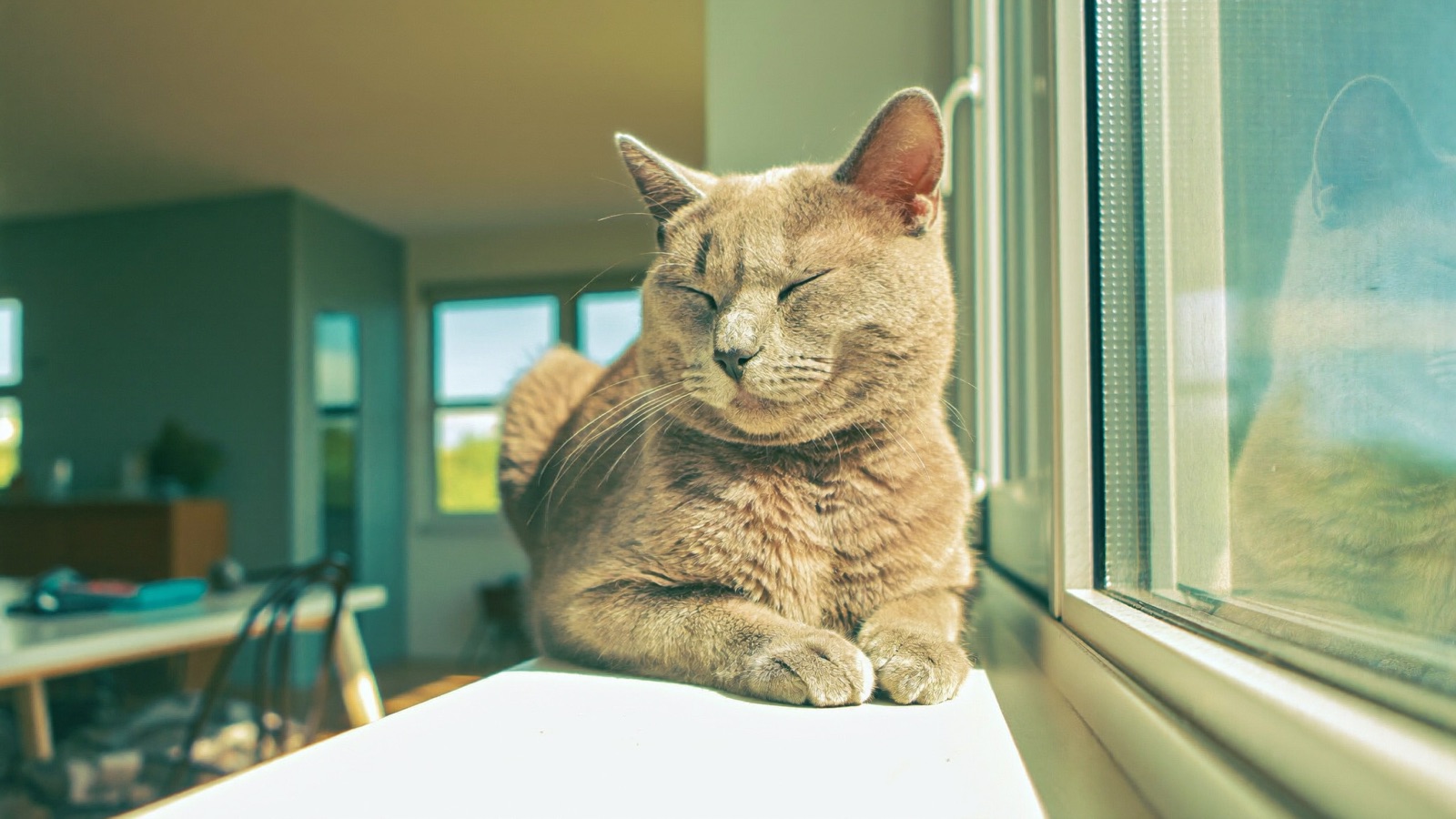
Older cats are wonderful, low-drama companions — which is exactly the problem. They mask illness so well that the common senior diseases often go unnoticed until they're advanced. The good news: nearly all of them are far more manageable when caught early, and catching them early is mostly about routine, not luck.
When is a cat "senior"?
Vets use life stages rather than a single cut-off. The widely used framework looks roughly like this:
| Life stage | Approx. age | Rough human equivalent |
|---|---|---|
| Kitten | 0–6 months | 0–10 years |
| Young adult | 1–6 years | ~15–40 years |
| Mature adult | 7–10 years | ~44–56 years |
| Senior | 11–14 years | ~60–72 years |
| Geriatric | 15+ years | 76 years and up |
Practical take: many vets start senior-style screening around age 7–10, because that's when the common age-related diseases begin to appear — well before a cat is officially "senior".
Common senior diseases & their subtle early signs
Most of these share the same quiet early clues — weight loss, more drinking, or doing less. That overlap is why screening and home monitoring beat waiting for an obvious symptom.
| Condition | Subtle early signs to watch for |
|---|---|
| Chronic kidney disease (CKD) | Increased thirst and urination, larger litter clumps, gradual weight loss, reduced appetite, poor coat, mild lethargy. |
| Hyperthyroidism | Weight loss despite a big appetite, restlessness, more thirst, vomiting, a greasy or unkempt coat, sometimes fast heart rate. |
| Diabetes mellitus | Increased thirst and urination, weight loss with a good appetite, later weakness in the hind legs or a flat-hocked stance. |
| Arthritis / joint pain | Hesitating to jump, taking stairs slowly, sleeping in easier-to-reach spots, grooming less, irritability when handled. |
| Dental disease | Bad breath, drooling, dropping food, chewing on one side, pawing at the mouth, eating less hard food. |
| High blood pressure (hypertension) | Often silent; may cause sudden vision loss or dilated pupils. Frequently linked to kidney disease or hyperthyroidism, so it's checked alongside them. |
Recommended vet & bloodwork cadence
- Vet check-up every 6 months for senior cats (rather than yearly) — a cat ages faster than we do, so a lot can change in a year.
- Annual bloodwork and urine test at minimum — often moving to every 6 months for cats with a known condition or borderline results. A senior panel typically covers kidney and liver values, thyroid (T4), blood glucose, electrolytes and a complete blood count.
- Blood-pressure check at senior visits, since hypertension is common and usually silent.
- Dental assessment at each visit; your vet may recommend a professional cleaning under anaesthetic.
- Keep vaccines and parasite prevention on schedule, tailored to your cat's lifestyle and health.
Exact recommendations vary with your individual cat — your vet will tailor the cadence to their findings.
Your printable monthly home checklist
You see your cat every day; your vet sees them twice a year. Between visits, a quick monthly run-through catches trends early. Do these once a month, jot down the results, and compare month to month — the trend is what matters, not any single reading.
- Weight — weigh at home (hold your cat on a scale and subtract your weight, or use a baby scale). Note the number and compare to last month.
- Appetite — finishing meals as usual? Eating faster, slower, or leaving food?
- Thirst & water — drinking noticeably more (a key early kidney/diabetes sign)? Refilling the bowl more often?
- Litter box — bigger or more frequent urine clumps, straining, accidents outside the box, or any change in stool?
- Mobility — still jumping to favourite spots, using stairs, and moving freely? Any stiffness or hesitation?
- Coat & grooming — coat glossy and well-kept, or dull, greasy or matted (a sign of under-grooming)?
- Lumps & body — gently run your hands over the body for new lumps, and feel the ribs and spine for changes in condition.
- Behaviour — hiding more, vocalising at night, disoriented, or interacting less than usual?
- Eyes, mouth & breath — clear bright eyes, no bad breath or drooling, gums a healthy pink?
Don't wait for the next check-up — call your vet promptly if you notice: a clear jump in thirst or urination, ongoing weight loss, not eating for 24+ hours, repeated vomiting or diarrhoea, laboured breathing, sudden vision loss or bumping into things, difficulty or straining to urinate, or sudden weakness or collapse (an emergency).
Turn the monthly check into a trend you can see
Tavi keeps your senior cat's weight, appetite, thirst, meds and vet visits in one place and charts them over time — so subtle age-related changes surface early, and you walk into that 6-month visit with a clear history. Free for your first pet.
Frequently asked questions
At what age is a cat considered senior?
Under common veterinary life-stage guidelines, cats are "mature" from about 7–10 years, "senior" from about 11–14, and "geriatric" at 15 and older. Many vets begin senior-style screening around age 7–10, since that's when age-related diseases start to appear.
How often should a senior cat see the vet?
Most vets recommend a check-up every 6 months for senior cats, rather than yearly, plus annual (or more frequent) bloodwork and a urine test. Twice-yearly visits catch age-related disease earlier, when it's most treatable.
What are the most common health problems in older cats?
The most common are chronic kidney disease, hyperthyroidism, diabetes, arthritis, dental disease and high blood pressure. Many share subtle early signs — weight loss, more thirst, or reduced jumping — which is why routine screening and home monitoring matter.
What bloodwork do senior cats need?
A typical senior panel includes kidney and liver values, thyroid hormone (T4), blood glucose, electrolytes and a complete blood count, along with a urine test and a blood-pressure check. Your vet may run these yearly or every 6 months depending on your cat's health.
How can I tell if my senior cat is in pain?
Cats rarely limp obviously. Arthritis in older cats shows as hesitating to jump, taking stairs slowly, sleeping in easier-to-reach spots, grooming less, or being grumpier when handled. Any of these is worth raising with your vet, as pain is very treatable.
How often should I weigh my senior cat?
Monthly is ideal for senior cats. Weight loss is one of the earliest and most reliable signs of the common senior diseases, and it's usually invisible by eye — a recorded monthly weight makes a downward trend obvious well before it's advanced.
Tavi's guides are informational and not a substitute for professional veterinary advice, diagnosis or treatment. Please work with your veterinarian on your senior cat's care plan — when in doubt, call.
Sources
- Cornell Feline Health Center
- American Association of Feline Practitioners (AAFP) / AAHA Feline Life Stage Guidelines
- VCA Hospitals
- Merck Veterinary Manual