Managing Arthritis in Senior Dogs & Cats
Start here
Arthritis is a common, progressive joint disease in older dogs and cats — it can't be reversed, but it can be managed well. The most effective plan combines keeping your pet lean, appropriate exercise, vet-prescribed pain relief, and a joint-friendly home. Because cats and stoic dogs hide pain, subtle changes — slowing on stairs, less jumping, stiffness after rest — are often the first and only clues.
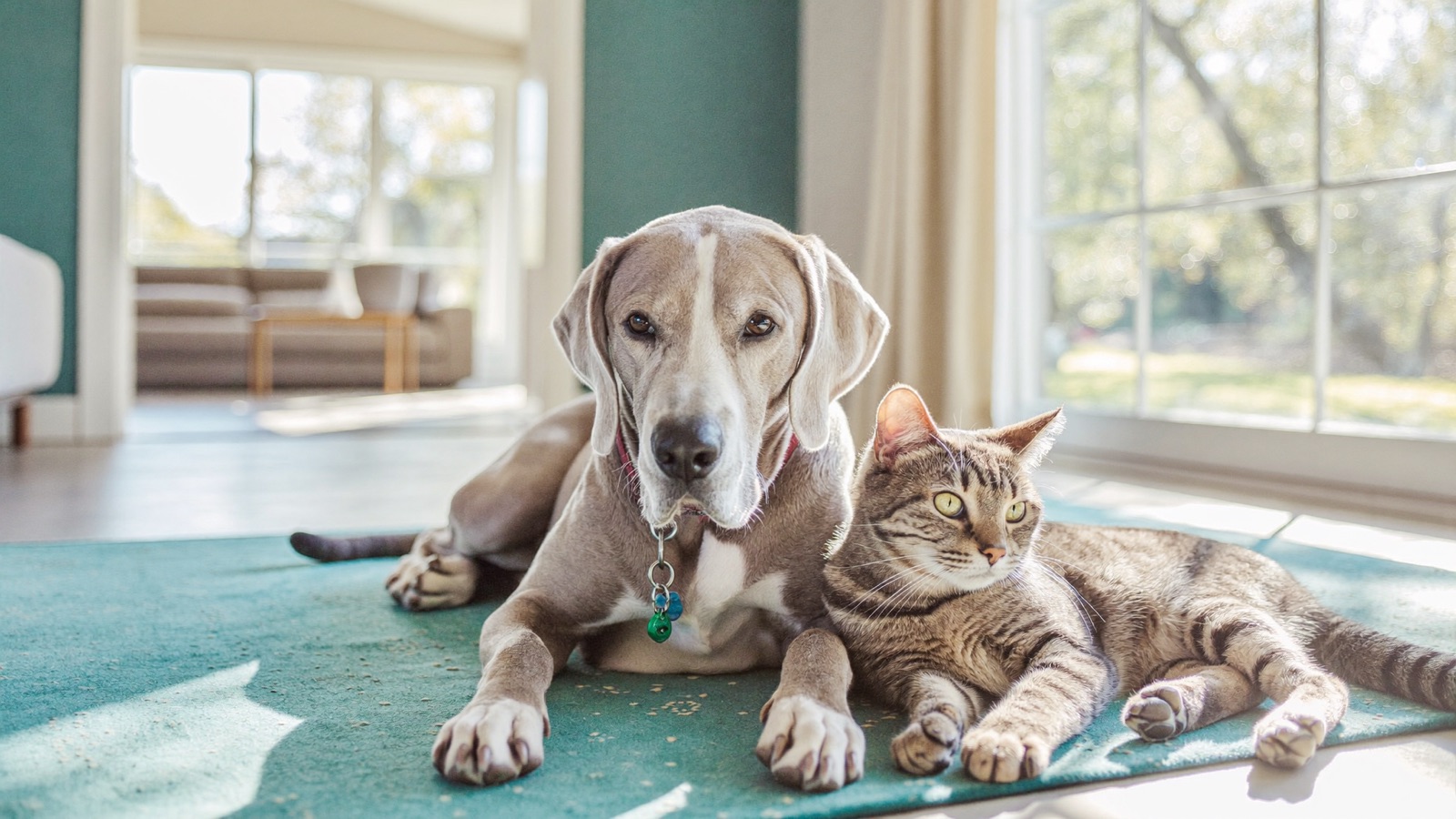
How arthritis shows up in older pets
Osteoarthritis is the gradual breakdown of cartilage in the joints, leading to pain, stiffness and reduced range of motion. It's very common in senior dogs and cats, yet it's easy to miss because pets rarely yelp — they just quietly do less.
In dogs, watch for stiffness when getting up, reluctance on stairs or jumping into the car, slowing on walks, limping (especially after rest or cold weather), and licking at a joint. In cats, signs are even subtler: no longer jumping to favorite high spots, hesitating at the litter box, a scruffy coat from reduced grooming, hiding, or irritability when touched. For dogs specifically, our arthritis in dogs guide goes deeper.
Weight is the biggest lever you control
Extra weight makes arthritis worse. Every excess pound adds load and inflammation to already-sore joints. Keeping a pet lean is one of the most powerful, cheapest and safest things you can do for their comfort — often as impactful as medication.
If your pet is carrying extra weight, a vet-guided weight-loss plan can dramatically reduce pain and slow the disease. You should be able to feel the ribs easily and see a waist from above. Not sure where your pet stands? See is my dog overweight for the body-condition basics.
Medications and vet-guided treatment
Pain control is the heart of arthritis care, and it should always run through your vet — never give human pain relievers, as many (including ibuprofen, naproxen and acetaminophen) are toxic to pets, and acetaminophen can be fatal to cats. Common vet-directed options include:
- NSAIDs designed for pets — the mainstay for dogs; used more cautiously in cats.
- Anti-nerve-growth-factor injections (monoclonal antibodies) — a newer monthly option for dogs and cats.
- Joint supplements (omega-3 fatty acids, glucosamine/chondroitin) as an add-on.
- Adjuncts like physical therapy, hydrotherapy, laser therapy, acupuncture and, for some dogs, prescription joint diets.
Plans are tailored to the individual and adjusted over time, especially in pets with kidney, liver or other conditions that affect which drugs are safe.
Making home arthritis-friendly
Small changes around the house reduce daily strain and help pets stay mobile and independent:
| Problem | Simple fix |
|---|---|
| Slippery floors | Runners, rugs or yoga mats for traction; keep nails trimmed. |
| Hard to reach the couch or bed | Pet ramps or steps. |
| Cold, thin bedding | A supportive orthopedic bed in a warm, draft-free spot. |
| High-sided litter box (cats) | A box with a low entry; keep it on the main floor. |
| Raised food and water bowls | Reduce neck and joint strain while eating. |
Keep exercise gentle, regular and low-impact — short, frequent leash walks for dogs and play that encourages easy movement for cats beat weekend overexertion.
Why tracking mobility matters
Arthritis progresses slowly, and pets hide it, so the changes that matter appear as trends, not single moments. Jotting down when your dog hesitates on stairs, how far they'll walk, whether your cat is jumping up again, and weight over time turns a vague sense that they're "slowing down" into something your vet can act on.
That record also shows whether a new medication is actually helping — improvement can be gradual and easy to second-guess. Bring a mobility and weight history to each recheck and the plan gets tuned to what's really happening, not to how your pet happened to look on exam day.
See whether the joint plan is really working
Tavi logs your pet's weight, mobility notes and medications and charts them over time, so you can tell if arthritis is progressing or a new treatment is helping — and share a clear history with your vet. Free for your first pet.
Frequently asked questions
What are the first signs of arthritis in senior pets?
In dogs, look for stiffness getting up, reluctance to use stairs or jump, slowing on walks, and limping after rest. In cats, watch for no longer jumping to high spots, hesitating at the litter box, less grooming, and hiding. These subtle changes often appear well before obvious limping.
Can arthritis in pets be cured?
No, osteoarthritis is progressive and can't be reversed, but it can be managed effectively. Keeping your pet lean, appropriate exercise, vet-prescribed pain relief and a joint-friendly home can keep many pets comfortable and active for a long time.
What can I give my dog or cat for arthritis pain?
Only medications prescribed or approved by your vet. Never give human pain relievers like ibuprofen, naproxen or acetaminophen, as they can be toxic and even fatal, especially acetaminophen in cats. Your vet can prescribe pet-safe NSAIDs, injectable options and supplements.
Does weight loss help arthritis in pets?
Yes, significantly. Excess weight adds mechanical load and inflammation to sore joints, so getting an overweight pet to a lean body condition often reduces pain as much as medication does. It's one of the safest and most effective steps you can take.
Is arthritis common in cats?
Very. Most senior cats have some degree of arthritis, but it's badly underdiagnosed because cats hide pain so well. Instead of limping, they simply stop jumping, groom less, or become withdrawn, so subtle behavior changes are worth mentioning to your vet.
Tavi's guides are informational and not a substitute for professional veterinary advice, diagnosis or treatment. When in doubt, call your veterinarian.