How Often Should a Dog Go to the Vet?
Start here
It depends on life stage. Puppies visit every three to four weeks until about 16 weeks, healthy adults go at least once a year, and senior dogs benefit from twice-yearly check-ups. Go sooner any time your dog shows warning signs — dogs hide illness well, so regular exams catch problems early.
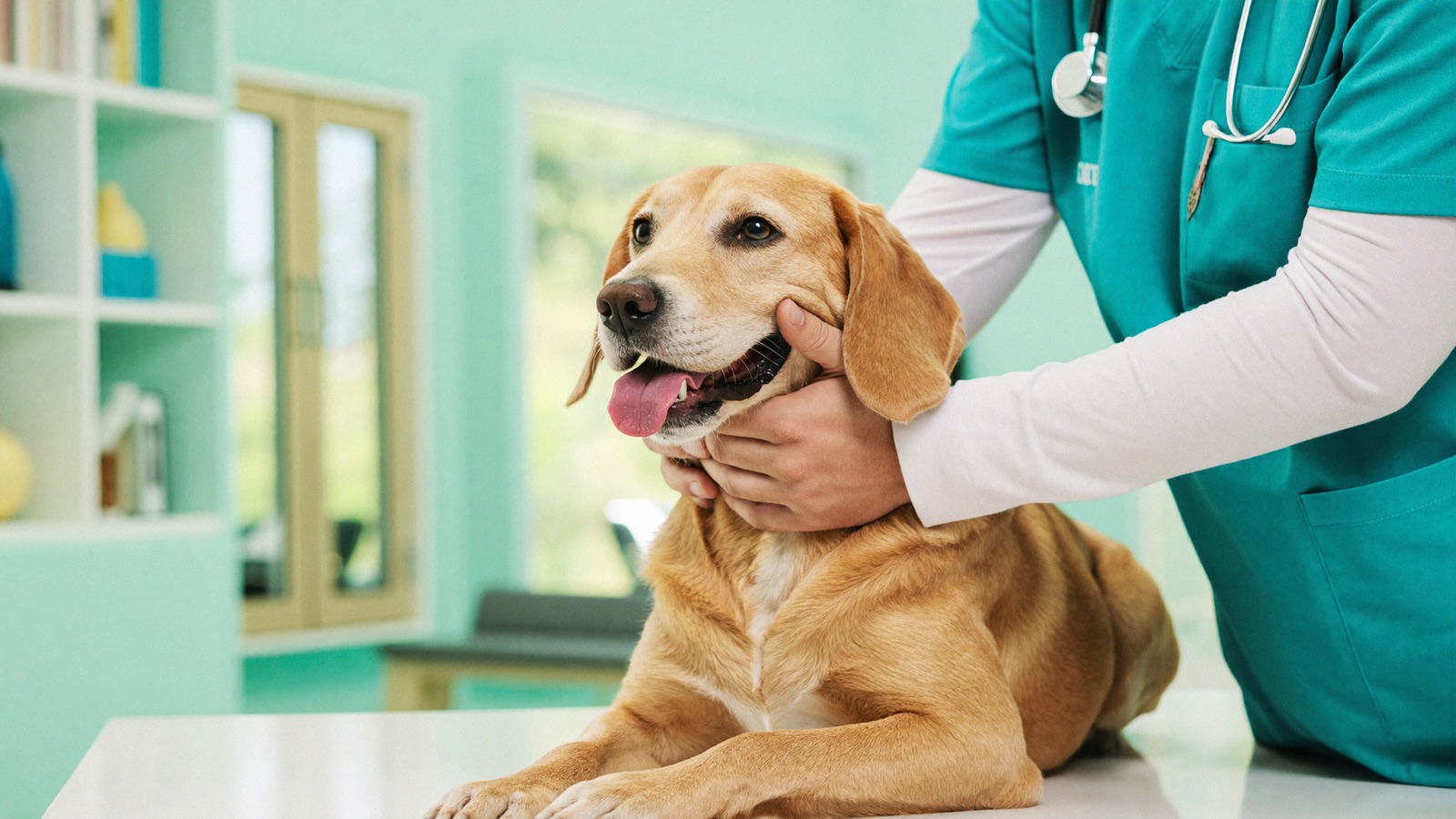
Dogs are experts at hiding when something is wrong — an instinct left over from their wild ancestors. That is exactly why routine vet visits matter: a wellness exam can spot a problem long before you would notice it at home. How often you go changes with your dog's life stage.
Vet visit schedule by life stage
The frequencies below follow the general pattern in the AAHA Canine Life Stage Guidelines. They are a starting point — your vet may recommend more frequent visits for your individual dog's breed, size or health.
| Life stage | Typical age | How often to visit |
|---|---|---|
| Puppy | Up to ~1 year | Every 3–4 weeks from ~6–8 to ~16 weeks for the vaccine series, then a visit around neutering |
| Young & adult | ~1–7 years | At least once a year; some vets advise twice a year |
| Senior | ~7+ years (sooner for large/giant breeds) | Twice a year, often with screening bloodwork |
| Any stage, if unwell | — | As soon as warning signs appear (see below) |
Puppies: frequent early visits
Puppyhood is the busiest time for the vet. From around 6 to 8 weeks, puppies come in every three to four weeks until about 16 weeks to complete their core vaccine series and deworming, with each visit building lasting immunity. These early appointments are also when your vet checks growth, discusses microchipping, flea and worm control, diet and, later, neutering. After the puppy course, most dogs have a visit around neutering time and then move to an annual schedule as young adults.
Adult dogs: at least once a year
For a healthy adult, roughly one to seven years old, the baseline is an annual wellness exam. A year is a long time in a dog's life — the equivalent of several human years — so a lot can change, and the yearly visit keeps vaccinations and parasite prevention current while giving your vet a chance to catch subtle changes. Some vets suggest twice-yearly visits even for adults, particularly for breeds prone to certain conditions.
Senior dogs: twice a year
Once a dog reaches its senior years, the AAHA recommends stepping up to twice-yearly exams. There are two reasons. First, dogs age far faster than we do, so six months for a senior dog is a meaningful stretch in which health can change. Second, age-related conditions — arthritis, kidney and heart disease, dental problems, diabetes, some cancers — are common and often silent at first. Six-monthly check-ups, usually paired with screening bloodwork and urine tests, catch these early, when they are easier, cheaper and kinder to manage.
What a wellness exam includes
A routine visit is more thorough than it might look. A typical wellness exam covers:
- Weight and body condition — tracking the trend and checking your dog is neither over nor underweight.
- Heart and lungs — listening for murmurs, irregular rhythms or breathing changes.
- Eyes, ears, nose and mouth — including dental health, a very common source of hidden pain.
- Skin and coat — lumps, parasites, allergies and infections.
- Joints and mobility — early signs of arthritis or stiffness.
- Abdomen — feeling for anything abnormal in the organs.
- Vaccines and parasite prevention — updated as due.
- A conversation — about diet, behaviour, exercise and anything you have noticed. This is often where problems first surface, so mention even small changes.
- Screening tests — bloodwork, urine or other tests, especially for senior dogs, to catch disease before symptoms show.
Keep vet visits on schedule
Tavi tracks your dog's check-ups, vaccines and weight, and reminds you when the next wellness exam — or a senior twice-yearly visit — is due. Free for your first pet.
When to go sooner
Routine visits are the baseline, not the whole story. Contact your vet promptly — do not wait for the next check-up — if you notice:
- Repeated vomiting or diarrhoea, or any blood in either
- Not eating for more than a day, or a sudden drop in appetite
- Noticeable weight loss or gain
- Drinking or urinating much more or less than usual, or straining to urinate
- Lethargy, weakness or collapse
- Limping, stiffness or apparent pain
- New lumps, or a wound that will not heal
- Changes in behaviour, confusion or restlessness
Frequently asked questions
How often should a healthy adult dog go to the vet?
Most healthy adult dogs, roughly one to seven years old, should have a full wellness exam at least once a year. Some vets suggest twice a year even for adults, because a lot can change in twelve months and dogs are good at hiding illness. The annual visit also keeps vaccinations and parasite prevention up to date.
How often do puppies need to go to the vet?
Puppies visit frequently at first — usually every three to four weeks from about 6 to 8 weeks until around 16 weeks — to complete their vaccine series and deworming. After the puppy course, most have a visit around neutering time and then settle into an annual wellness schedule as young adults.
Why do senior dogs need to go twice a year?
The American Animal Hospital Association recommends twice-yearly exams for senior dogs because they age faster than humans and problems can develop quickly between visits. Six-monthly check-ups, often with screening bloodwork, help catch arthritis, kidney, heart, dental and other age-related conditions early, when they are easier and cheaper to manage.
When is a dog considered a senior?
It depends on size. Small dogs often become seniors around 7 to 10 years, medium dogs around 7, large breeds around 6, and giant breeds as early as 5. Because larger dogs age faster, ask your vet when your individual dog should switch to a senior wellness schedule with more frequent checks.
What happens during a dog wellness exam?
A wellness exam is a nose-to-tail physical: your vet checks weight and body condition, heart and lungs, eyes, ears, mouth and teeth, skin and coat, joints, and abdomen. They update vaccines and parasite prevention, discuss diet and behaviour, and may recommend bloodwork or other screening, especially for older dogs.
When should I take my dog to the vet sooner?
Do not wait for the next check-up if your dog shows warning signs: repeated vomiting or diarrhoea, not eating for more than a day, sudden weight change, difficulty breathing, collapse, severe pain, a bloated belly, seizures, trouble urinating or trauma. Some of these are emergencies — contact your vet or an emergency clinic straight away.
Tavi's guides are informational and not a substitute for professional veterinary advice, diagnosis or treatment. Visit frequency should be tailored to your individual dog by your own veterinarian, who can account for breed, size and health. If your dog shows emergency signs, seek immediate veterinary care. Sources include the American Animal Hospital Association (AAHA) Canine Life Stage Guidelines, the American Veterinary Medical Association (AVMA), the Merck Veterinary Manual, PetMD and Preventive Vet.