Dog Diarrhea: When to Worry vs. Wait
Start here
One or two loose stools in a dog who is otherwise bright, eating and drinking is usually fine to watch at home with a bland diet. Worry — and call your vet — if it lasts beyond 48 hours, keeps returning, or comes with blood, vomiting, lethargy or a young puppy.
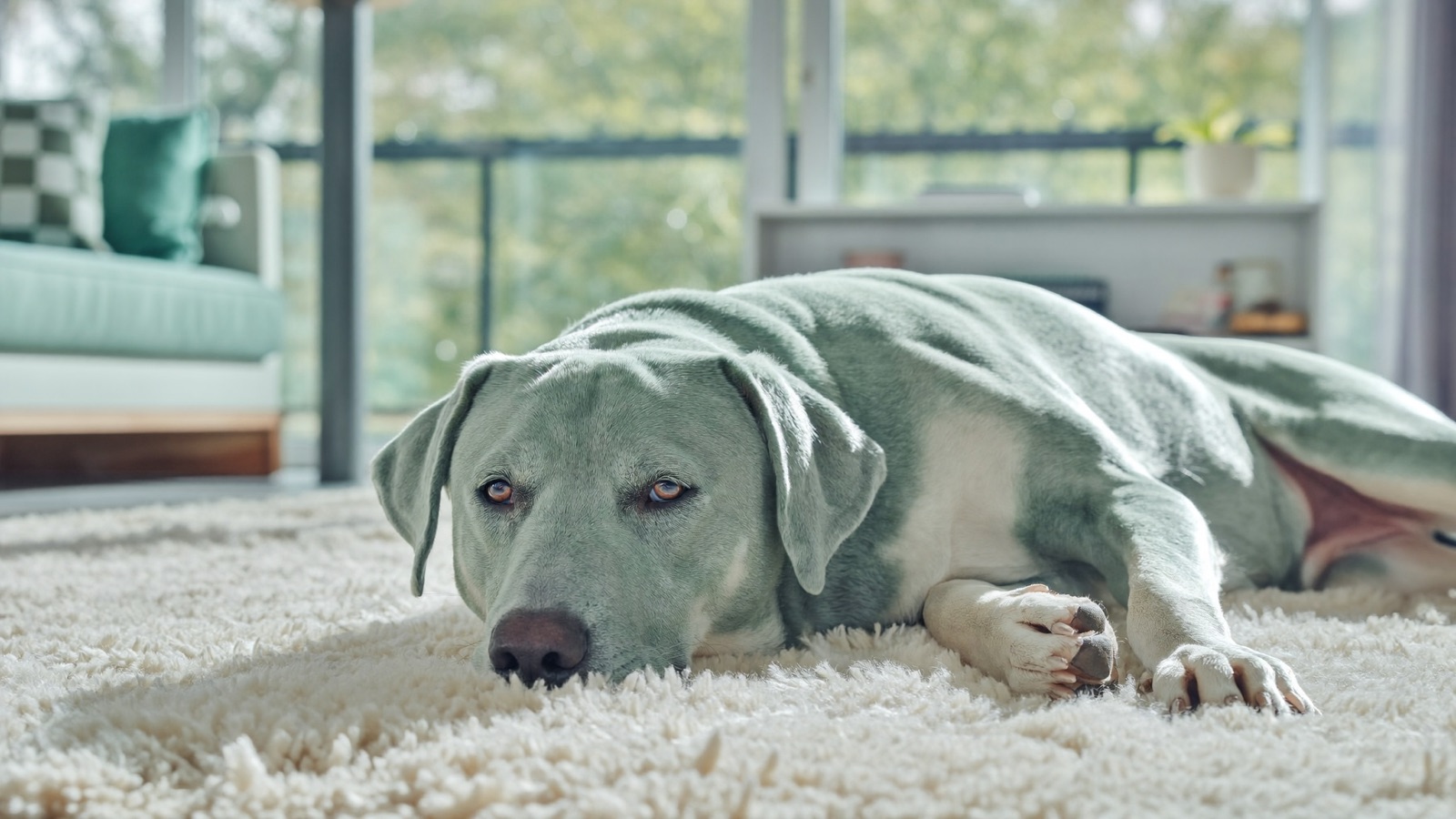
Diarrhea is one of the most common reasons dogs see a vet, and much of it is mild and self-limiting. The skill is telling a passing upset apart from something that needs help. This guide walks you through the causes, safe home care, and how to decide your next move.
Acute vs. chronic diarrhea
How long it has been going on is one of the most useful clues:
- Acute diarrhea comes on suddenly and lasts less than a couple of days. It is usually caused by dietary indiscretion (eating something new, rich, spoiled or off the ground), a diet change, stress, or a mild infection. Most cases settle on their own or with simple home management.
- Chronic diarrhea lasts more than about two to three weeks, or comes and goes repeatedly. Even if your dog seems well between bouts, this pattern points to an ongoing cause — food intolerance, parasites, inflammatory bowel disease, pancreatic problems or other conditions — and deserves a vet work-up.
Common causes of dog diarrhea
| Cause | What to know |
|---|---|
| Dietary indiscretion | The classic culprit — table scraps, garbage, a rich treat, or something scavenged on a walk. Often mild and short-lived. |
| Diet change | Switching food too quickly upsets the gut. New foods are best introduced gradually over 5–7 days. |
| Stress | Travel, boarding, a new home or routine change can trigger short-lived "stress colitis," sometimes with mucus or a little fresh blood. |
| Parasites | Worms, giardia and other parasites are common, especially in puppies. A stool sample lets your vet check. |
| Infections | Bacterial or viral infections, including parvovirus in unvaccinated puppies, which is an emergency. |
| Toxins & medicines | Some foods, plants, chemicals and medications cause diarrhea. If poisoning is possible, call your vet or poison control. |
| Underlying disease | Ongoing or recurring diarrhea can reflect food allergies, IBD, or organ problems — these need veterinary diagnosis. |
Your triage: monitor, call, or go now
| Tier | What you're seeing | What to do |
|---|---|---|
| Monitor at home | One or two loose stools; dog is bright, alert, drinking, eating; no blood; no toxin or object suspected; an adult dog in good health. | Offer water, a bland diet in small portions, and rest. Keep watching for 24–48 hours. |
| Call your vet | Diarrhea lasting beyond 48 hours, returning repeatedly, small streaks of blood or mucus, mild lethargy, off food, a puppy or senior, or a known health condition. | Phone your vet for advice and likely a same-day or next-day appointment; a stool sample often helps. |
| Emergency — go now | Lots of blood or black tarry stool, repeated vomiting too, a bloated painful belly, collapse or severe lethargy, pale gums, dehydration, suspected poison, or an unvaccinated puppy going flat. | Go straight to a vet or emergency clinic. Call ahead if you can. |
Red flags to take seriously
- Blood: fresh red blood, or dark, black, tarry stool (digested blood). A little streak in one stool of an otherwise-well dog is often stress colitis, but repeated or large amounts need a vet.
- Puppies: diarrhea in a young, unvaccinated puppy — especially with blood, vomiting or lethargy — can mean parvovirus, which is a medical emergency.
- Dehydration: sunken eyes, dry or tacky gums, lethargy, or skin that stays "tented" when gently lifted. Puppies and small dogs dehydrate quickly.
- Vomiting with diarrhea, a painful or swollen belly, collapse, or pale gums.
- Suspected poison — call your vet or ASPCA Animal Poison Control at (888) 426-4435 (a fee may apply); have the product to hand.
Caring for a mild upset at home
Only if your dog is otherwise well and you've ruled out the red flags above:
- Rest the gut briefly. Many vets suggest withholding food for around 6–12 hours in healthy adult dogs — but do not fast puppies, seniors, or dogs with health conditions without veterinary advice.
- Keep water available. Offer small, frequent amounts so your dog stays hydrated.
- Feed a bland diet. A common choice is plain boiled chicken or lean meat with white rice (roughly a 1:1 mix), given in small portions every few hours.
- Transition back slowly. Over two to three days, mix the bland food with your dog's normal diet in increasing amounts.
- Skip human medicines unless your vet advises them — some are unsafe for dogs and can mask a serious problem.
- If diarrhea persists beyond 48 hours, worsens, or any red flag appears, contact your vet.
Keep a symptom log your vet will thank you for
With Tavi you can note when the diarrhea started, what it looked like, and what your dog has eaten — so if you do call the vet, the full picture is right there. Free for your first pet.
Frequently asked questions
My dog has diarrhea but is acting normal — should I worry?
A single loose stool in a dog who is otherwise bright, alert, eating and drinking is usually not an emergency. Many mild cases settle in a day or two with a bland diet and rest. Call your vet if diarrhea keeps going beyond 24 to 48 hours, repeats often, or any red-flag sign appears.
When is dog diarrhea an emergency?
Seek emergency care for large amounts of blood, black tarry stool, diarrhea with repeated vomiting, a bloated or painful belly, weakness, collapse or pale gums, signs of dehydration, or diarrhea in a young puppy or very small dog. These can point to problems such as parvovirus, poisoning, a blockage or shock.
What can I feed my dog with diarrhea?
If your dog is otherwise well, many vets suggest a short rest for the gut followed by a bland diet such as plain boiled chicken or lean meat with white rice, in small frequent portions, then a gradual return to normal food over a few days. Always keep water available and check with your vet before fasting puppies or seniors.
How long should dog diarrhea last?
Acute diarrhea often improves within 24 to 48 hours with simple home care. Diarrhea that lasts beyond a couple of days, keeps coming back, or continues for two to three weeks or more is considered chronic and deserves a vet visit to look for an underlying cause.
Can I give my dog human anti-diarrhea medicine?
Do not give human medicines without veterinary advice. Some over-the-counter products are unsafe for dogs, can be dangerous in certain breeds, and may mask a serious problem. Call your vet first — they can recommend a safe option and the right dose if one is needed.
Why does my dog have diarrhea at night or suddenly?
Sudden diarrhea is most often caused by dietary indiscretion — eating something new, spoiled or off the ground — plus stress, a diet change, infections or parasites. If your dog is otherwise well, monitor and use a bland diet; if it repeats, contains blood, or comes with other symptoms, contact your vet.
Tavi's guides are informational and not a substitute for professional veterinary advice, diagnosis or treatment. Diarrhea can have many causes, some serious — if you are ever unsure, or your dog shows any red-flag sign, contact your veterinarian or an emergency clinic right away. When in doubt, call your vet or the ASPCA Animal Poison Control Center at (888) 426-4435 (a fee may apply). Sources include PetMD, the American Kennel Club (AKC), VCA Animal Hospitals, the Merck Veterinary Manual, and the ASPCA.