How to Never Miss Your Pet's Medication
Start here
The reliable trick is to attach each dose to a habit you already have — breakfast, the evening walk — and back it up with a visible pill organizer and a reminder. If you do miss a dose, give it as soon as you remember, never double up, and call your vet when in doubt.
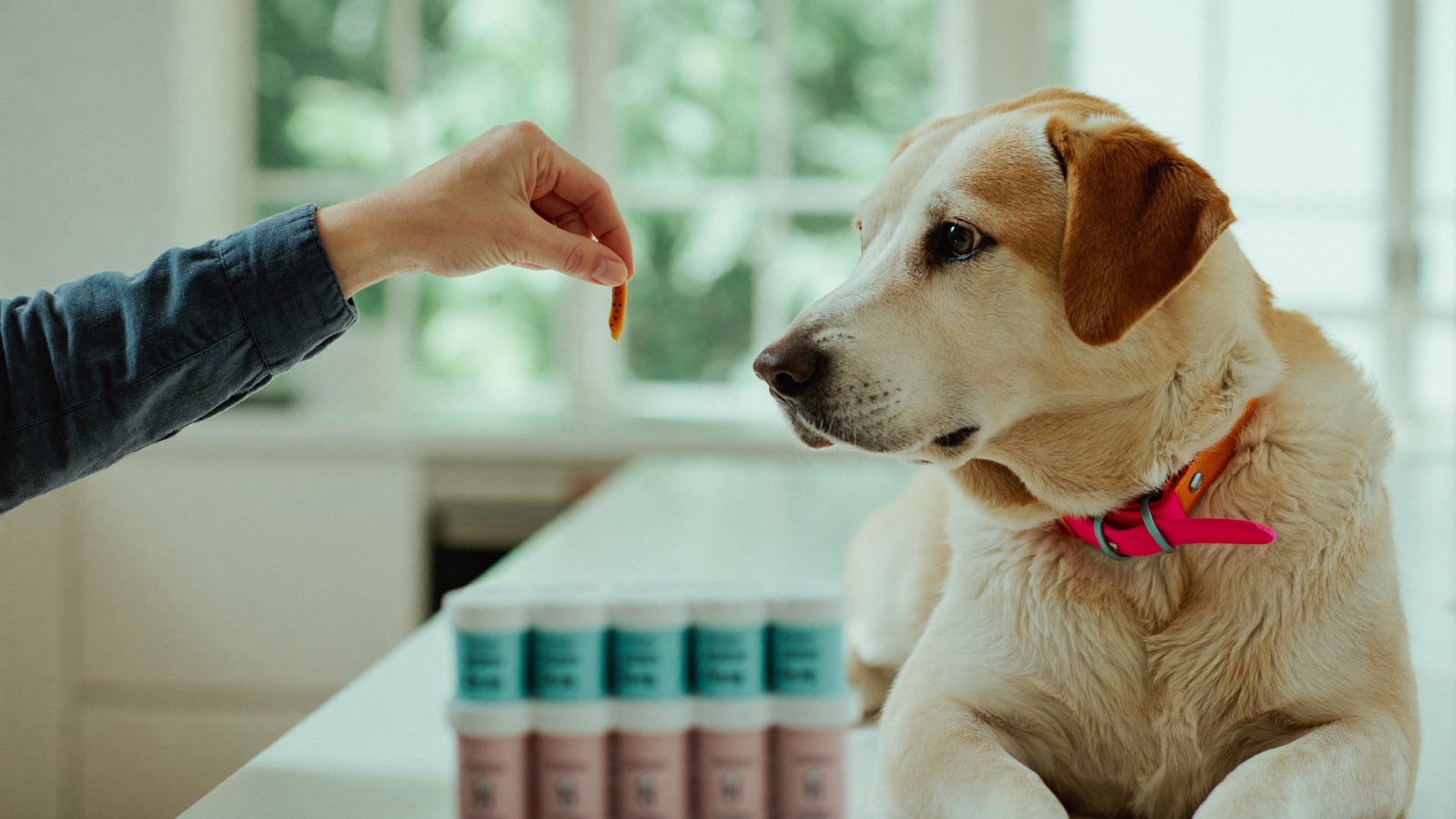
Remembering medication isn't about willpower — it's about building a system that catches the dose even on a chaotic day. Here's how to make adherence almost automatic, and what to do on the days it still slips.
Why staying on schedule matters
Different medications forgive lateness differently, but consistency protects your pet in real ways:
- Heartworm prevention works by clearing the parasite at an early stage, so it relies on regular monthly dosing. Gaps can open a window where an infection takes hold — and heartworm is far easier to prevent than to treat.
- Flea and tick prevention loses cover at the end of its interval. A late dose can mean an infestation or exposure to tick-borne disease during the gap.
- Antibiotics and other courses need the full course, on time, to fully clear an infection. Missed or stopped-early doses can let bacteria rebound and contribute to antibiotic resistance.
- Ongoing medications for conditions like pain, heart disease, seizures or thyroid problems keep a steady drug level in the body — irregular dosing can let symptoms break through.
A system that makes doses hard to forget
1. Pair the dose with an existing habit
The strongest reminder is a routine you already never skip. Tie the medication to your dog's breakfast, your morning coffee, or the last walk of the night. "Meds with the evening meal" is far stickier than a vague intention to remember.
2. Make it easy to give
- Use pill pockets, a small amount of food, or hide the tablet in a treat — many dogs and cats take medication far more willingly this way (check first that it can be given with food).
- Keep the medication where the habit happens — by the food bin or the lead — so it's in sight at the right moment.
- For fiddly liquids or injections, prepare a small routine and spot so it's quick every time.
3. Add a visible tracker
- A pill organizer gives an at-a-glance answer to "did I already give it?" — invaluable in multi-person households.
- A wall calendar or fridge chart to tick, especially for monthly preventives that are easy to lose track of.
- A shared note so everyone in the house knows whether the dose is done — double-dosing happens when two people each think the other forgot.
4. Set reminders that actually reach you
Phone alarms, recurring calendar events, or a pet-care app that nudges you before each dose. Repeating reminders beat one-off ones, and an app that logs the dose as done removes the "did I?" doubt entirely.
Turn every dose into a reminder you can't miss
Tavi tracks each pet's medications, heartworm and flea/tick preventives and vaccines, reminds you before each is due, and lets you tick it done so the whole household stays in sync. Free for your first pet.
If you miss or are late with a dose
First, don't panic — a single missed dose is rarely a crisis. The right move depends on the medication, so here's general guidance. When in doubt, or for anything critical, call your vet or check the product leaflet.
| Medication type | If you miss / are late |
|---|---|
| Heartworm prevention (monthly) | Give as soon as you remember and resume the monthly schedule from that date. If more than about two weeks late, ask your vet whether heartworm testing is advised. Don't double up. |
| Flea & tick prevention | Give the missed dose promptly to restore cover, then continue the normal interval. Watch for fleas or ticks during any gap. Don't give two doses at once. |
| Antibiotics / short courses | Give the missed dose when you remember, unless it's almost time for the next — then skip it and continue. Never double up. Finish the whole course even if your pet seems better. |
| Ongoing daily meds (heart, thyroid, pain, etc.) | Usually give when remembered if reasonably close to the missed time; if near the next dose, skip and carry on. Some drugs are stricter, so confirm with your vet. |
| Seizure / critical medications | Follow your vet's specific instructions — these can be time-sensitive. Contact your vet promptly if a dose is missed and you're unsure. |
Frequently asked questions
What should I do if I miss a dose of my dog's medication?
As a general rule, give the missed dose as soon as you remember, then continue the normal schedule. Never double up to make up for a missed dose. What matters most varies by medication, so if you're unsure, or the drug is critical, call your vet or check the medication's leaflet for specific advice.
What happens if I'm late giving heartworm or flea and tick prevention?
Give the dose as soon as you remember and resume the monthly schedule from that date. A short gap can leave a protection window, so for heartworm prevention in particular, ask your vet whether testing is needed if you're more than a couple of weeks late. Don't double dose.
Is it bad to skip a dose of antibiotics?
Antibiotic courses work best when completed on time and in full, so missed doses can let an infection rebound or contribute to resistance. Give a missed dose when you remember unless it's nearly time for the next one, then continue. Don't stop early even if your pet seems better. Ask your vet if unsure.
How can I remember to give my pet medication?
Pair the dose with an existing daily habit like breakfast or the evening walk, keep the medication somewhere visible, set phone or app reminders, and use a pill organizer or a simple calendar tick. Building the dose into a routine you already have is the most reliable method.
Can I double the dose if I forgot yesterday?
No. Doubling up to catch up can cause overdose and is not recommended for most medications. Give a single normal dose when you remember and return to the usual schedule. If you've missed several doses or aren't sure how to get back on track, contact your vet for guidance.
Tavi's guides are informational and not a substitute for professional veterinary advice, diagnosis or treatment. Guidance on missed doses is general — always follow the specific instructions from your veterinarian and the medication's leaflet, and contact your vet if you're unsure or your pet seems unwell. Sources include PetMD, the American Animal Hospital Association (AAHA), Preventive Vet, the American Heartworm Society and the Merck Veterinary Manual.