Signs of Heatstroke in Dogs + What to Do
Start here
Heatstroke in dogs is a life-threatening emergency. Early signs are heavy panting, thick drool, bright red gums and restlessness; severe signs include stumbling, vomiting, collapse and seizures. Start cooling your dog with cool (not ice-cold) water and get to a vet immediately. Flat-faced breeds and dogs in hot cars are especially at risk.
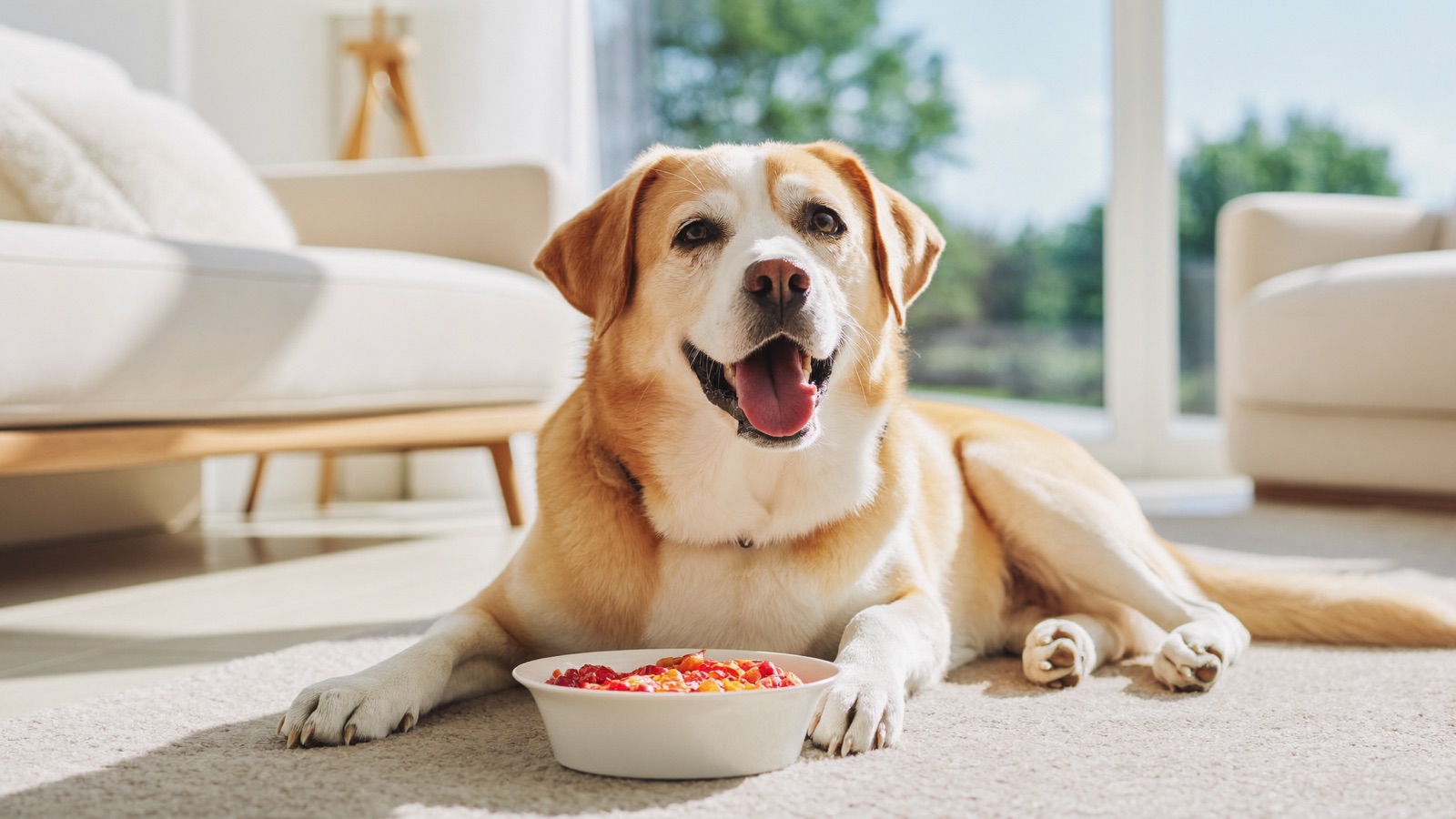
Dogs can't sweat like we do — they cool themselves mainly by panting, which fails fast in heat and humidity. Heatstroke can develop quickly and damage organs, so knowing the signs and the right cooling steps is genuinely lifesaving.
Early to severe signs
| Stage | What you may see |
|---|---|
| Early (heat stress) | Heavy, frantic panting; thick, ropey drool; bright red gums and tongue; restlessness; seeking water; fast heart rate. |
| Worsening | Weakness, wobbliness or stumbling; glazed or anxious look; vomiting or diarrhea (sometimes bloody); very warm to the touch. |
| Severe (emergency) | Collapse, unable to stand; confusion or disorientation; pale or bluish gums; tremors or seizures; unresponsiveness. Life-threatening. |
Dogs most at risk
- Brachycephalic (flat-faced) breeds — Bulldogs, French Bulldogs, Pugs, Boxers, Boston Terriers, Shih Tzus. Their short airways make panting far less effective, so they overheat in conditions other dogs shrug off.
- Overweight dogs and those with heart or airway conditions.
- Very young puppies and senior dogs, who regulate temperature less well.
- Thick-coated and dark-coated breeds, and dogs not yet acclimated to hot weather.
- Any dog exercising hard in heat or humidity, left in a hot car, or without shade and water.
Emergency cooling steps
If you suspect heatstroke, start cooling right away and head for the vet — do both at once.
- Move your dog out of the heat into shade or air conditioning.
- Offer small amounts of cool water to drink if they're alert and able to swallow — don't force it.
- Wet the body with cool, not ice-cold, water — pour or spray over the belly, armpits, groin and paws, and keep air moving over them (a fan or open car window) so heat can evaporate.
- Don't use ice-cold water or ice, and don't drape soaked towels over your dog and leave them — trapped wet cloths hold heat in and slow cooling.
- Head to the vet immediately, cooling on the way, and call ahead. Stop active cooling once your dog reaches about 103°F to avoid overshooting into hypothermia.
Hot cars and hot pavement
How to prevent heatstroke
- Time it right: walk and exercise in the early morning or evening, not the midday heat.
- Shade and water always: provide constant access to shade and fresh, cool water outdoors.
- Never in a parked car, not even "just for a minute."
- Check the pavement before every hot-weather walk.
- Ease into heat: let dogs acclimate gradually, and go easy on exertion in high humidity.
- Extra care for flat-faced, overweight, very young, old, and thick-coated dogs — they need more caution and more breaks.
Keep your emergency plan ready before summer hits
Store your vet and nearest emergency clinic, plus notes on your dog's breed and risk factors, in Tavi — so on a hot day you can act in seconds rather than search. Free for your first pet.
Frequently asked questions
What are the first signs of heatstroke in a dog?
Early signs include heavy, frantic panting, thick or excessive drool, bright red gums, restlessness and a fast heart rate. As it worsens you may see weakness, stumbling, vomiting or diarrhea (sometimes bloody), confusion, collapse and seizures. Heatstroke is an emergency — start cooling and get to a vet right away.
What temperature is dangerous for a dog?
A dog's normal body temperature is roughly 101 to 102.5°F. Heat-related illness generally begins above about 105°F, and temperatures around 106°F and higher can cause organ damage. You often won't have a thermometer in the moment, so act on the signs and the situation rather than waiting to measure.
How do you cool down a dog with heatstroke?
Move your dog to shade or air conditioning, offer small sips of cool water, and pour or spray cool (not ice-cold) water over the body — especially the belly, armpits, groin and paws — with air moving over them. Do not use ice-cold water or wrap in wet towels. Cool on the way to the vet, and stop active cooling once they reach about 103°F.
Which dogs are most at risk of heatstroke?
Flat-faced (brachycephalic) breeds like Bulldogs, French Bulldogs, Pugs and Boxers are especially vulnerable because they can't pant efficiently. Also at higher risk are overweight dogs, very young or old dogs, thick-coated breeds, dogs with heart or airway conditions, and any dog exercising in heat or left in a hot car.
Can a dog die in a hot car?
Yes. A parked car heats up dangerously fast even on a mild day and even with the windows cracked, and dogs can suffer fatal heatstroke within minutes. Never leave a dog in a parked car. If you see a dog in distress in a hot car, call local authorities or emergency services immediately.
How can I prevent heatstroke in my dog?
Walk and exercise during the cooler parts of the day, always provide shade and fresh water, never leave a dog in a parked car, and check pavement with your hand before walks — if it's too hot for your palm, it's too hot for paws. Take extra care with flat-faced, overweight, young, old and thick-coated dogs.
Tavi's guides are informational and not a substitute for professional veterinary advice, diagnosis or treatment. Heatstroke is a life-threatening emergency — begin cooling and seek veterinary care immediately, and always have your dog checked even after apparent recovery. When in doubt, call your vet or the ASPCA Animal Poison Control Center at (888) 426-4435 (a fee may apply). Sources include Cornell University College of Veterinary Medicine, VCA Animal Hospitals, PetMD, the American Kennel Club (AKC), and the Merck Veterinary Manual.