Signs of Bloat in Dogs (GDV)
Start here
Bloat, and its deadly form GDV, is when a dog's stomach fills with gas and can twist. The warning signs are a swollen, tight belly, unproductive retching (trying to vomit with nothing coming up), restlessness, pacing and drooling. It is a true emergency — go to a vet immediately, as dogs can decline within hours.
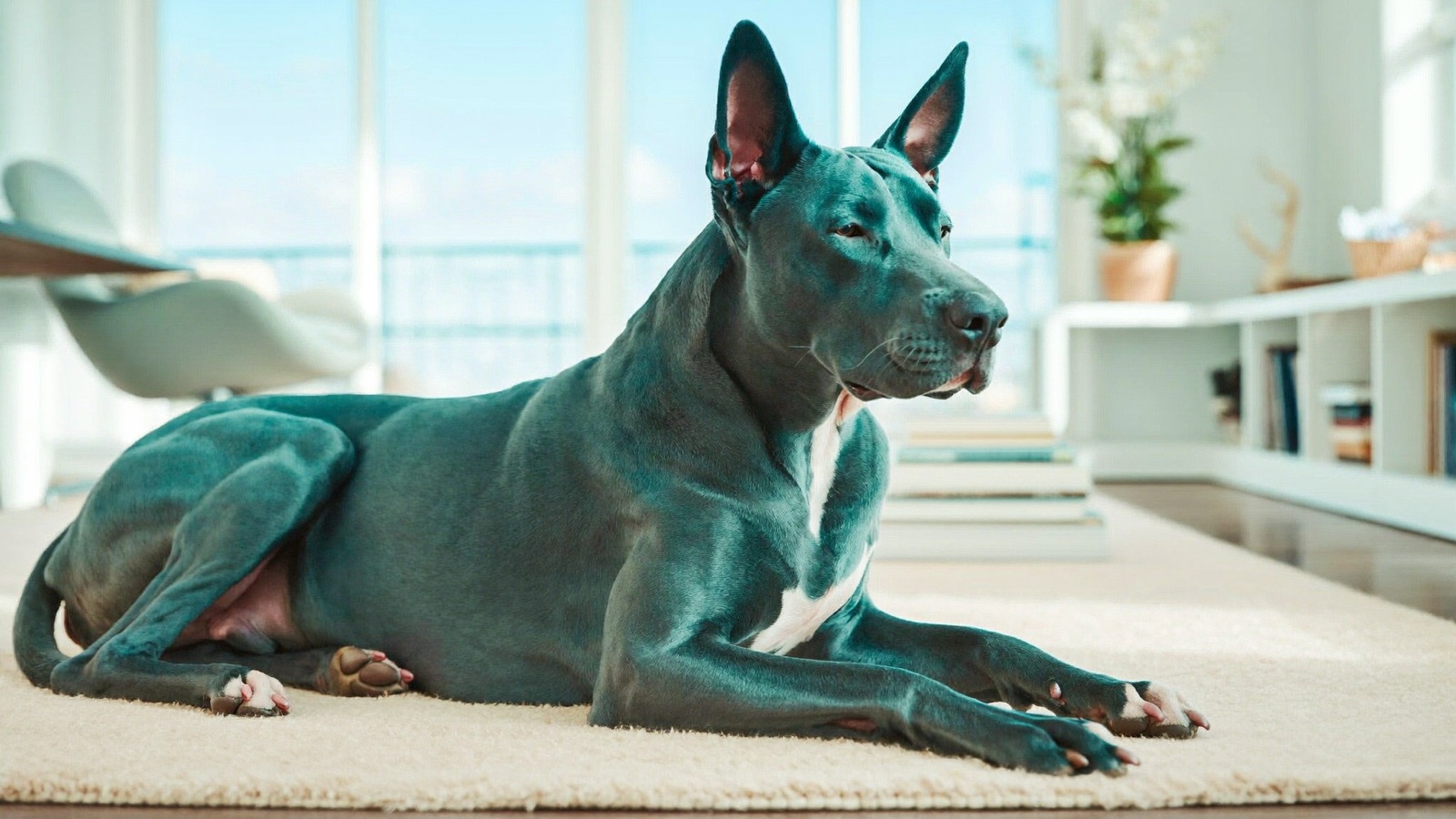
Bloat is one of the fastest-moving emergencies in dogs, and survival depends heavily on how quickly it's treated. Knowing the signs — before you ever need them — can save your dog's life.
What is bloat and GDV?
Bloat happens when a dog's stomach fills up with gas, food or fluid and stretches. In the most dangerous form, gastric dilatation and volvulus (GDV), the swollen stomach also twists on itself. This traps the gas so it can't escape, cuts off blood supply to the stomach and other organs, and puts pressure on major blood vessels — sending the dog into shock. Without rapid treatment, GDV is frequently fatal.
Because you can't tell from the outside whether the stomach has twisted, any sign of bloating with distress should be treated as GDV until a vet says otherwise.
The emergency signs to know
| Sign | What it looks like |
|---|---|
| Unproductive retching | Trying to vomit repeatedly but bringing up little or nothing — one of the most telling signs. |
| Distended abdomen | A swollen, bloated belly that may look or feel tight, hard or drum-like; sometimes it sounds hollow when tapped. |
| Restlessness / pacing | Unable to get comfortable or settle, standing with an anxious, hunched or "praying" posture. |
| Excessive drooling | Sudden heavy salivation, often with obvious discomfort or distress. |
| Signs of pain | Looking at or guarding the belly, whining, tense body, reluctance to lie down. |
| Shock signs (later) | Pale gums, rapid or labored breathing, fast weak pulse, weakness or collapse — a critical stage. |
At-risk breeds and dogs
Bloat can happen to any dog, but risk is much higher in large and giant, deep-chested breeds, including:
- Great Danes (among the highest risk), German Shepherds, Standard Poodles
- Weimaraners, Irish Setters, Irish Wolfhounds, Bloodhounds
- Boxers, Doberman Pinschers, Saint Bernards, Gordon Setters and similar builds
Other factors that may raise risk include being older, having a first-degree relative that bloated, an anxious or stressed temperament, eating one large meal quickly, eating from a raised bowl (evidence is mixed), and vigorous exercise close to mealtimes.
Why minutes matter
Once the stomach twists, blood flow is choked off and the dog can deteriorate into shock within hours — sometimes faster. There is no safe window to "wait and see." Dogs treated quickly have a much better chance of survival, so the single most important thing you can do is recognize the signs and get to a clinic immediately. Call ahead so the team can prepare.
How vets treat it
At the clinic, the team will work to stabilize your dog for shock (usually IV fluids and pain relief), decompress the stomach to release trapped gas, and confirm the diagnosis, often with an X-ray. If the stomach has twisted, emergency surgery is needed to untwist it, check for damage, and usually to tack the stomach to the abdominal wall (a gastropexy) so it can't twist again.
How to help prevent bloat
- Feed smaller meals two to three times a day rather than one large meal.
- Slow down fast eaters with a slow-feeder bowl or a food puzzle.
- Avoid hard exercise for about an hour before and after eating.
- Manage stress around mealtimes, and don't let anxious dogs gulp air.
- Talk to your vet about gastropexy for high-risk breeds — a preventive surgery that greatly reduces the chance of GDV and is often done at the same time as spaying or neutering.
Know your dog's baseline — and your emergency plan
Use Tavi to store your vet and nearest emergency clinic, your dog's breed and weight, and quick notes on normal behavior — so in a crisis you can act fast, not scramble. Free for your first pet.
Frequently asked questions
What are the first signs of bloat in a dog?
Early signs include restlessness and pacing, obvious discomfort, drooling, and repeated attempts to vomit that bring nothing up (unproductive retching). The belly may look or feel swollen and tight. Because bloat can progress within minutes to an hour or two, treat these signs as an emergency and go to a vet immediately.
What is the difference between bloat and GDV?
Bloat means the stomach fills with gas and food and distends. In gastric dilatation and volvulus (GDV), the distended stomach also twists, trapping the gas and cutting off blood flow. GDV is the most dangerous form and is rapidly life-threatening, but any bloating with distress should be treated as an emergency.
Which dogs are most at risk of bloat?
Large and giant, deep-chested breeds are most at risk — Great Danes, German Shepherds, Standard Poodles, Weimaraners, Irish Setters, Bloodhounds and similar. Older dogs, those with a close relative that bloated, and dogs who eat one large fast meal or exercise hard right after eating may also be at higher risk. But bloat can occur in any dog.
Can a dog survive bloat?
Yes — many dogs survive GDV when it is recognized and treated quickly, but survival drops sharply with delay. This is why bloat is a true minutes-matter emergency: get to a vet or emergency clinic at the first signs rather than waiting to see if it passes.
How can I help prevent bloat in my dog?
Feed smaller meals two to three times a day rather than one big meal, slow down fast eaters with a slow-feeder bowl, and avoid vigorous exercise for about an hour before and after meals. For high-risk breeds, ask your vet about a preventive surgery called gastropexy, often done at spay or neuter.
How quickly does bloat kill a dog?
GDV can become life-threatening within a matter of hours, and sometimes faster once the stomach twists. Because blood flow is cut off and the dog can go into shock quickly, there is no safe amount of time to wait and watch — seek emergency veterinary care the moment you suspect it.
Tavi's guides are informational and not a substitute for professional veterinary advice, diagnosis or treatment. Bloat/GDV is a life-threatening emergency — if you suspect it, go to a veterinarian or emergency clinic immediately; when in doubt, call ahead or reach the ASPCA Animal Poison Control Center at (888) 426-4435 (a fee may apply). Sources include the American Animal Hospital Association (AAHA), VCA Animal Hospitals, PetMD, the Merck Veterinary Manual, and BluePearl Pet Hospital.