Indoor vs Outdoor Cats: Safety, Lifespan & Enrichment
Start here
Most veterinarians recommend keeping cats indoors, or giving them only supervised outdoor access. Indoor cats live substantially longer on average because they avoid traffic, predators, fights, infectious disease and poisons. The trade-off is that an indoor cat needs you to provide the mental and physical stimulation it would find outside — through play, climbing space and enrichment. Done well, indoor living is safe and rich, not boring.
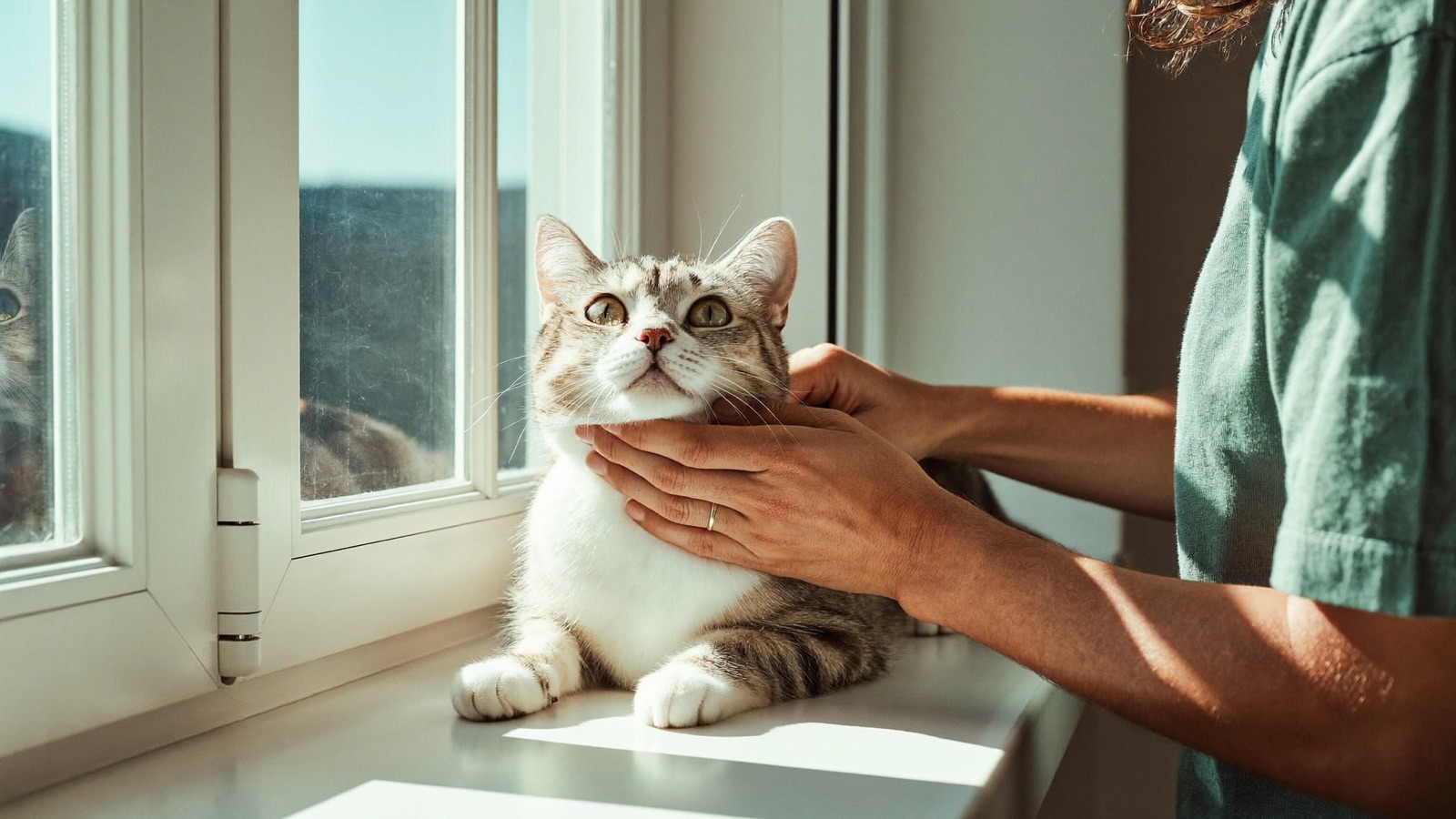
The safety difference
The core reason vets favor indoor life is simple: the outdoors is dangerous for cats. Outdoor and free-roaming cats face a long list of hazards that indoor cats almost never encounter.
| Outdoor risk | Why it matters |
|---|---|
| Traffic | Road accidents are a leading cause of injury and death in outdoor cats. |
| Predators & other animals | Coyotes, dogs, and territorial cats cause serious injuries. |
| Infectious disease | FeLV, FIV, and parasites spread through fights and contact. |
| Poisons & toxins | Antifreeze, rodenticides, and toxic plants like lilies. |
| Getting lost or stolen | Cats stray, get shut in sheds, or don't come home. |
Because of these hazards, indoor cats typically live many years longer than cats with unsupervised outdoor access. There's also a conservation angle: free-roaming cats are significant predators of birds and small wildlife.
What outdoor cats get that indoor cats miss
It's worth being honest about the other side. Outdoor cats get near-constant stimulation — hunting, climbing, patrolling territory, and exercising natural behaviors. An indoor cat with none of that can become bored, overweight, or stressed, which shows up as over-grooming, aggression, or litter-box problems.
The good news is that these needs can all be met indoors. The goal isn't to lock a cat in an empty room — it's to bring the enriching parts of the outdoors inside while leaving the dangers out.
How to enrich an indoor cat's life
A well-designed indoor environment keeps a cat physically fit and mentally satisfied:
- Vertical space: cat trees, shelves and window perches — cats live in three dimensions and love to climb and survey.
- Daily play: two or more short sessions with wand toys that mimic prey, letting your cat stalk, chase and "catch."
- Food puzzles & foraging: puzzle feeders make a cat work for food, engaging the hunting brain and slowing fast eaters.
- Scratching posts: sturdy vertical and horizontal options in prominent spots.
- A window on the world: a perch with a bird feeder view provides hours of "cat TV."
- Routine and safe hideaways: predictable feeding and quiet retreats lower stress.
Practical take: Fifteen minutes of interactive play a day does more for an indoor cat's wellbeing than any single toy left on the floor.
Safe middle-ground options
If you want your cat to experience the outdoors without the risks, there are supervised compromises:
- Catios — enclosed outdoor "patios" that let a cat feel fresh air and sun safely.
- Harness and leash walks — many cats can be trained to a harness with patience.
- Secure cat-proof fencing — special fencing or netting that keeps a cat in the yard.
Whatever the setup, any cat that spends time outdoors — even supervised — should be microchipped, wear ID, be up to date on vaccines and parasite prevention, and be spayed or neutered.
Keeping tabs on an indoor cat's health
Indoor life is safer, but it comes with its own thing to watch: weight. Without the exercise of roaming, indoor cats are more prone to becoming overweight, which raises the risk of diabetes, arthritis and other problems. Weight gain is gradual and easy to miss when you see your cat every day. Tracking weight, activity and appetite over time turns that slow drift into something you can actually see — and act on before it becomes a health issue.
Keep your indoor cat trim and thriving
Tavi charts your cat's weight, activity and appetite over time, so the slow weight creep that indoor cats are prone to shows up as a trend you can catch early. Free for your first pet.
Frequently asked questions
Do indoor cats really live longer than outdoor cats?
Yes. Indoor cats live substantially longer on average because they avoid traffic, predators, fights, infectious diseases and poisons. Estimates vary, but the gap is measured in years, which is why most veterinarians recommend indoor or supervised-outdoor living.
Is it cruel to keep a cat indoors?
Not if the indoor environment is enriched. Cats need mental and physical stimulation, so an empty home can be boring, but daily play, climbing space, puzzle feeders and window perches meet those needs safely. A well-enriched indoor cat is both safer and content.
Can I switch an outdoor cat to being indoors?
Yes, though it takes patience. Transition gradually, add plenty of enrichment like climbing towers and interactive play, use puzzle feeders, and consider a catio or harness training so the cat still gets stimulation. Most cats adjust well when the indoor space is engaging.
How do I keep an indoor cat from getting bored?
Offer vertical climbing space, two or more short interactive play sessions a day, puzzle feeders, scratching posts, and a window perch for watching outside. Rotating toys and keeping a predictable routine also help. The aim is to satisfy a cat's hunting, climbing and surveying instincts indoors.
Should an indoor-outdoor cat still be microchipped and vaccinated?
Absolutely. Any cat with outdoor access — even supervised — should be microchipped, wear ID, stay current on vaccines and parasite prevention, and be spayed or neutered. Outdoor exposure raises the risk of getting lost and of infectious disease, so these protections matter most for them.
Tavi's guides are informational and not a substitute for professional veterinary advice, diagnosis or treatment. When in doubt, call your veterinarian.
Sources
- American Association of Feline Practitioners (AAFP)
- American Veterinary Medical Association (AVMA)
- Cornell University Feline Health Center
- The Ohio State University Indoor Pet Initiative
- ASPCA