Can Dogs Eat Corn? (And Corn on the Cob)
Start here
Yes to plain corn kernels, but never the cob. Plain, cooked corn off the cob is safe and even common in dog food. Corn on the cob, however, is dangerous: the cob is a serious choking and intestinal-blockage hazard that can require emergency surgery. Serve kernels only, plain and in moderation.
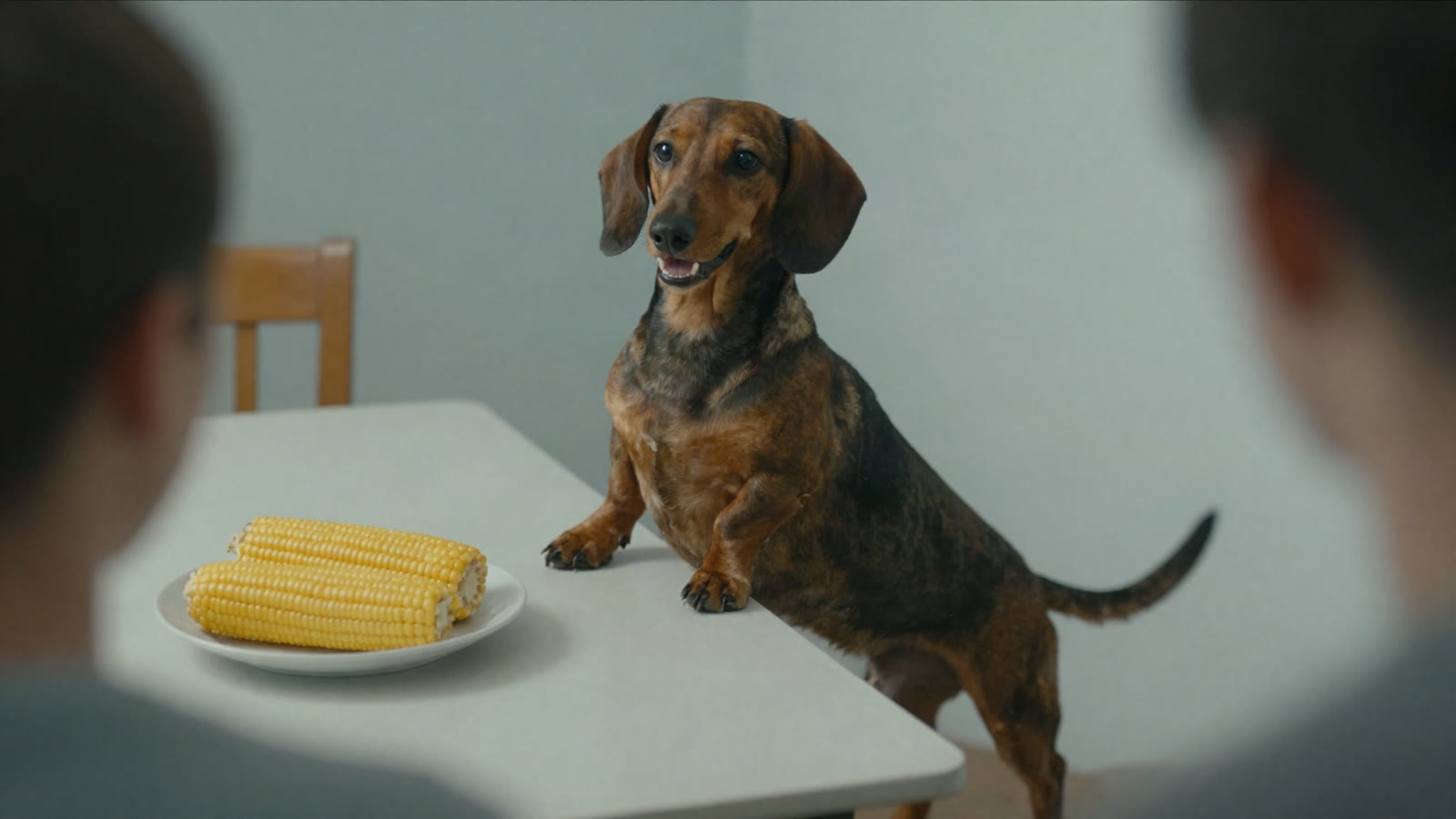
Is corn safe for dogs?
Corn itself is not toxic to dogs. In fact, it's a common ingredient in many commercial dog foods, where it provides carbohydrates, protein, and some fiber and antioxidants. Plain cooked corn kernels are perfectly fine as an occasional treat for most dogs.
The important distinction is kernels versus the cob. The kernels are digestible in moderation; the cob is not. If your dog has a known corn or grain sensitivity, skip it, but true corn allergies are less common than many owners assume.
Why is corn on the cob so dangerous?
The cob is the real hazard. Dogs love to gnaw on cobs, but a cob (or a chunk of one) is a classic cause of intestinal obstruction. It doesn't break down in the digestive tract, can lodge in the intestines, and often requires surgery to remove.
Watch for these signs if your dog got hold of a cob:
- Vomiting or repeated retching
- Loss of appetite
- Straining or inability to pass stool
- A painful, bloated, or tender belly
- Lethargy or restlessness
If you see any of these, or you know your dog ate cob, call your vet or an emergency clinic right away. This is time-sensitive.
How should I serve corn to my dog?
Keep it simple and plain:
- Serve plain cooked or steamed kernels, cut off the cob.
- No butter, salt, oil, or seasonings, and never with toppings like garlic or onion.
- Offer a small spoonful as a treat, not a big serving.
- Popcorn can be an occasional option only if it's plain, air-popped, and unsalted, with unpopped kernels removed.
As with any new food, start small and watch how your dog reacts. If you're introducing new snacks, jotting them into Tavi alongside your dog's weight makes it easy to keep treats from adding up.
What if my dog ate a corn cob?
Treat this as urgent. Even if your dog seems fine at first, a cob can cause a blockage hours or days later. Call your vet or an emergency clinic immediately and describe how much cob was eaten and when. Do not wait for symptoms and do not try to induce vomiting unless your vet tells you to, since a cob can cause harm coming back up.
For plain kernels, there's no cause for alarm, aside from possible mild gas or loose stool if your dog ate a lot.
Frequently asked questions
Can dogs eat corn on the cob?
No. While the kernels are safe, the cob is dangerous. Dogs can't digest the cob, and it commonly causes intestinal blockages that may require emergency surgery. Never let your dog chew on or eat a corn cob, and dispose of cobs where your dog can't reach them, including in the trash and at outdoor barbecues.
Is corn bad for dogs or just a filler?
Corn is not simply an empty filler. In balanced commercial diets it provides carbohydrates, protein, fiber, and antioxidants, and most dogs digest it well. True corn allergies are uncommon. Plain corn is a fine occasional treat; the real concern is always the cob, plus added butter, salt, or seasonings.
Can dogs eat popcorn?
In moderation, plain air-popped popcorn with no butter, salt, or oil is a safe occasional treat. Remove any unpopped or partially popped kernels, which can crack teeth or be a choking hazard. Buttered, salted, caramel, or flavored popcorn should be avoided because of the added fat, sodium, and sugar.
My dog ate a corn cob but seems fine, what should I do?
Call your vet right away, even if your dog appears normal. A cob can cause a blockage hours or days after it's swallowed, and early treatment matters. Don't induce vomiting unless a vet directs you to. Watch for vomiting, appetite loss, straining to pass stool, or a painful belly.
Tavi's guides are informational and not a substitute for professional veterinary advice, diagnosis or treatment. When in doubt, call your veterinarian.