Can Dogs Eat Cucumber? A Low-Cal Hydrating Treat
Start here
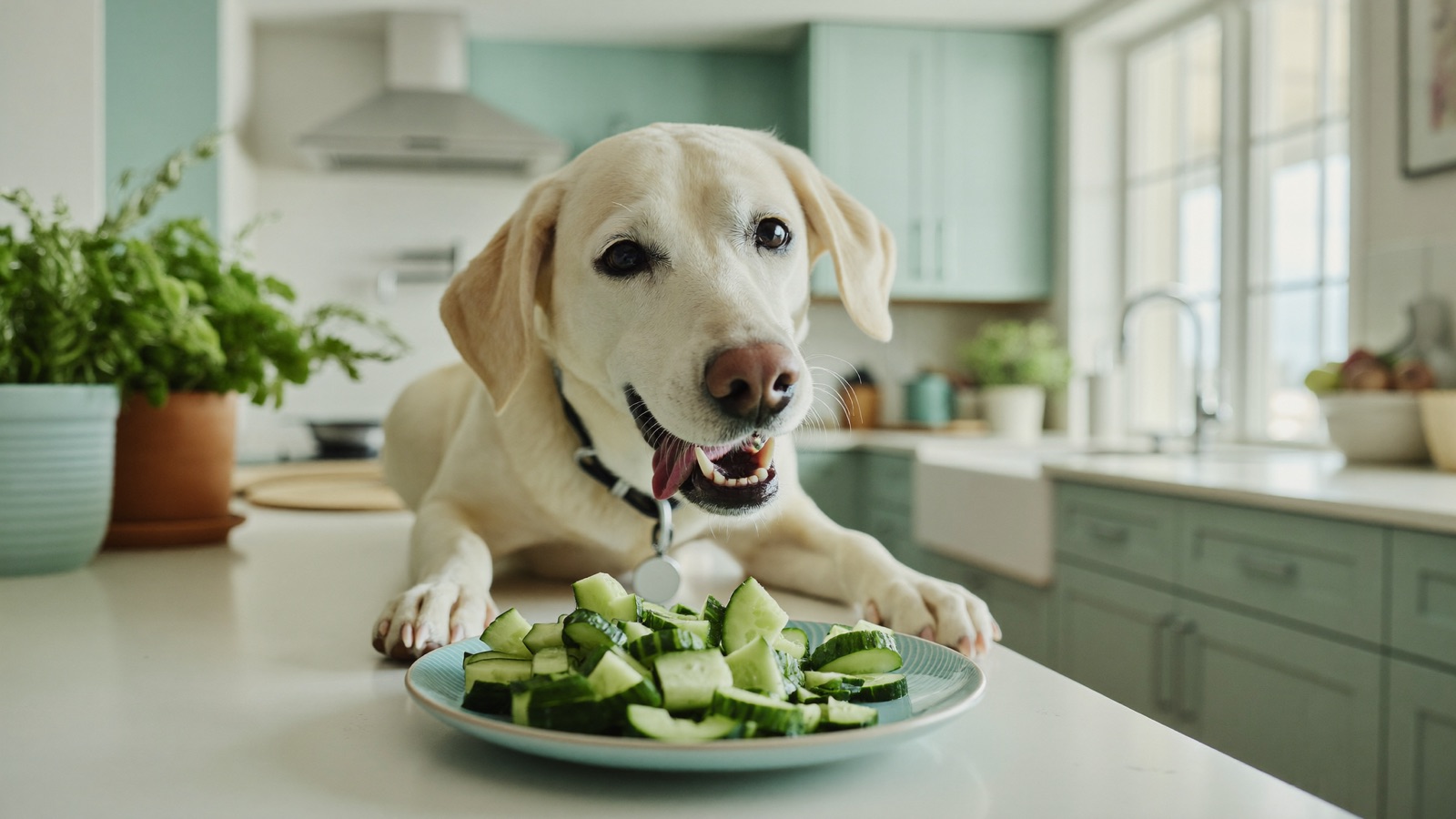
Yes — cucumber is one of the safest, healthiest treats for dogs. It's very low in calories, about 95% water, and hydrating, which makes it great for hot days and weight management. Serve it washed and cut into bite-size pieces to avoid choking, and introduce it gradually to prevent gas or loose stool.
Why cucumber is a great dog treat
Cucumber is a wonderful low-guilt snack. It's extremely low in calories and about 95% water, so it's hydrating and filling without adding weight. It also provides small amounts of vitamin K, vitamin C, potassium and fiber.
Because it's so light, cucumber is a favorite for dogs on a diet — you can hand over a satisfying crunchy treat without the calories of a biscuit. Many dogs love the cool, crisp texture, especially frozen or chilled in summer.
How to serve cucumber safely
A little prep keeps it safe:
- Wash it well to remove any residue.
- Cut into bite-size pieces — slices, sticks or cubes sized to your dog. Whole or large chunks can be a choking hazard, especially for small dogs.
- Serve it plain — no salt, dips, seasoning or dressing.
- Peeling is optional — the skin is safe, but peeling can make it easier to digest for sensitive dogs.
Practical take: Frozen cucumber slices or spears make a refreshing, near-zero-calorie treat on a hot day.
Choking and portion cautions
Cut cucumber down to size — don't offer a whole cucumber or thick chunks. A greedy dog can try to swallow a large piece and choke. Slice or dice it, and supervise fast eaters and small breeds.
Even though cucumber is low-calorie, too much at once can cause gas or loose stool because of the fiber and water. Introduce it gradually and keep it to a treat-size portion.
How much cucumber can a dog eat?
Like all treats, keep cucumber to about 10% of daily calories — though its low calorie count gives you a bit of room:
| Dog size | Reasonable amount |
|---|---|
| Small (under 20 lb) | A few thin slices, chopped |
| Medium (20–50 lb) | A small handful of pieces |
| Large (over 50 lb) | A handful of pieces |
Avoid pickles and any cucumber prepared with salt, vinegar, garlic or onion — those additions make a healthy vegetable unhealthy.
Cucumber for weight management
If your dog is carrying extra weight, cucumber is one of the best treats to swap in — it satisfies the urge to snack for almost no calories. Pair it with portion control and regular exercise; see our weight guide for the full picture.
Because healthy weight change is slow, tracking your dog's weight over time is the best way to know your efforts are working — a treat swap that feels small adds up over months.
Watch healthy swaps add up over time
Tavi charts your dog's weight and lets you log treats and meals, so smart swaps like cucumber show up as real progress on the scale. Free for your first pet.
Frequently asked questions
Is cucumber safe for dogs?
Yes, plain cucumber is one of the safest treats for dogs. It's very low in calories, hydrating, and non-toxic. Just wash it, cut it into bite-size pieces to prevent choking, and serve it plain without salt, dips or seasoning.
Can cucumber help my dog lose weight?
It can be a great tool. Cucumber is about 95% water and very low in calories, so it satisfies the urge to snack without adding much to the daily total. Use it in place of higher-calorie treats alongside portion control and exercise.
Should I peel cucumber for my dog?
Peeling is optional. The skin is safe and adds fiber, but peeling can make cucumber easier to digest for dogs with sensitive stomachs. Either way, wash it well and cut it into appropriately sized pieces.
Can dogs eat pickles?
It's best to avoid pickles. They're high in salt and often contain vinegar, garlic or onion, which aren't good for dogs and can be toxic. Stick to plain fresh cucumber instead.
How much cucumber can a dog eat?
A few slices or a small handful of pieces, sized to your dog, is plenty as a treat. Even though it's low in calories, too much at once can cause gas or loose stool, so introduce it gradually and keep it to treat-size portions.
Tavi's guides are informational and not a substitute for professional veterinary advice, diagnosis or treatment. When in doubt, call your veterinarian.
Sources
- American Kennel Club (AKC)
- VCA Animal Hospitals
- Merck Veterinary Manual
- Association for Pet Obesity Prevention