Hot Spots on Dogs: Causes & How to Treat Them
Start here
A hot spot (acute moist dermatitis) is a red, raw, oozing patch of inflamed skin that appears quickly and can spread within hours as the dog licks, chews and scratches it. They're usually triggered by something itchy — allergies, fleas, moisture or a skin irritation — that starts a scratch-inflame-infect cycle. Mild ones can be managed with cleaning and vet-guided care, but painful, spreading, or infected spots need a vet.
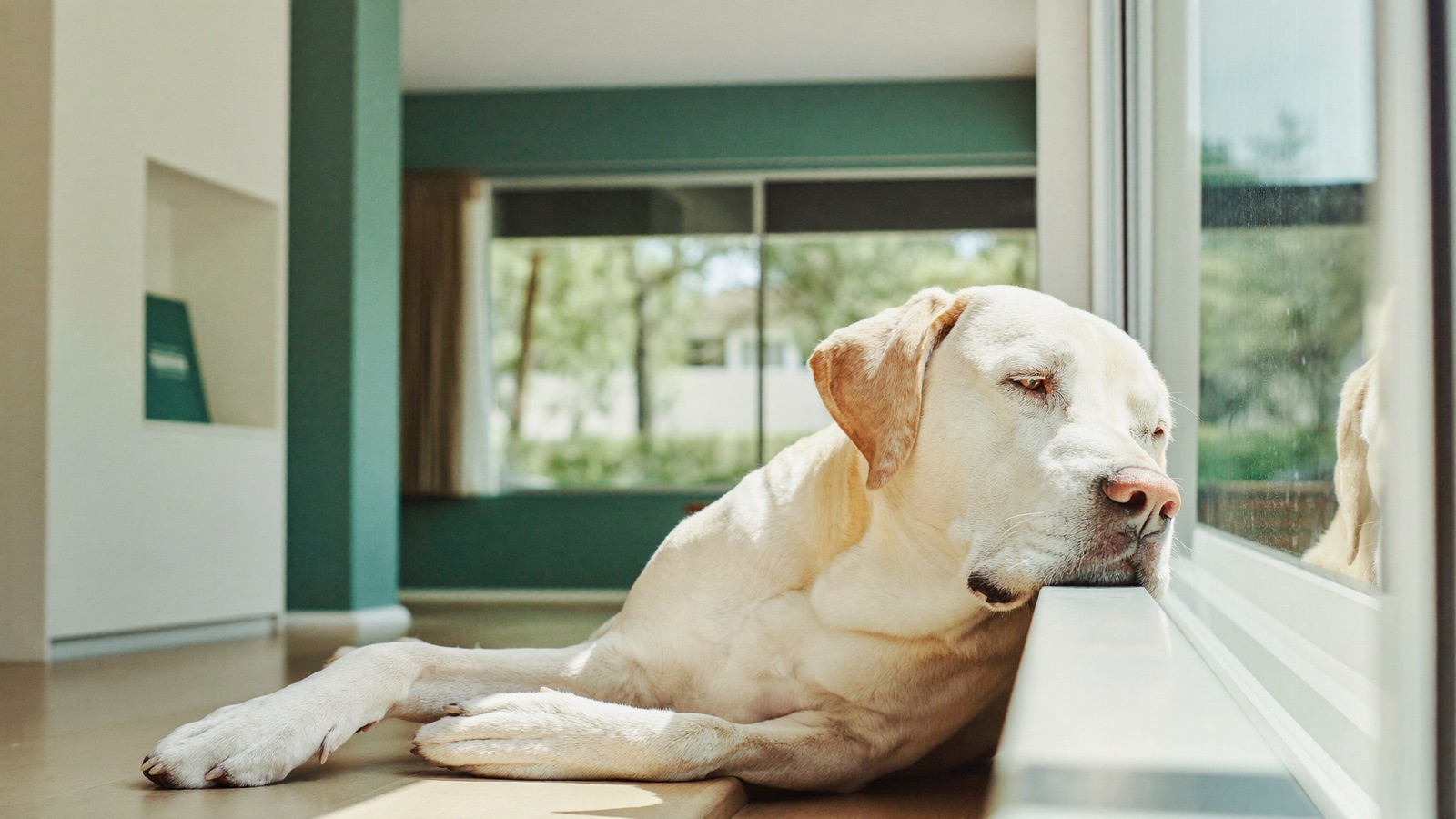
What a hot spot looks like
Hot spots are hard to mistake once you've seen one:
- A red, moist, raw patch of skin, often oozing or crusting
- Rapid spread — a small spot can double in size within a day
- Hair loss over and around the area
- Intense licking, chewing or scratching at the site
- Pain and heat — many dogs react sharply when the spot is touched
They show up most on the cheeks, neck, hips and base of the tail, and are more common in thick-coated breeds and in warm, humid weather.
What causes hot spots
A hot spot is the visible result of a self-trauma cycle: something itches, the dog licks and scratches, the damaged skin gets infected, and that itches even more. The original trigger is the thing to find:
- Allergies — flea allergy, food, or environmental (a very common driver)
- Fleas and other parasites
- Trapped moisture from swimming, baths or a damp coat
- Ear infections or anal gland problems that cause localized licking
- Matted fur, grooming irritation, or a minor wound
- Boredom or stress licking
Because they can flare in hours, the trigger is often still active when you first notice the spot.
How to treat a hot spot
The goals are to calm the skin, stop the licking, and clear infection. For a small, mild spot you can start at home while you arrange a vet visit:
- Trim the fur around the spot so it can dry and breathe (use clippers, not scissors near sore skin)
- Gently clean with a vet-recommended antiseptic; pat dry
- Stop the licking with an e-collar (cone) — this is essential
See the vet for anything more than minor. Large, very painful, rapidly spreading, or clearly infected hot spots usually need prescription treatment — antibiotics, medicated topicals, and anti-itch or anti-inflammatory medication. Don't use human creams (many contain ingredients that are toxic if licked), and don't use hydrogen peroxide, which damages healing tissue.
Preventing hot spots
Since hot spots are almost always a symptom, prevention means controlling the underlying itch:
| Trigger | Prevention |
|---|---|
| Fleas | Year-round flea prevention for all pets. |
| Allergies | Work with your vet on a diagnosis and long-term itch control. |
| Moisture | Dry the coat thoroughly after swims and baths; keep dense coats groomed. |
| Ears / anal glands | Treat the source of localized licking. |
Why tracking helps
A dog that keeps getting hot spots is telling you something itches — and the value is in the pattern, not the single flare-up. Where they appear and when can point straight at the cause.
Practical take: Logging each hot spot — the season, whether it followed a swim or bath, and which body area — helps your vet distinguish an allergy from a moisture or flea problem. A dog whose spots always appear in late summer, or always after swimming, is handing you the diagnosis if someone's keeping track.
Find the itch behind the hot spots
Tavi lets you log skin flare-ups, itching, grooming and medications over time — so recurring hot spots reveal their pattern and your vet can target the real allergy or trigger. Free for your first pet.
Frequently asked questions
What is a hot spot on a dog?
A hot spot, or acute moist dermatitis, is a red, raw, oozing patch of inflamed and often infected skin. It's caused by a self-trauma cycle where the dog licks, chews and scratches an itchy spot, damaging the skin so it becomes infected and even itchier, which makes it spread quickly.
How do you treat a hot spot on a dog at home?
For a small mild spot, gently trim the surrounding fur, clean it with a vet-recommended antiseptic, dry it, and use a cone to stop licking. Avoid human creams and hydrogen peroxide. Anything large, painful, spreading or infected needs a vet, who may prescribe antibiotics and medicated topicals.
Do hot spots on dogs go away on their own?
They rarely resolve on their own because the licking-and-scratching cycle keeps them going and often spreading. Stopping the self-trauma with a cone and treating both the sore and its underlying cause is what lets the skin heal, so a vet visit is usually needed.
Are hot spots painful for dogs?
Yes, hot spots are typically painful as well as itchy, and many dogs flinch or cry when the area is touched. That combination of pain and itch is why calming the skin, controlling infection and preventing licking are all part of treatment.
What triggers hot spots in dogs?
Common triggers include allergies (fleas, food or environmental), trapped moisture from swimming or baths, ear infections or anal gland problems that cause localized licking, matted fur, minor wounds, and stress licking. Recurring hot spots most often point to an underlying allergy.
Tavi's guides are informational and not a substitute for professional veterinary advice, diagnosis or treatment. When in doubt, call your veterinarian.