Hypothyroidism in Dogs: Signs & Treatment
Start here
Hypothyroidism is when a dog's thyroid gland doesn't make enough thyroid hormone, which slows the whole body's metabolism. It's most common in middle-aged, medium-to-large breed dogs and causes weight gain, low energy, hair loss, and skin problems. It's one of the most treatable canine conditions — an inexpensive daily pill restores most dogs to normal, though it's given for life.
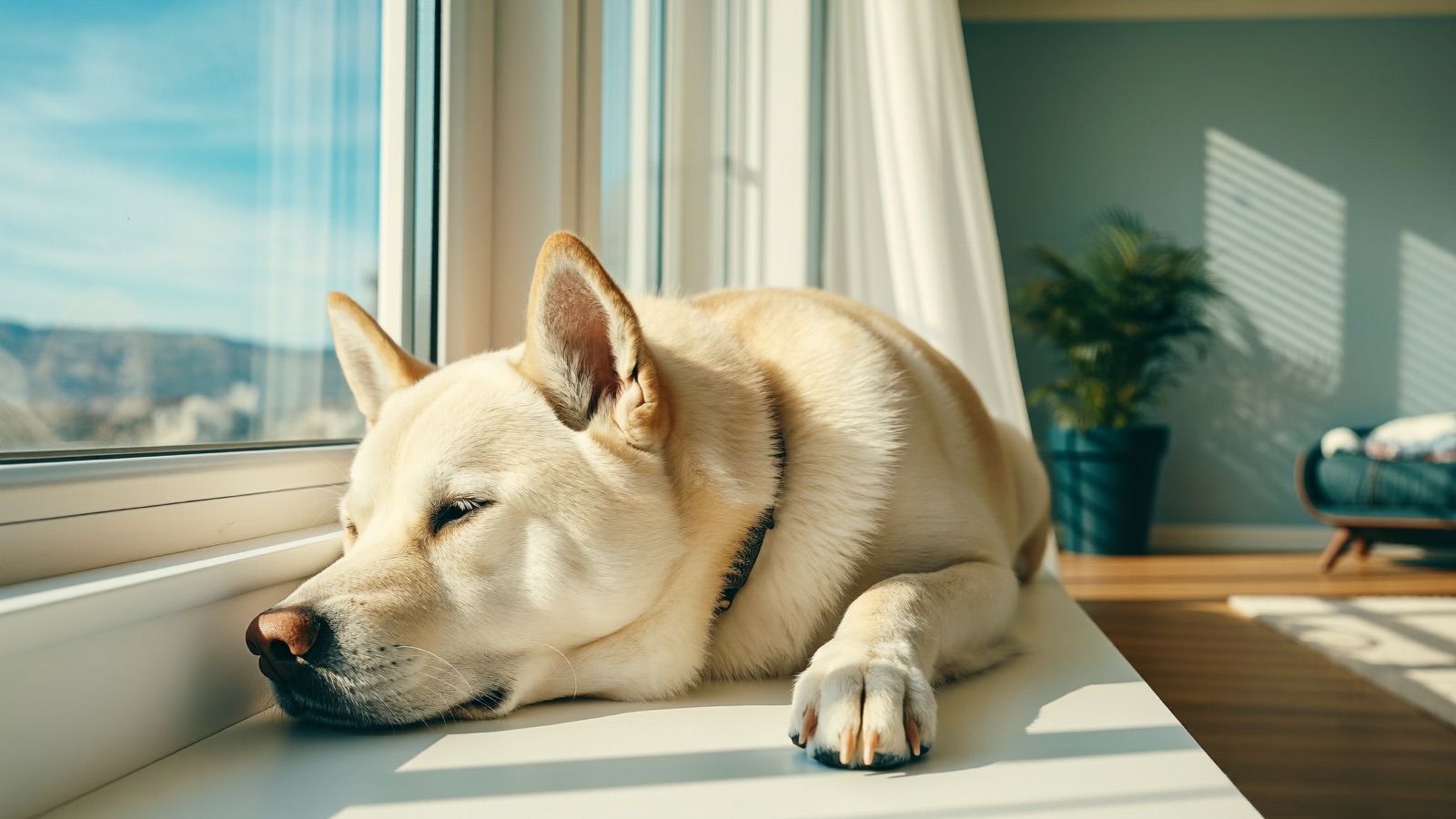
What hypothyroidism is
The thyroid gland sets the body's metabolic pace. When it under-produces thyroid hormone, everything slows down — energy, weight regulation, skin and coat health, and more. In most dogs the cause is gradual destruction of the thyroid gland, usually by the immune system or by natural shrinkage of the tissue over time.
This is a disease of adult dogs, typically appearing in middle age. Medium and large breeds are more commonly affected, and certain breeds have a higher tendency. Unlike in cats — who usually get an overactive thyroid — dogs almost always develop an underactive one.
Signs to watch for
The signs reflect a slowed metabolism and often build gradually:
- Weight gain without eating more
- Lethargy and reduced interest in activity
- Hair loss or thinning, often symmetrical, and a dull, dry coat
- Skin problems — flaky skin, recurrent infections, and dark pigment changes
- Seeking out warmth and intolerance of cold
- A sad or "tragic" facial expression in some dogs from skin thickening
Practical take: Unexplained weight gain paired with low energy and coat changes in a middle-aged dog is a very common hypothyroid picture — and an easy one to confirm with a blood test.
How it's diagnosed
Diagnosis is made with blood tests that measure thyroid hormone levels, usually total T4 along with more specific tests like free T4 and TSH to confirm. Because some other illnesses and medications can temporarily lower thyroid readings (a phenomenon called "sick euthyroid"), your vet interprets the numbers alongside your dog's overall picture rather than treating on one value alone.
Sharing a history of weight, energy, and coat changes helps your vet distinguish true hypothyroidism from look-alikes and decide when to test.
Treatment is simple and effective
Hypothyroidism is treated with a synthetic thyroid hormone replacement (levothyroxine) given by mouth, usually once or twice daily. It's inexpensive and well tolerated. Most owners see energy return within a week or two, with weight and coat improving over one to a few months.
After starting, your vet will recheck a blood level a few weeks in to fine-tune the dose, then periodically thereafter. The medication is lifelong, and the dose can need occasional adjustment — so consistency and follow-up testing keep your dog steady.
Living with hypothyroidism
Once the dose is dialed in, most dogs live completely normal lives with no restrictions. The main job is giving the daily pill reliably and keeping up with periodic blood checks. Watching your dog's weight and energy over time is a good real-world gauge that the dose is still right.
Tracking weight, activity, and medication makes it easy to notice if things drift — a return of sluggishness or weight gain can signal it's time to recheck the dose with your vet.
See energy and weight bounce back
Tavi logs your dog's weight, activity, and daily medication so you can watch treatment work — and catch it early if the dose needs adjusting. A steady record makes every recheck more useful. Free for your first pet.
Frequently asked questions
What are the signs of hypothyroidism in dogs?
Common signs include unexplained weight gain, low energy, hair loss and a dull coat, skin problems and infections, and seeking out warmth. They usually build gradually in middle-aged dogs and are easily confirmed with a blood test.
Is hypothyroidism in dogs treatable?
Yes, it's one of the most treatable canine conditions. A daily thyroid hormone pill restores most dogs to normal energy, weight, and coat. The medication is inexpensive but given for life, with periodic blood tests to keep the dose right.
How is hypothyroidism in dogs diagnosed?
It's diagnosed with blood tests measuring thyroid hormone levels, typically total T4 plus confirmatory tests like free T4 and TSH. Because illness and some medications can affect results, your vet interprets the numbers alongside your dog's overall health.
Can hypothyroidism in dogs cause weight gain?
Yes. Because thyroid hormone drives metabolism, an underactive thyroid slows it down and commonly causes weight gain even without eating more, along with low energy. Weight usually improves after starting thyroid replacement.
Do dogs with hypothyroidism need medication forever?
Yes, in nearly all cases the medication is lifelong because the thyroid gland doesn't recover. The good news is that it's inexpensive, easy to give, and keeps most dogs completely normal when the dose is well managed.
Tavi's guides are informational and not a substitute for professional veterinary advice, diagnosis or treatment. When in doubt, call your veterinarian.