Cushing's Disease in Dogs: Signs & Treatment
Start here
Cushing's disease (hyperadrenocorticism) happens when a dog's body makes too much cortisol, the stress hormone. It develops slowly, usually in middle-aged and older dogs, and causes increased thirst, hunger and urination, a pot-bellied look, hair loss, and panting. It's usually manageable with lifelong medication and monitoring, and most treated dogs feel much better.
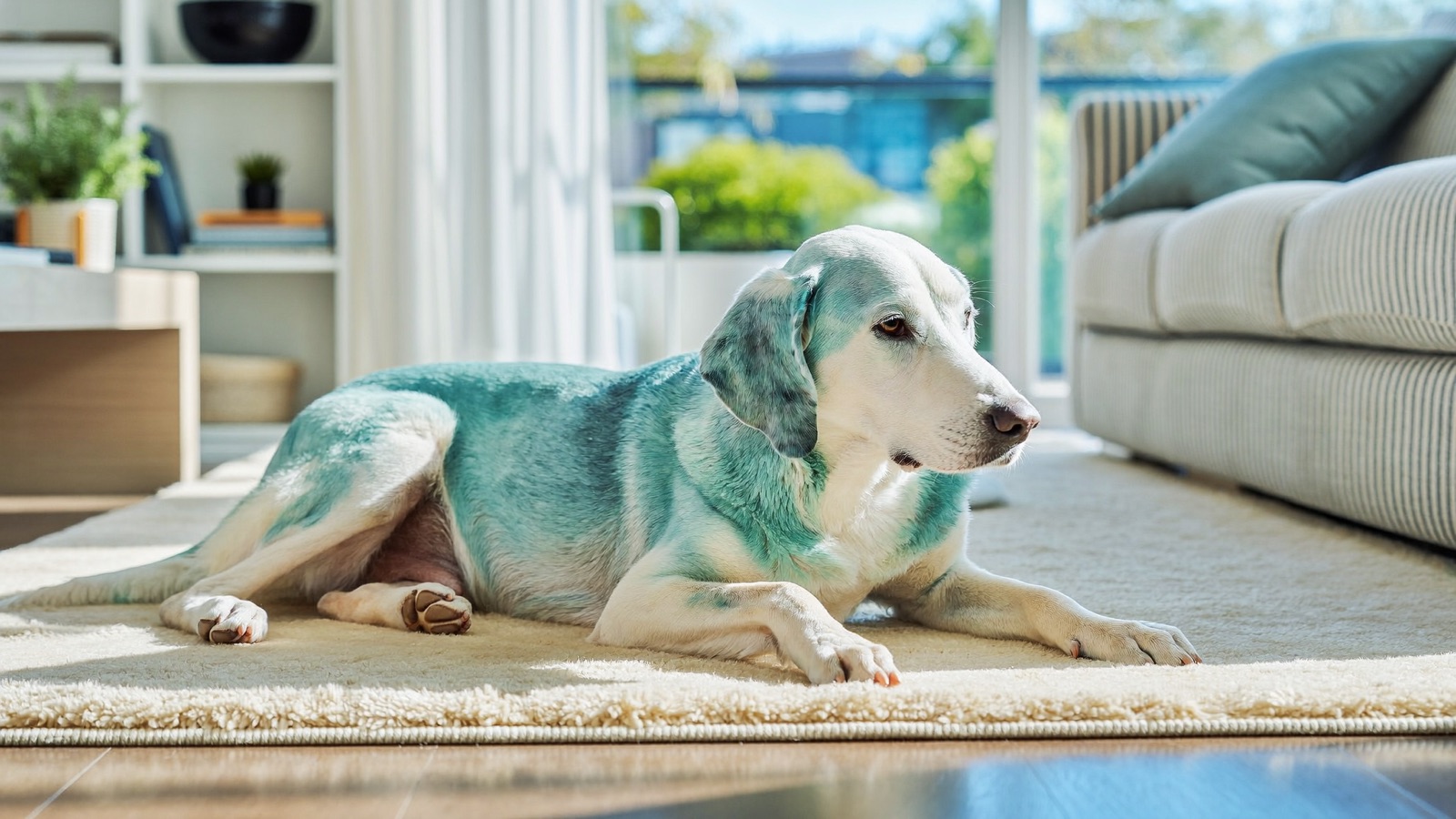
What Cushing's disease is
Cortisol is a hormone that helps regulate metabolism, the immune system, and the body's response to stress. In Cushing's disease, the body is flooded with too much of it over a long period, and that excess causes a wide range of changes throughout the body.
There are three main forms:
- Pituitary-dependent — by far the most common; a small, usually benign tumor in the pituitary gland drives the adrenal glands to overproduce cortisol.
- Adrenal-dependent — a tumor on an adrenal gland itself produces excess cortisol.
- Iatrogenic — caused by long-term or high-dose steroid medication, which resolves as the steroids are carefully tapered under veterinary guidance.
Signs to watch for
Cushing's comes on gradually, and its signs are easy to write off as "just aging." The classic cluster is:
- Increased thirst and urination — often the first thing owners notice
- Increased appetite, sometimes ravenous
- A pot-bellied or bloated appearance
- Hair loss or thinning coat, usually symmetrical and sparing the head and legs
- Panting, reduced energy, and muscle weakness
- Thin skin, recurrent skin or urinary infections, and slow healing
Practical take: A steadily emptying water bowl and more frequent urination are among the most reliable early flags. Knowing your dog's normal intake makes the change obvious.
How it's diagnosed
Diagnosis takes more than one test, because no single test is perfect. Your vet typically starts with bloodwork and urine tests that raise suspicion, then confirms with specific hormone tests such as an ACTH stimulation test or a low-dose dexamethasone suppression test. Imaging like ultrasound or advanced scans can help identify whether the source is the pituitary or an adrenal gland.
Because the workup can be involved, sharing a clear history — when the thirst and appetite changes started, how they've progressed — helps your vet interpret the results and avoid chasing false leads.
Treatment and monitoring
Treatment depends on the type:
- Pituitary-dependent Cushing's is usually treated with a daily oral medication (commonly trilostane) that reduces cortisol production. It's not a cure, but it controls the disease well in most dogs.
- Adrenal tumors may be treated with surgery in the right candidates, or with medication.
- Steroid-induced Cushing's is managed by gradually and safely reducing the steroid — never stop these medications abruptly on your own.
Dogs on medication need regular rechecks and blood tests, especially early on, to fine-tune the dose. Too much medication can swing a dog toward low cortisol, so monitoring for weakness, vomiting, or diarrhea and reporting them promptly is important.
Living with Cushing's
Most dogs respond well and their thirst, appetite, coat, and energy improve over weeks to months. It's a lifelong condition that's managed rather than cured, so consistency with medication and follow-up testing is what keeps a dog stable.
Tracking water intake, appetite, weight, and any new symptoms turns a slow-moving disease into something you can actually see — and gives your vet the trend data needed to keep the dose just right.
Make thirst and appetite changes visible
Tavi logs your dog's water intake, appetite, weight and medications and charts them over time — so the slow shifts of Cushing's, and the response to treatment, show up as a clear trend for you and your vet. Free for your first pet.
Frequently asked questions
What are the first signs of Cushing's disease in dogs?
The earliest and most common signs are increased thirst, urination, and appetite. Owners often also notice a pot-bellied appearance, panting, and thinning hair. Because these develop slowly, they're easy to mistake for normal aging.
Is Cushing's disease in dogs fatal?
Cushing's itself is usually manageable rather than immediately life-threatening, and many dogs live comfortably for years with treatment. Untreated, it can lead to complications like infections, high blood pressure, and blood clots, so diagnosis and management matter.
How is Cushing's disease in dogs treated?
The most common pituitary form is treated with a daily oral medication that lowers cortisol, along with regular monitoring blood tests. Adrenal tumors may be treated surgically, and steroid-induced cases are managed by carefully tapering the steroid. It is controlled, not cured.
What is the life expectancy of a dog with Cushing's?
Many dogs live well for years after diagnosis with proper treatment and monitoring, especially with the common pituitary form. Outlook depends on the type, the dog's age, and other health issues, so your vet can give guidance for your specific dog.
Can diet help a dog with Cushing's disease?
Diet doesn't treat Cushing's, but a balanced, high-quality diet supports overall health, and your vet may recommend adjustments if your dog has related issues like weight gain or high blood pressure. Always pair any diet change with your vet's medical plan.
Tavi's guides are informational and not a substitute for professional veterinary advice, diagnosis or treatment. When in doubt, call your veterinarian.