Can Dogs Eat Watermelon? Yes, With One Rule
Start here
Yes — dogs can safely eat watermelon in moderation, as long as you remove the rind and seeds. The sweet red flesh is about 90% water, making it a refreshing, low-calorie summer treat. The rind can cause an intestinal blockage and the seeds can be a choking hazard, so always serve seedless, rind-free chunks.
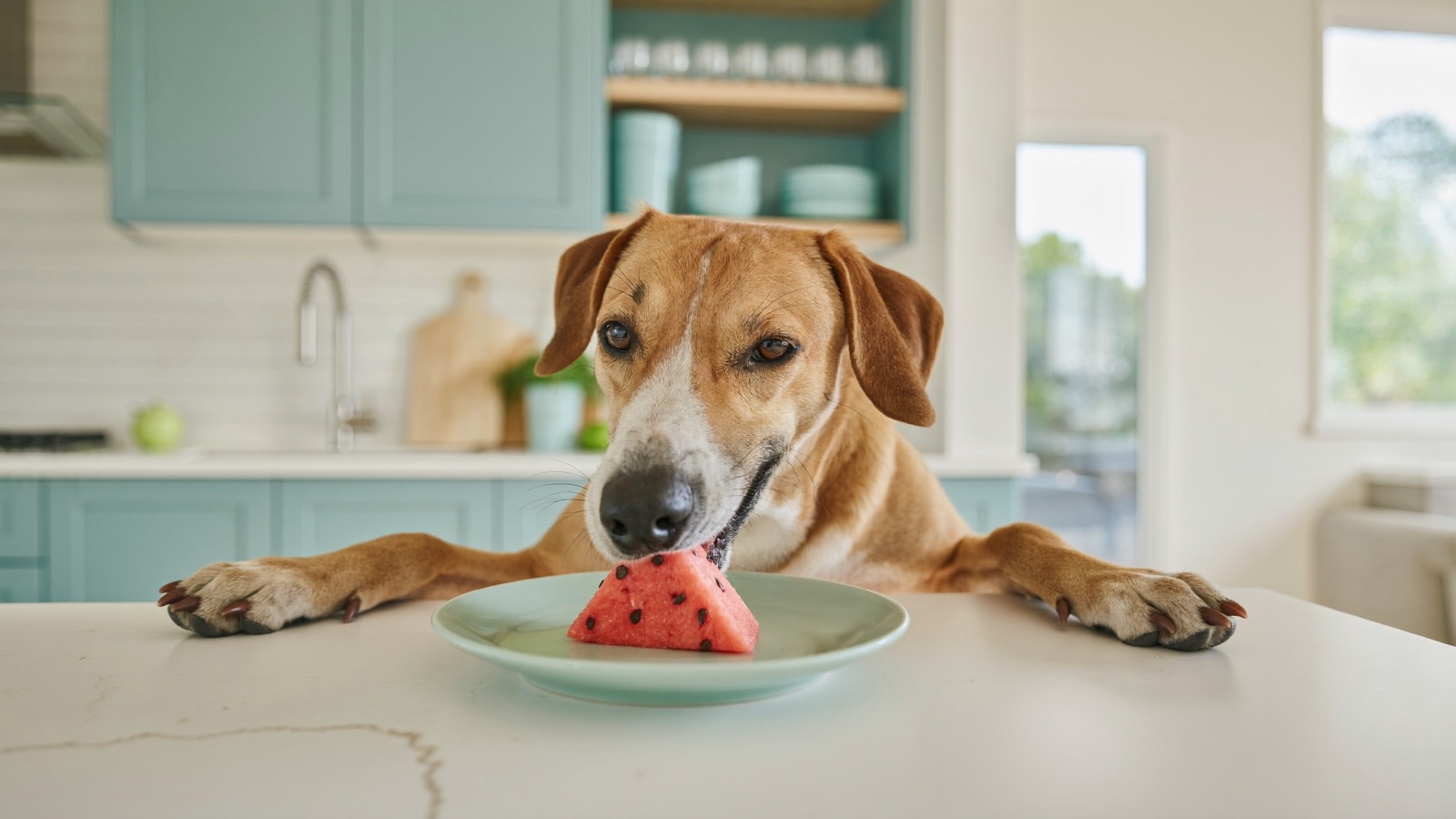
Is watermelon good for dogs?
Watermelon is one of the best warm-weather treats you can offer. Because it's mostly water, it helps with hydration on hot days without piling on calories. The flesh also provides:
- Vitamins A, B6 and C
- Potassium for muscle and nerve function
- Antioxidants like lycopene
- Fiber, in modest amounts
Frozen watermelon chunks make a great treat for cooling a dog down in summer — see our tips on keeping dogs cool in the heat.
The rind and seeds — the one real rule
Never let your dog eat the rind or a mouthful of seeds. The tough green rind is hard to digest and can cause a gastrointestinal blockage, which may need emergency surgery — a particular risk for small dogs and gulpers. A few seeds swallowed by accident usually pass, but a large amount can also cause a blockage.
If your dog eats a chunk of rind and you notice vomiting, loss of appetite, straining, or belly pain over the next day or two, call your vet.
How to serve watermelon safely
Preparation is simple:
- Use seedless watermelon, or pick out all the seeds first.
- Cut the red flesh into bite-sized cubes, sized to your dog.
- Remove all rind — right down to where the flesh turns pale.
- Freeze cubes for a summer treat, or blend seedless flesh into a lickable puree.
Practical take: Skip anything artificially watermelon-flavored, and steer clear of any product that could contain xylitol — this sweetener is deadly to dogs. Stick to plain, fresh fruit.
How much watermelon can a dog have?
Like all treats, watermelon should be no more than about 10% of your dog's daily calories. A rough guide:
| Dog size | Reasonable amount |
|---|---|
| Small (under 20 lb) | 1–2 small cubes |
| Medium (20–50 lb) | A small handful of cubes |
| Large (50+ lb) | A cup or so of cubes |
Too much at once — thanks to the water and natural sugar — can cause loose stools or an upset stomach. Introduce it gradually the first time.
When to skip it
Watermelon isn't right for every dog:
- Diabetic dogs: the natural sugar means you should check with your vet first.
- Dogs prone to GI upset: start with a tiny amount.
- Overweight dogs: it's low-calorie, but treats still add up — track them.
Logging new treats and keeping an eye on your dog's weight over time makes it easy to see whether summer snacking is adding up, and gives your vet useful context if digestion ever becomes an issue.
Keep summer treats in check
Tavi tracks your dog's weight and lets you log treats and new foods over time — so you can enjoy summer snacks like watermelon without losing track of how much your dog is really eating. Free for your first pet.
Frequently asked questions
Can dogs eat watermelon seeds?
It's best to avoid them. A stray seed or two swallowed by accident will usually pass without trouble, but a mouthful of seeds can cause an intestinal blockage, especially in small dogs. Use seedless watermelon or remove the seeds before serving.
Can dogs eat watermelon rind?
No. The tough green rind is hard to digest and can cause a gastrointestinal blockage that sometimes requires surgery. Always cut the red flesh away from the rind and offer only the flesh in bite-sized pieces.
How much watermelon can I give my dog?
Keep it to about 10% of your dog's daily calories — a couple of small cubes for a small dog up to about a cup for a large dog. Too much at once can cause loose stools because of the high water and sugar content.
Is watermelon good for dogs in hot weather?
Yes. Watermelon is about 90% water and low in calories, so frozen or chilled cubes make a refreshing, hydrating summer treat. It's a nice complement to fresh water and shade, though it doesn't replace them on very hot days.
Can puppies eat watermelon?
Yes, in small amounts of seedless, rind-free flesh cut into tiny pieces. Introduce it gradually and watch for any digestive upset. As with any treat, it should stay a small part of a balanced puppy diet.
Tavi's guides are informational and not a substitute for professional veterinary advice, diagnosis or treatment. When in doubt, call your veterinarian.