Pit Bull Health Issues & Lifespan
Start here
Pit Bulls (a type that includes the American Pit Bull Terrier and American Staffordshire Terrier) are muscular, affectionate dogs that typically live 12-16 years and are generally robust. Their most common health concerns are skin allergies, hip dysplasia, and certain heart and knee conditions.
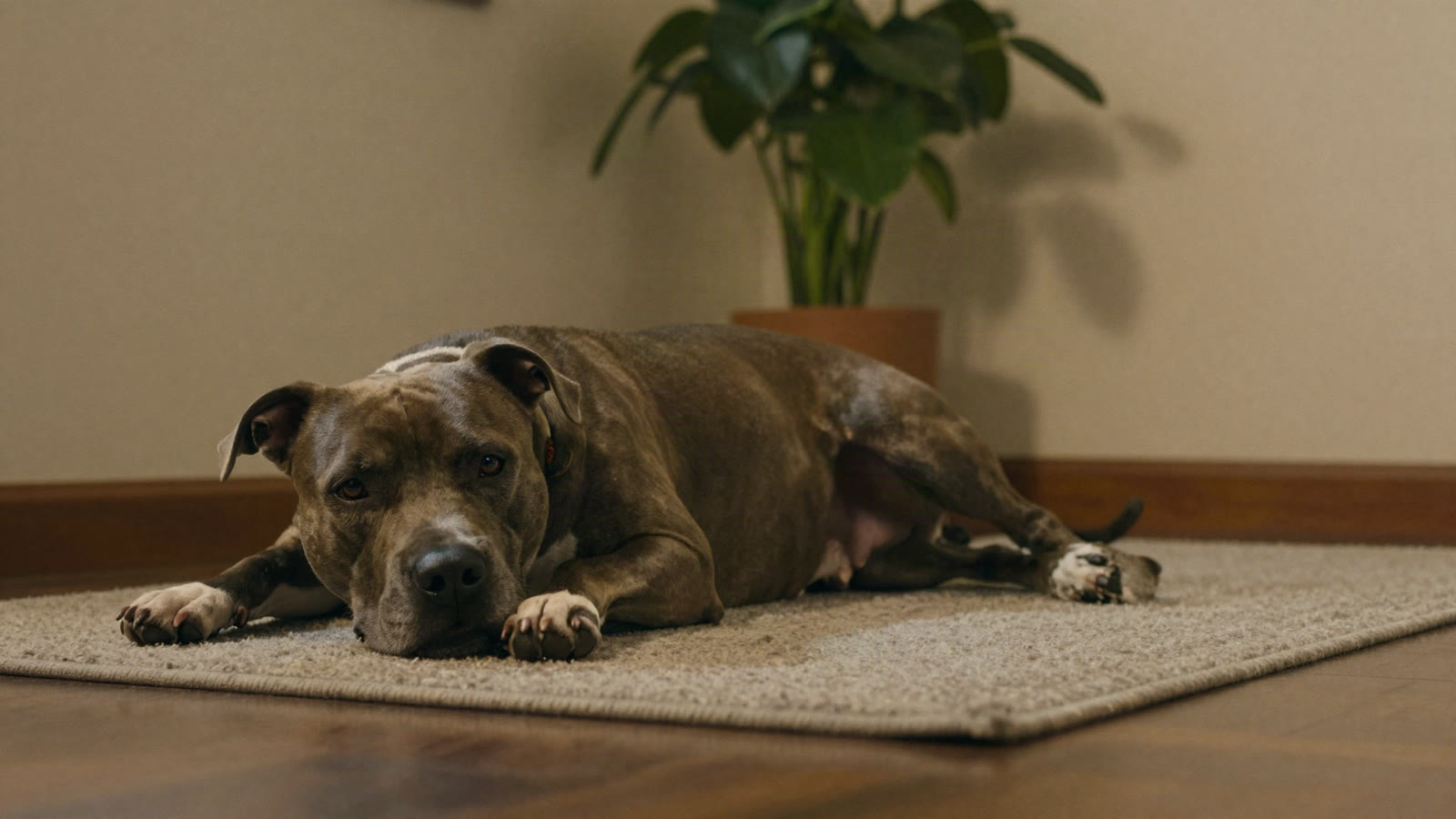
What health problems are Pit Bulls prone to?
Pit bull-type dogs are hardy overall, but several conditions appear more often in the breed:
- Skin allergies and atopic dermatitis: itchy skin, hot spots, and recurrent infections are the most common complaint; they also tend toward skin sensitivities and demodectic mange.
- Hip dysplasia: a malformed hip joint leading to arthritis and lameness.
- Cranial cruciate ligament (CCL) tears: their athletic, muscular build makes knee ligament injuries fairly common.
- Heart disease: including aortic stenosis and other congenital defects.
- Hypothyroidism: an underactive thyroid causing weight gain, lethargy, and coat changes.
- Cerebellar ataxia: an inherited neurological condition in some lines.
- Cancer: including mast cell tumors.
What early signs should Pit Bull owners watch for?
Watch for these common signals:
- Persistent itching, licking, red skin, hair loss, or hot spots (allergies or skin disease)
- Limping, stiffness, or difficulty rising (hip dysplasia or a knee injury)
- Sudden hind-leg lameness after activity (possible CCL tear)
- Coughing, fainting, or tiring easily (possible heart issue)
- Weight gain, low energy, or a dull coat (possible hypothyroidism)
- New lumps or bumps on the skin (have any checked)
Skin issues are the standout concern, so make regular skin and coat checks part of your routine.
How do you keep a Pit Bull healthy?
These strong, active dogs do best with good skin care, exercise, and weight control:
- Manage skin and allergies: work with your vet on allergy control, use vet-recommended shampoos, and keep up flea prevention.
- Keep them lean and muscular, not heavy: excess weight strains hips and knees, which are already injury-prone.
- Provide plenty of exercise: Pit Bulls are athletic and need regular activity, but build up gradually to protect the knees.
- Screen the heart and thyroid with routine checkups and bloodwork as they age.
- Keep up dental care and check the skin for new lumps.
Tracking weight and vet visits over time helps breed issues show as trends. Logging weigh-ins, skin flare-ups, and any lumps in Tavi gives your vet a clear picture, which is especially handy for a breed prone to allergies and skin tumors.
How long do Pit Bulls live, and when should you see the vet?
Pit bull-type dogs typically live 12 to 16 years. They are generally sturdy, and good care helps them reach the upper end of that range.
See your vet for persistent itching or skin infections, limping (especially sudden hind-leg lameness), any new lump, coughing or fainting, or unexplained weight and energy changes. Annual checkups (twice yearly for seniors) with skin, heart, and thyroid attention help keep this robust breed healthy and comfortable.
Frequently asked questions
Are Pit Bulls healthy dogs?
Yes, pit bull-type dogs are generally robust and often live 12-16 years. Their most common health issues are skin allergies and infections, hip dysplasia, knee ligament (CCL) injuries, and some heart and thyroid conditions. Keeping them lean, well-exercised, and on good skin and dental care supports a long, healthy life. As with any breed, responsible breeding reduces inherited risks.
Why does my Pit Bull have itchy skin?
Skin allergies are very common in pit bull-type dogs, causing itching, hot spots, hair loss, and recurrent infections. Triggers can be environmental (pollen, dust), food-related, or flea allergy. Some Pit Bulls are also prone to demodectic mange. Your vet can identify the cause and recommend treatment, and consistent flea prevention plus vet-approved shampoos help keep flare-ups under control.
Are Pit Bulls prone to hip or knee problems?
They can be. Hip dysplasia occurs in the breed, and their muscular, athletic build makes cranial cruciate ligament (CCL) knee tears fairly common, often showing as sudden hind-leg lameness after activity. Keeping your Pit Bull lean, building exercise up gradually, and avoiding repetitive high-impact activity help protect the joints. See your vet promptly for any persistent or sudden limping.
How much exercise does a Pit Bull need?
Pit Bulls are athletic, energetic dogs that need substantial daily exercise, typically brisk walks, play, and mental stimulation, to stay physically and mentally healthy. Regular activity keeps them lean and protects their joints, but increase intensity gradually to avoid knee injuries. A well-exercised Pit Bull is calmer and less likely to develop boredom-related behavior problems, so plan for an active routine.
Tavi's guides are informational and not a substitute for professional veterinary advice, diagnosis or treatment. When in doubt, call your veterinarian.