Australian Shepherd Health Issues & Lifespan
Start here
Australian Shepherds are hardy, energetic herders whose main health risks are inherited eye disorders, hip dysplasia, epilepsy, and the MDR1 drug-sensitivity gene. Typical lifespan is a long 12 to 15 years. Eye and hip screening, DNA testing (especially MDR1), and plenty of exercise keep this breed healthy — and merle-to-merle breeding should be avoided.
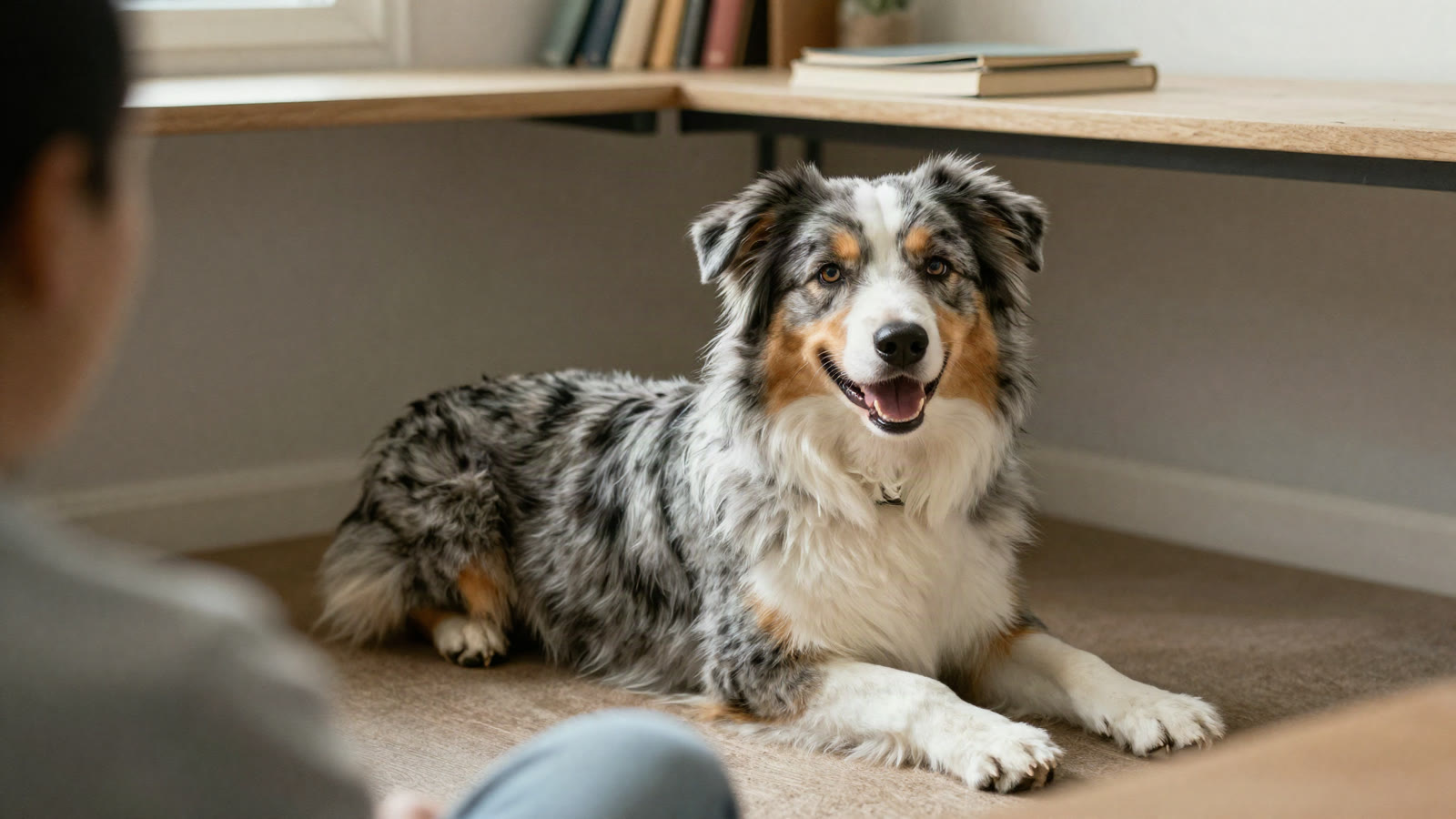
What health problems are Australian Shepherds prone to?
Aussies are generally sound working dogs with several inherited conditions to know:
- Eye disorders: collie eye anomaly (CEA), progressive retinal atrophy (PRA), cataracts, and iris coloboma; many have DNA or screening tests.
- MDR1 gene mutation: a multi-drug sensitivity common in herding breeds that makes certain medications dangerous at normal doses; a DNA test identifies affected dogs.
- Hip and elbow dysplasia: leading to arthritis.
- Epilepsy: inherited seizure disorder.
- Double merle issues: breeding two merle-coated dogs can produce puppies with deafness and serious eye defects.
- Hypothyroidism and some risk of cancer (including hemangiosarcoma and lymphoma) in older dogs.
Early signs to watch for
- Cloudy eyes, bumping into things, or hesitancy in dim light — possible inherited eye disease.
- Limping, stiffness, or reluctance to jump or rise — hip or elbow problems.
- Seizure episodes — collapse, paddling, drooling, loss of awareness; note timing and duration for your vet.
- An unexpected reaction to a medication — important if your dog is untested for MDR1.
- Weight gain, lethargy, or coat changes — possible hypothyroidism; new lumps or unexplained weakness warrant a check.
How to keep an Australian Shepherd healthy
Give them a real outlet. Aussies are intense, intelligent working dogs that need substantial daily exercise plus mental work — training, herding, agility, or nose work — to stay balanced.
Ask about DNA testing for MDR1, CEA, PRA, and related panels, and always tell any vet your dog's MDR1 status before medications. Screen hips and eyes, keep your dog lean, and keep up dental care. Choose breeders who avoid merle-to-merle pairings.
Tracking weight, vet visits, and any seizure episodes in Tavi helps you catch trends — a steady weight climb hinting at thyroid disease, or a seizure pattern your vet can act on — before they become bigger problems.
Australian Shepherd lifespan & when to see the vet
Australian Shepherds are long-lived, commonly reaching 12 to 15 years, and stay active well into their senior years.
See a vet for any vision change, persistent limp, or first seizure, and confirm MDR1 status before certain drugs. Watch older dogs for lumps, weight loss, or sudden weakness that could signal cancer. Keep yearly wellness exams (twice yearly for seniors) with eye and joint checks, and ask which DNA screens fit your dog's lines.
Frequently asked questions
How long do Australian Shepherds live?
Australian Shepherds are a healthy, long-lived breed, typically reaching 12 to 15 years, and often stay active into old age. Their main risks are inherited eye disorders, hip dysplasia, epilepsy, and the MDR1 drug-sensitivity gene. Plenty of exercise and mental work, a lean weight, and appropriate DNA and health screening all support a long life.
What is MDR1 and why does it matter for Aussies?
MDR1 is a genetic mutation common in herding breeds like Australian Shepherds that makes affected dogs dangerously sensitive to certain medications — including some parasite preventives, anti-diarrheals, and anesthetics — at standard doses. A simple DNA test identifies affected dogs. Always tell your vet if your Aussie is MDR1-affected or untested before any new medication is prescribed.
What is a double merle Australian Shepherd?
A double merle results from breeding two merle-coated dogs together. These puppies have a high risk of being born deaf, blind, or with serious eye defects due to a lack of pigment. It's a preventable problem — responsible breeders never pair two merles. If you're getting an Aussie, ask the breeder about the parents' coat genetics.
Do Australian Shepherds get eye problems?
Yes, the breed is prone to several inherited eye disorders, including collie eye anomaly (CEA), progressive retinal atrophy (PRA), cataracts, and iris coloboma. Many have DNA tests or are detectable on a screening eye exam. Choose puppies from eye-tested parents, and have any cloudiness, redness, or vision change checked by your vet promptly.
Tavi's guides are informational and not a substitute for professional veterinary advice, diagnosis or treatment. When in doubt, call your veterinarian.
Sources
- American Kennel Club (AKC)
- Australian Shepherd Club of America
- Washington State University Veterinary Clinical Pharmacology Lab (MDR1)
- Orthopedic Foundation for Animals (OFA)
- Merck Veterinary Manual