Jack Russell Terrier Health Issues & Lifespan
Start here
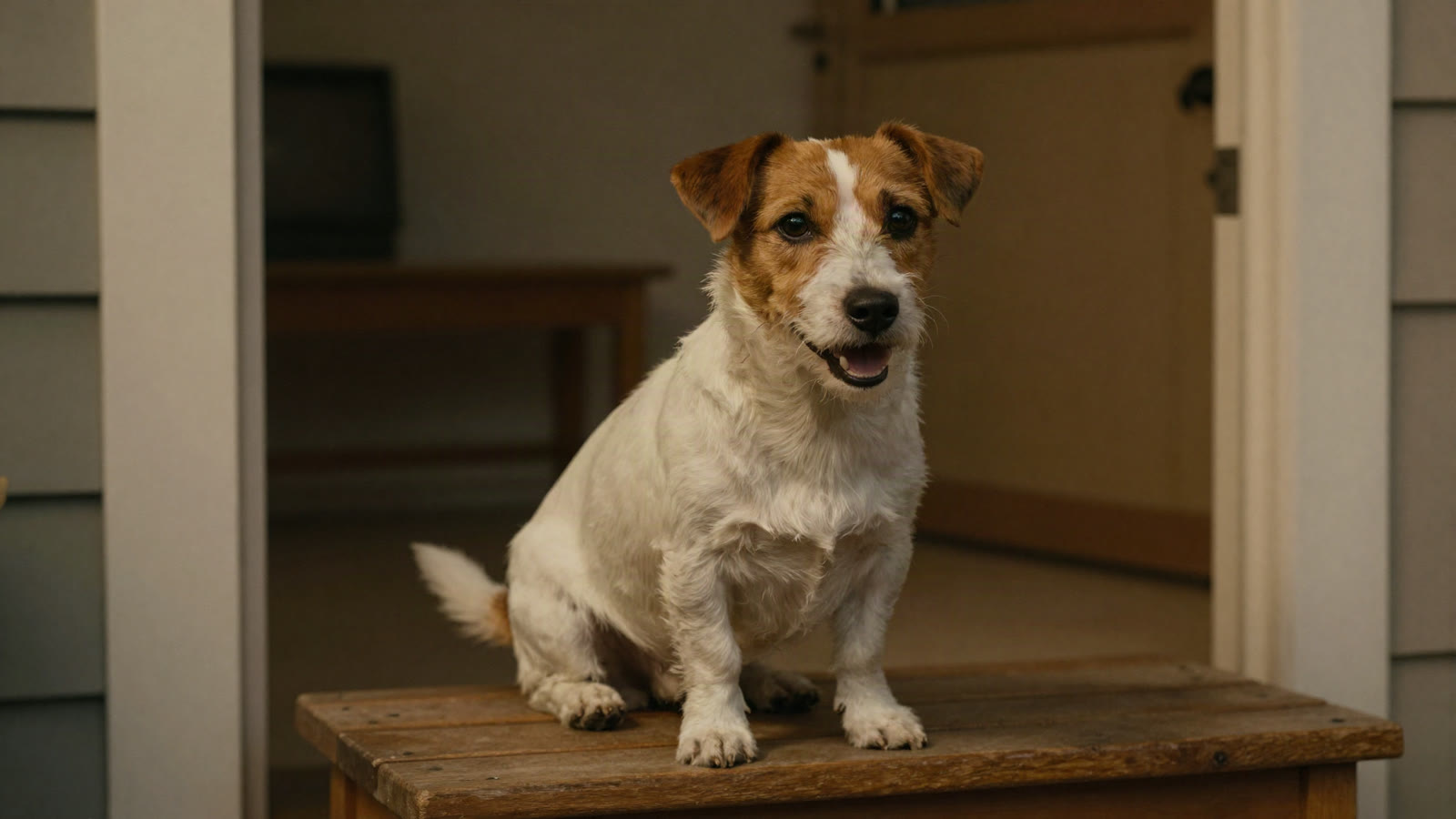
Jack Russell Terriers are tough, energetic little dogs with an impressively long lifespan of 13-16 years, and they are one of the hardiest breeds. Their main concerns are inherited eye diseases, joint problems like patellar luxation, and deafness in some lines.
What health problems are Jack Russell Terriers prone to?
Jack Russells are generally very healthy, but a few conditions run in the breed:
- Eye conditions: lens luxation (a displaced lens that can cause glaucoma and is a genuine emergency), cataracts, and progressive retinal atrophy (PRA).
- Patellar luxation: a slipping kneecap causing a hind-leg skip.
- Legg-Calve-Perthes disease: degeneration of the hip joint in young small-breed dogs, causing pain and limping.
- Deafness: congenital hearing loss, more common in mostly white dogs.
- Dental disease: common in small breeds.
- Ataxia and myelopathy: rarer inherited neurological conditions in some lines.
What early signs should Jack Russell owners watch for?
These active dogs hide discomfort well, so watch for:
- A sudden painful, red, or cloudy eye, or squinting (possible lens luxation, an emergency)
- Cloudiness over time or bumping into things (cataracts or PRA)
- A hind-leg skip or hop, or limping on a back leg (patellar luxation)
- Limping or pain in a young dog's hip that worsens (Legg-Calve-Perthes)
- Not responding to sounds or being easily startled (deafness)
- Bad breath, tartar, or reluctance to chew (dental disease)
Lens luxation is the one to know: a sudden painful eye needs same-day veterinary care to protect vision.
How do you keep a Jack Russell Terrier healthy?
These little athletes thrive with plenty of activity and good preventive care:
- Give them lots of exercise and mental work: Jack Russells are high-energy and need daily activity to stay happy and avoid problem behaviors.
- Keep them lean: a healthy weight protects the knees and hips.
- Screen the eyes: ask about periodic eye exams, especially given the lens luxation risk, and act fast on any sudden eye pain.
- Keep up dental care with regular brushing and checkups.
- Choose tested lines: good breeders screen for eye disease and can test hearing (BAER).
Tracking weight and vet visits over time helps breed issues surface as trends. Logging weigh-ins, eye exams, and any limping episodes in Tavi gives you and your vet a clear history for this long-lived breed.
How long do Jack Russell Terriers live, and when should you see the vet?
Jack Russell Terriers typically live 13 to 16 years, and some reach their late teens. Their working-dog genetics make them one of the more robust, long-lived breeds.
Seek emergency care for any sudden painful or cloudy eye (possible lens luxation). See your vet promptly for persistent limping, gradual vision changes, suspected deafness, or dental problems. Annual checkups (twice yearly for seniors), with periodic eye exams, help keep this hardy terrier healthy well into old age.
Frequently asked questions
Are Jack Russell Terriers healthy dogs?
Yes, Jack Russell Terriers are one of the healthiest and longest-lived breeds, often reaching 13-16 years. Their main inherited concerns are eye diseases (especially lens luxation), patellar luxation, hip issues like Legg-Calve-Perthes in young dogs, and deafness in some lines. Keeping them lean, active, and up to date on eye and dental care supports their naturally long lifespan.
What is lens luxation in Jack Russells?
Lens luxation is an inherited condition where the lens of the eye slips out of position, which can rapidly cause glaucoma and vision loss. It is a genuine emergency. Signs include a sudden painful, red, or cloudy eye and squinting. Jack Russells are a high-risk breed, so any sudden eye change should be seen the same day, and genetic testing is available for at-risk lines.
How much exercise does a Jack Russell Terrier need?
A lot. Jack Russells are high-energy working terriers that need substantial daily exercise plus mental stimulation, such as long walks, active play, and training games. Without enough activity, they can become bored, destructive, and vocal. Regular exercise also keeps them lean, protecting their joints. A tired Jack Russell is a well-behaved one, so plan for an active lifestyle before getting one.
Are Jack Russell Terriers prone to deafness?
Some are. Congenital deafness occurs in the breed, particularly in dogs that are mostly white, and it can affect one or both ears. Signs include not responding to sounds or being easily startled. Responsible breeders can BAER-test puppies for hearing. Deaf dogs can still live full, happy lives with training adapted to hand signals and vibration cues.
Tavi's guides are informational and not a substitute for professional veterinary advice, diagnosis or treatment. When in doubt, call your veterinarian.