Abyssinian Cat Health Issues & Lifespan
Start here
Abyssinians are active, generally healthy cats that typically live 12-15 years or more, but the breed carries a few notable inherited risks. The most important are pyruvate kinase (PK) deficiency, progressive retinal atrophy (a cause of blindness), and a predisposition to dental disease and kidney amyloidosis. Responsible breeding and routine screening make a real difference.
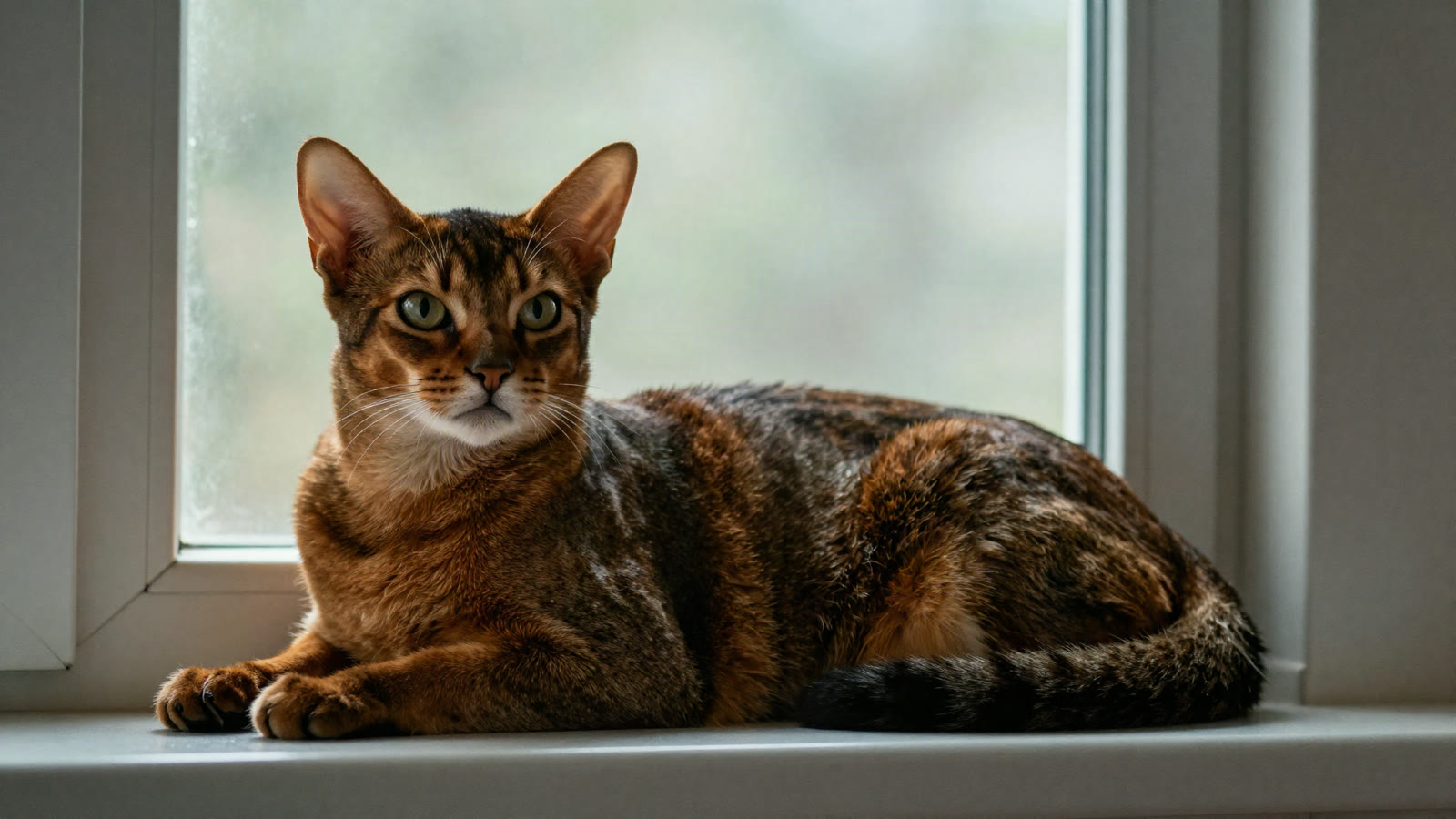
What health problems are Abyssinians prone to?
The Abyssinian is one of the more genetically documented cat breeds, so its main risks are well known:
- Pyruvate kinase (PK) deficiency - an inherited enzyme defect causing intermittent anemia. A DNA test exists, and responsible breeders screen for it.
- Progressive retinal atrophy (PRA) - a hereditary degeneration of the retina that can lead to blindness; also DNA-testable.
- Renal amyloidosis - abnormal protein deposits that can cause chronic kidney disease in this breed.
- Periodontal disease and gingivitis - Abyssinians are notably prone to dental and gum problems.
- Patellar luxation - a kneecap that slips out of place in some lines.
What early signs should I watch for?
Watch for pale gums, lethargy, or weakness that comes and goes, which can point to PK-deficiency anemia. Bumping into objects, hesitation in dim light, or dilated pupils may signal vision loss from PRA.
Increased thirst and urination, weight loss, or poor appetite can indicate kidney trouble, while bad breath, drooling, or reluctance to eat hard food often means dental disease. Any of these deserves a vet visit.
How do I keep an Abyssinian healthy?
Start with genetics: if you're buying a kitten, choose a breeder who DNA-tests for PK deficiency and PRA. From there, focus on prevention:
- Prioritize dental care - brushing, dental diets, and regular professional cleanings, since this breed is gum-disease-prone.
- Feed a quality complete diet and keep this lean, athletic cat at a healthy weight with plenty of climbing and play.
- Support kidney health with fresh water and, from middle age, periodic bloodwork and urine testing.
Because kidney and dental issues develop slowly, tracking helps. Logging weight, vet visits, and dental cleanings in Tavi lets breed tendencies show up as trends, so you and your vet can act early.
How long do Abyssinians live, and when should I see the vet?
Abyssinians commonly live 12 to 15 years, and many well-cared-for cats reach their late teens. Managing their known genetic risks is the key to a long, comfortable life.
See your vet promptly for episodes of weakness or pale gums, signs of vision loss, increased thirst and urination, or a drop in appetite. Ask about senior kidney screening from around age seven, and about DNA testing if the cat's genetic status is unknown.
How does an Abyssinian's activity level fit into its care?
Abyssinians are among the most active, curious, and athletic of all cat breeds - often described as perpetual kittens. That energy is a health asset, since it keeps them naturally lean and engaged, but it comes with responsibilities.
These cats need genuine daily outlets: tall cat trees, shelves to climb, interactive play, and puzzle feeders. A bored Abyssinian can become stressed or destructive, and stress contributes to urinary and digestive upset. Their inquisitive nature also means they investigate everything, so keep string, small objects, and toxic plants out of reach to avoid foreign-body emergencies.
The upside is that an active Abyssinian rarely struggles with obesity the way calmer breeds do. Channel their drive with enrichment, keep them mentally and physically busy, and much of their day-to-day health takes care of itself - leaving you free to focus on the inherited risks that actually need monitoring.
Frequently asked questions
What do Abyssinians usually die from?
Like most cats, older Abyssinians most often develop chronic kidney disease, and the breed has a particular predisposition to renal amyloidosis. Inherited conditions such as PK deficiency and PRA affect quality of life more than lifespan when managed. Routine senior bloodwork helps catch kidney decline early.
Should an Abyssinian kitten be DNA tested?
Ideally the breeder has already DNA-tested the parents for pyruvate kinase deficiency and progressive retinal atrophy, both of which have reliable genetic tests. If that history is unknown, ask your vet about testing your cat. It won't change a healthy cat's life but guides monitoring and future breeding decisions.
How long do Abyssinian cats live?
Abyssinians typically live 12 to 15 years, with many reaching their late teens when kept lean, dentally healthy, and screened for kidney disease as they age. Good genetics from a testing breeder and consistent veterinary care are the biggest factors in reaching the upper end of that range.
Are Abyssinians prone to dental problems?
Yes. Abyssinians are notably susceptible to gingivitis and periodontal disease. Signs include bad breath, drooling, red gums, and reluctance to eat hard kibble. Regular tooth brushing, dental diets, and professional cleanings under your vet's guidance are important for this breed and help prevent painful, expensive dental disease later.
Tavi's guides are informational and not a substitute for professional veterinary advice, diagnosis or treatment. When in doubt, call your veterinarian.