How to Express a Dog's Anal Glands Safely
Start here
A dog's anal glands are two small scent sacs just inside the rectum that normally empty on their own during a bowel movement. When they don't, dogs may scoot, lick under the tail, or give off a fishy odor. Most dogs never need manual expression — and doing it unnecessarily can cause harm. If your dog shows signs of trouble, the safest route is to have a vet or trained groomer check and express them and show you what's normal.
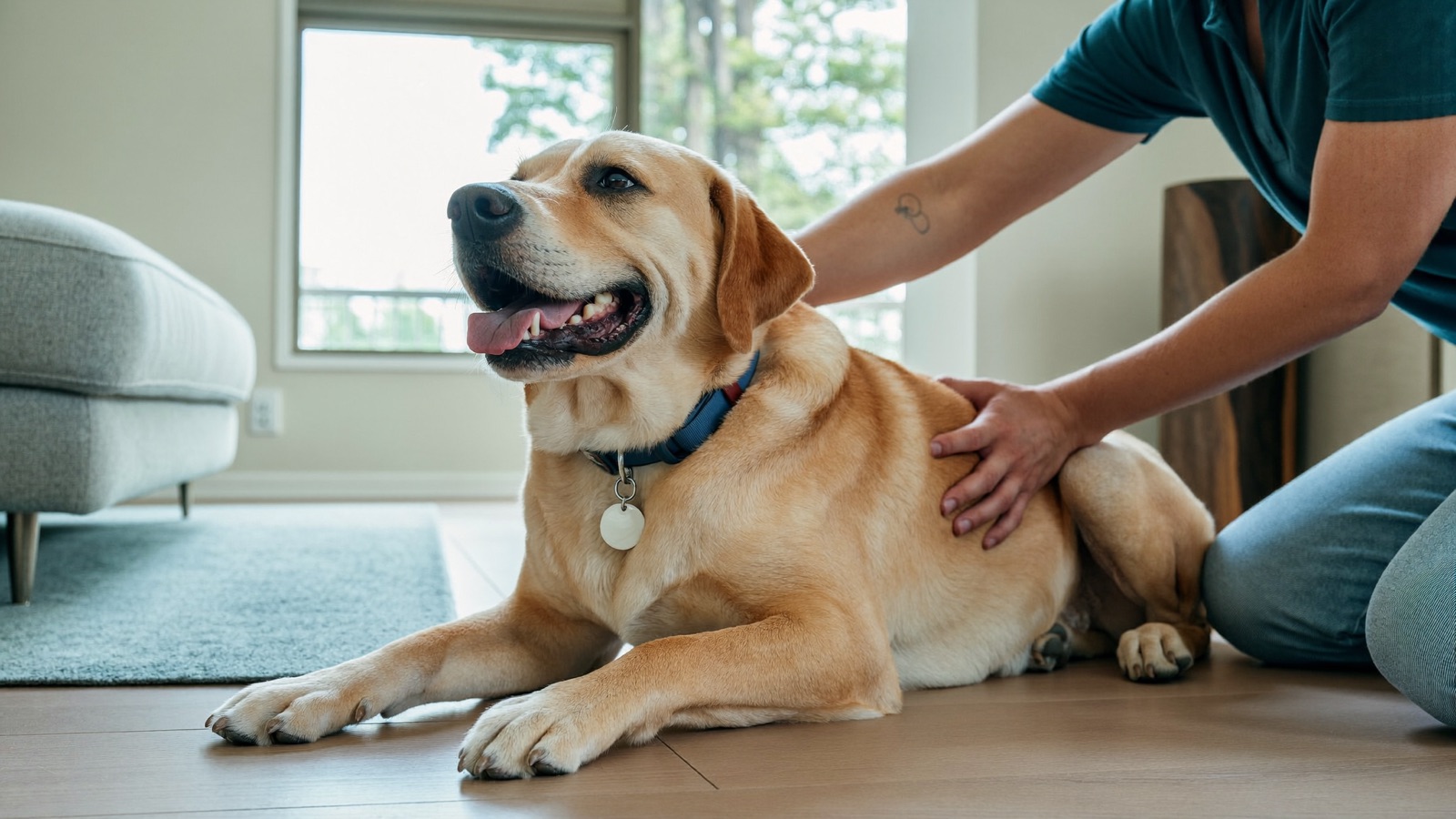
What anal glands are and why they matter
Anal glands (or anal sacs) are two small pouches sitting at roughly the 4 o'clock and 8 o'clock positions just inside your dog's anus. They fill with a smelly, oily fluid that's part of how dogs mark territory and identify each other — it's why dogs sniff rear ends. Normally, the pressure of a firm stool passing by squeezes them empty automatically.
Problems start when the fluid isn't released and builds up. This can lead to impaction (full, uncomfortable glands), infection, or a painful abscess that can rupture. Small breeds and overweight dogs tend to have more trouble, though any dog can be affected.
Signs the glands need attention
Watch for these common clues:
- Scooting — dragging the rear along the floor.
- Excessive licking or biting under the tail or at the anus.
- A strong fishy or metallic smell.
- Discomfort sitting, a swollen area beside the anus, or chasing the tail.
- Redness, discharge, or blood near the rectum — possible infection or abscess.
See a vet promptly if you notice swelling, an open or draining sore beside the anus, bleeding, or signs of pain — these can mean infection or a ruptured abscess that needs medical treatment, not home expression.
Should you express them at home?
Here's the honest answer many owners don't hear: most dogs never need their anal glands manually expressed. Healthy glands empty themselves. Expressing glands that don't need it can irritate the delicate tissue, cause inflammation and scarring, and actually create the recurring problem you're trying to avoid.
Practical take: If your dog has no symptoms, leave the glands alone. If your dog does have symptoms, the best first step is a vet visit — they can confirm it's really the glands (scooting can also mean worms, allergies or itchy skin), rule out infection, and show you the correct technique if your dog genuinely needs regular expression.
Some owners of chronically affected dogs do learn to express glands at home under their vet's guidance. If that's you, have your vet or an experienced groomer teach you hands-on first — written instructions alone aren't enough to do it safely.
What professional expression involves
When a vet or trained groomer expresses the glands, they typically:
- Wear gloves and use a lubricated finger, sometimes internally, to gently locate each sac.
- Apply careful, even pressure to empty the fluid into a tissue.
- Check the fluid — normal is thin and brownish; thick, pasty, bloody or pus-like fluid suggests a problem.
- Assess whether infection or impaction is present and treat accordingly.
Never use force, sharp objects, or repeated squeezing on a gland that won't empty easily — that's a sign to stop and let a professional handle it.
Preventing anal gland problems
You can lower the odds of recurring issues:
- Feed enough fiber so stools are firm and bulky — firm stool is what naturally empties the glands. Ask your vet about adding fiber if scooting is frequent.
- Keep your dog at a healthy weight; extra fat around the rectum interferes with normal emptying — see is my dog overweight.
- Ensure good hydration and regular exercise for healthy digestion.
- Track the pattern — note when scooting happens and how often the glands need attention, so you and your vet can tell whether it's an occasional nuisance or a chronic issue needing a plan.
Dogs with truly chronic problems sometimes need a longer-term diet change or, in rare severe cases, surgical removal of the sacs — a decision your vet will guide.
Keep track of scooting and grooming needs
Tavi lets you log symptoms like scooting, grooming appointments and vet notes in one place, so you can see whether anal gland trouble is a one-off or a pattern worth addressing with your vet. Free for your first pet.
Frequently asked questions
Do all dogs need their anal glands expressed?
No. Most dogs empty their anal glands naturally during bowel movements and never need manual expression. Routinely expressing healthy glands can actually irritate them and create problems, so it's best done only when a dog shows symptoms.
How do I know if my dog's anal glands are full?
The classic signs are scooting along the floor, excessive licking under the tail, a strong fishy smell, and discomfort sitting. If you see these, have a vet check them, since similar signs can also come from allergies, worms or skin problems.
Is it safe to express my dog's anal glands myself?
It can be for some chronically affected dogs, but only after a vet or experienced groomer has shown you the correct hands-on technique. Doing it wrong or too often can injure the tissue, so if you're unsure or see swelling or blood, leave it to a professional.
How often should anal glands be expressed?
There's no set schedule — healthy dogs need it never. Dogs with recurring issues might need it every few weeks to months, but the goal is to reduce that need through diet, fiber and weight management rather than expressing on a routine just in case.
What happens if anal glands aren't expressed when needed?
If truly impacted glands aren't emptied, the fluid can thicken and the sac can become infected and form a painful abscess that may rupture through the skin. That's a veterinary problem needing antibiotics or drainage, so persistent symptoms shouldn't be ignored.
Tavi's guides are informational and not a substitute for professional veterinary advice, diagnosis or treatment. When in doubt, call your veterinarian.