How to Clean Your Dog's Ears the Right Way
Start here
To clean your dog's ears, fill the ear canal with a vet-approved ear cleaner, massage the base of the ear for 20–30 seconds, let your dog shake, then wipe away loosened debris with cotton balls or gauze. Never push cotton swabs down into the canal — you can pack in debris or damage the eardrum. Clean only when needed, not on a rigid schedule, and see your vet if the ear is red, smelly or painful.
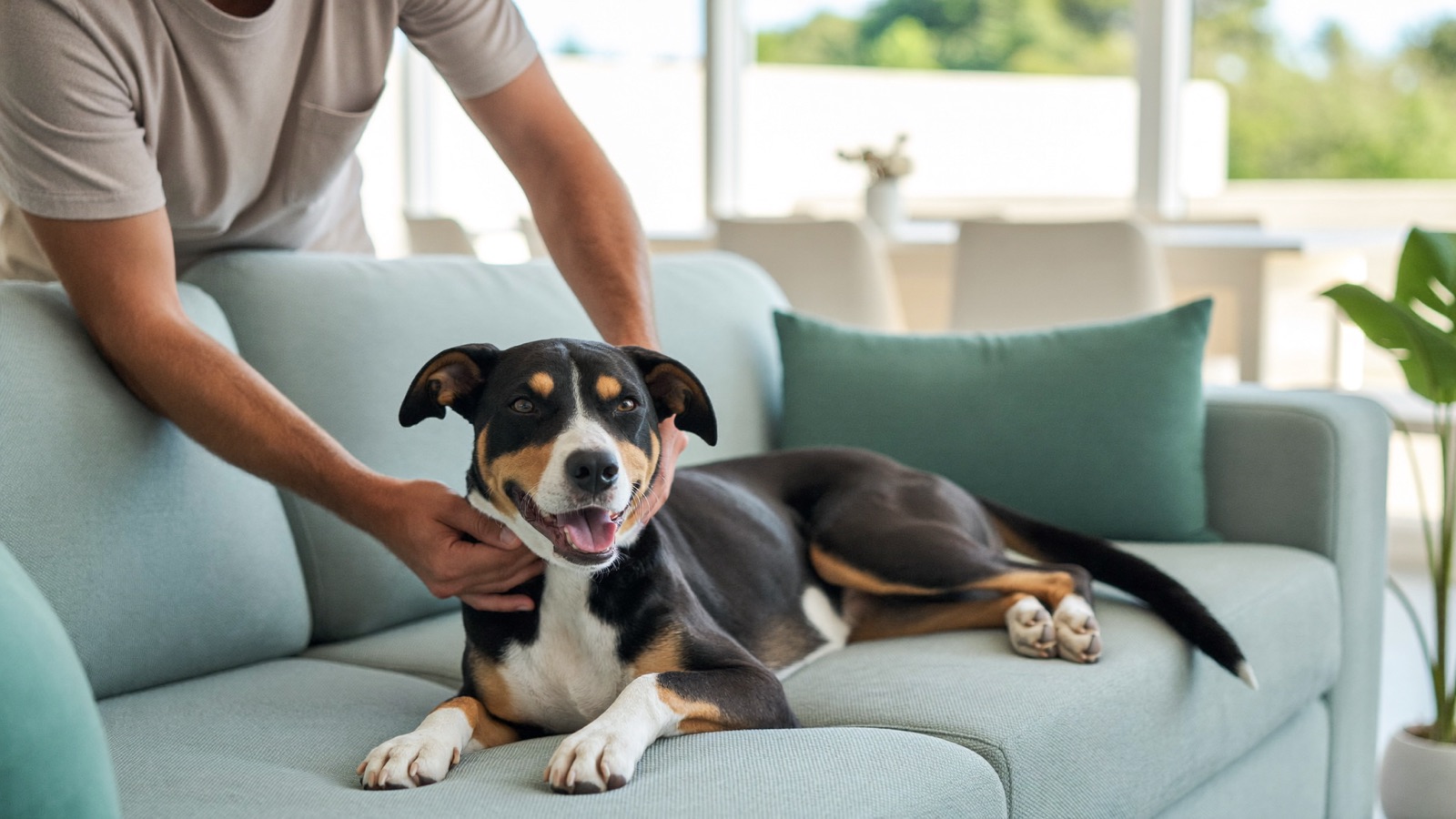
When ears need cleaning
Healthy dog ears are largely self-cleaning and don't need frequent attention. Cleaning is about maintenance and catching problems early — not a daily chore. Clean when you notice mild wax buildup or a slight odor, after swimming or baths in breeds prone to moisture, or on the schedule your vet recommends for a dog with a history of ear issues.
Some dogs need it more often than others. Dogs with floppy ears (like Cocker Spaniels and Basset Hounds), lots of ear hair, allergies, or those who swim frequently trap more moisture and are more prone to buildup and infection. Dogs with upright, airy ears often need very little.
Practical take: Over-cleaning can irritate the canal and actually cause problems. If the ears look clean, pale pink and odor-free, leave them alone.
What you'll need
Keep it simple and vet-approved:
- A dog-specific ear cleaning solution — ask your vet for a recommendation. Avoid hydrogen peroxide, alcohol, vinegar or homemade mixes, which can sting and irritate.
- Cotton balls or gauze — never cotton swabs (Q-tips) inside the canal.
- Treats to keep the experience positive.
- A towel — expect some shaking and splatter.
Step by step
- Settle your dog in a calm spot and have treats ready. Choose a time when they're relaxed.
- Fill the canal with cleaner. Gently lift the ear flap and squeeze the recommended amount into the ear opening. Don't let the bottle tip touch the ear (to keep it clean).
- Massage the base of the ear — the firm area below the opening — for 20 to 30 seconds. You should hear a squishing sound as it breaks up debris.
- Let your dog shake its head; this brings debris up out of the canal.
- Wipe away the loosened gunk from the visible part of the ear and canal opening with a cotton ball or gauze wrapped over your finger. Only go as far as your finger comfortably reaches.
- Reward and repeat on the other ear.
Signs of an ear infection
Don't clean an infected or painful ear — see your vet. Cleaning won't fix an infection and can be very painful if the ear is inflamed or the eardrum is affected. Book a visit if you notice any of the signs below.
Warning signs that mean it's time for the vet, not a home clean:
- Redness, swelling or heat inside the ear.
- A bad smell — yeasty or foul.
- Dark, brown, yellow or bloody discharge, or lots of wax.
- Head shaking, scratching, or rubbing the ear persistently.
- Pain when you touch the ear, or a head tilt.
- Crusting or hair loss around the ear.
Ear infections are common and very treatable, but they need the right medication and often a look at what's causing them — frequently allergies, moisture or mites.
Preventing ear problems
A few habits go a long way:
- Dry the ears after swimming and baths, especially in floppy-eared dogs.
- Keep up with allergy management — chronic ear infections are often a symptom of underlying skin allergies your vet can treat.
- Check the ears weekly with a quick look and sniff so you catch changes early.
- Don't over-clean or use harsh products.
Because ear trouble tends to recur, logging when infections happen and what the ear looked like helps you and your vet spot patterns — like flare-ups every summer or after swimming — and get ahead of them.
Catch recurring ear trouble early
Tavi lets you log ear cleanings, symptoms and vet visits and see the pattern over time, so recurring infections and their triggers become obvious instead of feeling random. Free for your first pet.
Frequently asked questions
How often should I clean my dog's ears?
Only as often as needed — many dogs need it rarely, while floppy-eared dogs, swimmers or those with allergies may need it every week or two. Over-cleaning irritates the canal, so if the ears look clean and smell normal, leave them alone or follow your vet's schedule.
Can I use cotton swabs to clean my dog's ears?
No. Cotton swabs can push debris deeper into the canal and risk damaging the eardrum. Use cotton balls or gauze on the visible part of the ear only, and let the cleaning solution and your dog's head shake do the work of bringing debris up.
What can I use to clean my dog's ears at home?
Use a dog-specific, vet-recommended ear cleaner. Avoid hydrogen peroxide, rubbing alcohol, vinegar and homemade solutions, which can sting and irritate the sensitive ear canal. When in doubt, ask your vet which product suits your dog.
How do I know if my dog has an ear infection?
Signs include redness, swelling, a bad or yeasty smell, dark or discolored discharge, head shaking, scratching, pain when touched, or a head tilt. These need veterinary treatment — cleaning alone won't cure an infection and may hurt if the ear is inflamed.
Why does my dog keep getting ear infections?
Recurring ear infections are often a sign of an underlying issue such as allergies, trapped moisture, ear anatomy or mites. Your vet can identify and treat the root cause, which is the key to breaking the cycle rather than just cleaning the ears repeatedly.
Tavi's guides are informational and not a substitute for professional veterinary advice, diagnosis or treatment. When in doubt, call your veterinarian.