Can Dogs Eat Tomatoes? Ripe vs Green
Start here
Yes to ripe red tomatoes in moderation; no to green tomatoes and the plant. Ripe, red tomato flesh is safe as an occasional treat. Green (unripe) tomatoes, stems, and leaves contain solanine and tomatine, which are toxic to dogs, so those must be avoided.
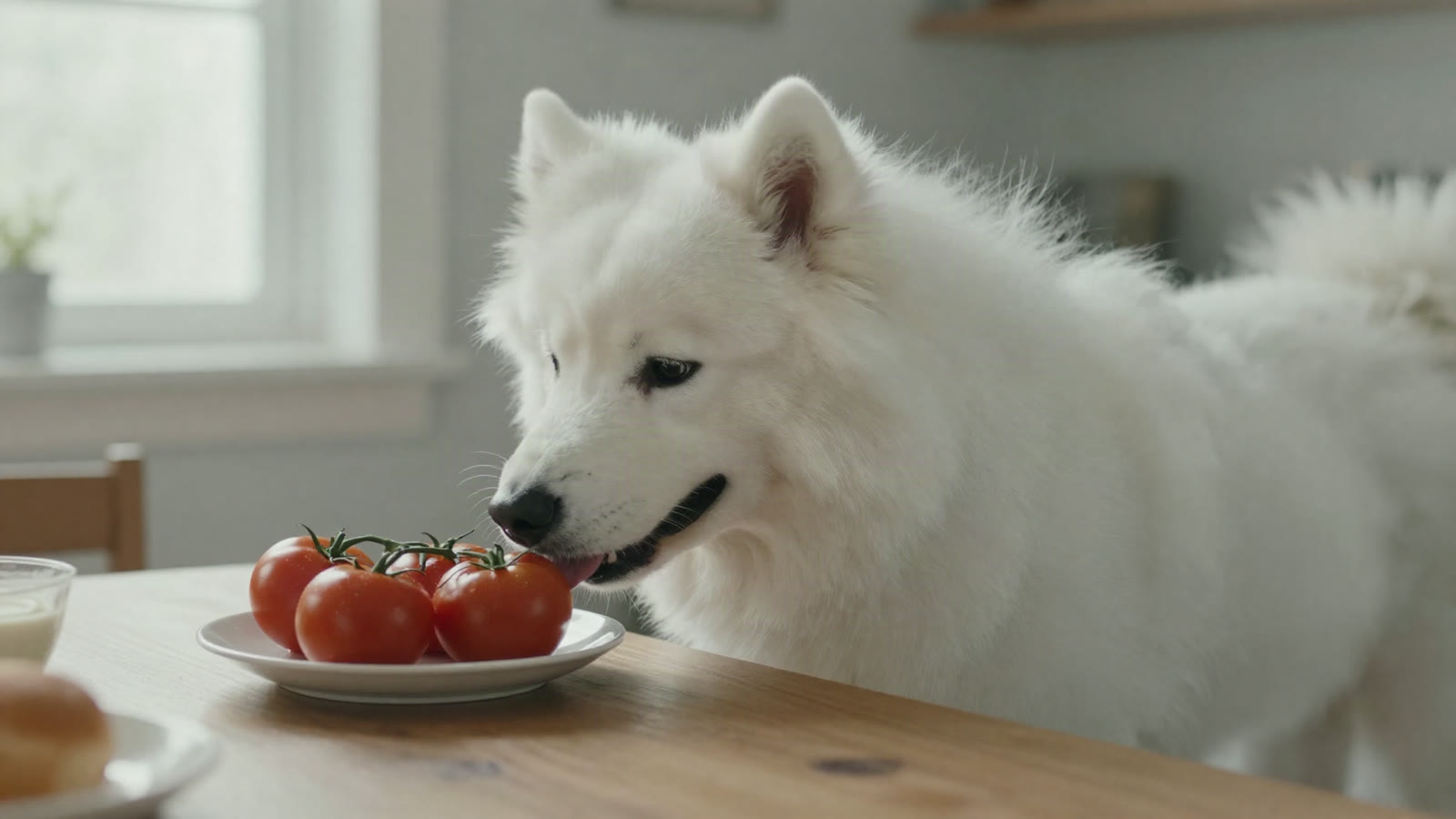
Are tomatoes safe for dogs?
Ripe, red tomatoes are safe for dogs in small amounts. The mature fruit is low in calories and contains vitamins A and C, potassium, and antioxidants like lycopene. As an occasional treat, a few pieces of plain ripe tomato are fine for most dogs.
The concern is with the green parts of the plant. Unripe (green) tomatoes and the stems and leaves contain solanine and tomatine, natural compounds that can be toxic in larger amounts. This is why fully ripe fruit is fine but the rest of the plant is not.
Why are green tomatoes and the plant dangerous?
Solanine and tomatine are concentrated in the green portions of the tomato plant. A dog would generally need to eat a fair amount to be seriously affected, but it's not worth the risk, especially for small dogs or those with access to a garden.
Signs of tomatine or solanine toxicity can include:
- Vomiting and diarrhea
- Loss of appetite
- Lethargy or weakness
- Drooling
- Tremors or an abnormal heart rate in severe cases
If your dog raids a tomato plant and eats leaves, stems, or green tomatoes, and shows any of these signs, call your vet or the ASPCA Animal Poison Control Center at (888) 426-4435.
How should I serve tomatoes?
Keep it to ripe fruit, plain:
- Choose fully ripe, red tomatoes only.
- Remove any stem, leaves, or green parts.
- Wash well and cut into small, bite-size pieces.
- Serve plain, with no salt, oil, or seasoning.
- Avoid tomato-based products like sauce, ketchup, and soup, which often contain onion, garlic, salt, and sugar.
Start with a small piece the first time and watch for any digestive upset, since some dogs have sensitive stomachs or mild sensitivities to nightshade vegetables.
What if my dog ate green tomatoes or plant parts?
A single small nibble of ripe tomato is nothing to worry about. But if your dog ate green tomatoes or chewed on the plant, monitor closely and call your vet, particularly for a small dog or a large amount. Note what and how much was eaten.
If you grow tomatoes, fence off the plants or supervise garden time. Keeping a quick log of any garden mishaps in Tavi's symptom checker gives your vet a clear timeline if symptoms develop.
Frequently asked questions
Can dogs eat ripe tomatoes?
Yes, in moderation. Fully ripe, red tomato flesh is safe for most dogs and provides vitamins and antioxidants. Serve it plain and in small amounts, remove any green stems or leaves, and skip seasoned or sauced tomatoes. Introduce it slowly, as some dogs have sensitive stomachs.
Why are green tomatoes bad for dogs?
Green (unripe) tomatoes, along with the plant's stems and leaves, contain solanine and tomatine, natural compounds that can be toxic to dogs in larger amounts. As tomatoes ripen, these levels drop in the fruit. That's why ripe red tomatoes are safe in moderation but green tomatoes and plant parts should be avoided.
Can dogs eat tomato sauce or ketchup?
It's best to avoid them. Tomato sauce, ketchup, and soups usually contain onion and garlic (both toxic to dogs), plus added salt and sugar. Even a spoonful can introduce ingredients that are harmful, especially for small dogs. Stick to a few pieces of plain, ripe fresh tomato instead.
How much tomato can a dog eat safely?
A few small pieces of ripe tomato as an occasional treat is plenty for most dogs. Treats like this should stay within about 10% of daily calories. Large amounts can cause stomach upset even with ripe fruit, and there's no benefit to feeding tomatoes regularly, so keep servings small.
Tavi's guides are informational and not a substitute for professional veterinary advice, diagnosis or treatment. When in doubt, call your veterinarian.