Can Dogs Eat Celery? Safe Serving
Start here
Yes, in moderation. Celery is a safe, low-calorie, crunchy treat for dogs. Wash it well, cut it into small bite-size pieces to prevent choking, and serve it plain. It's a good option for dogs watching their weight, but keep portions modest to avoid stomach upset.
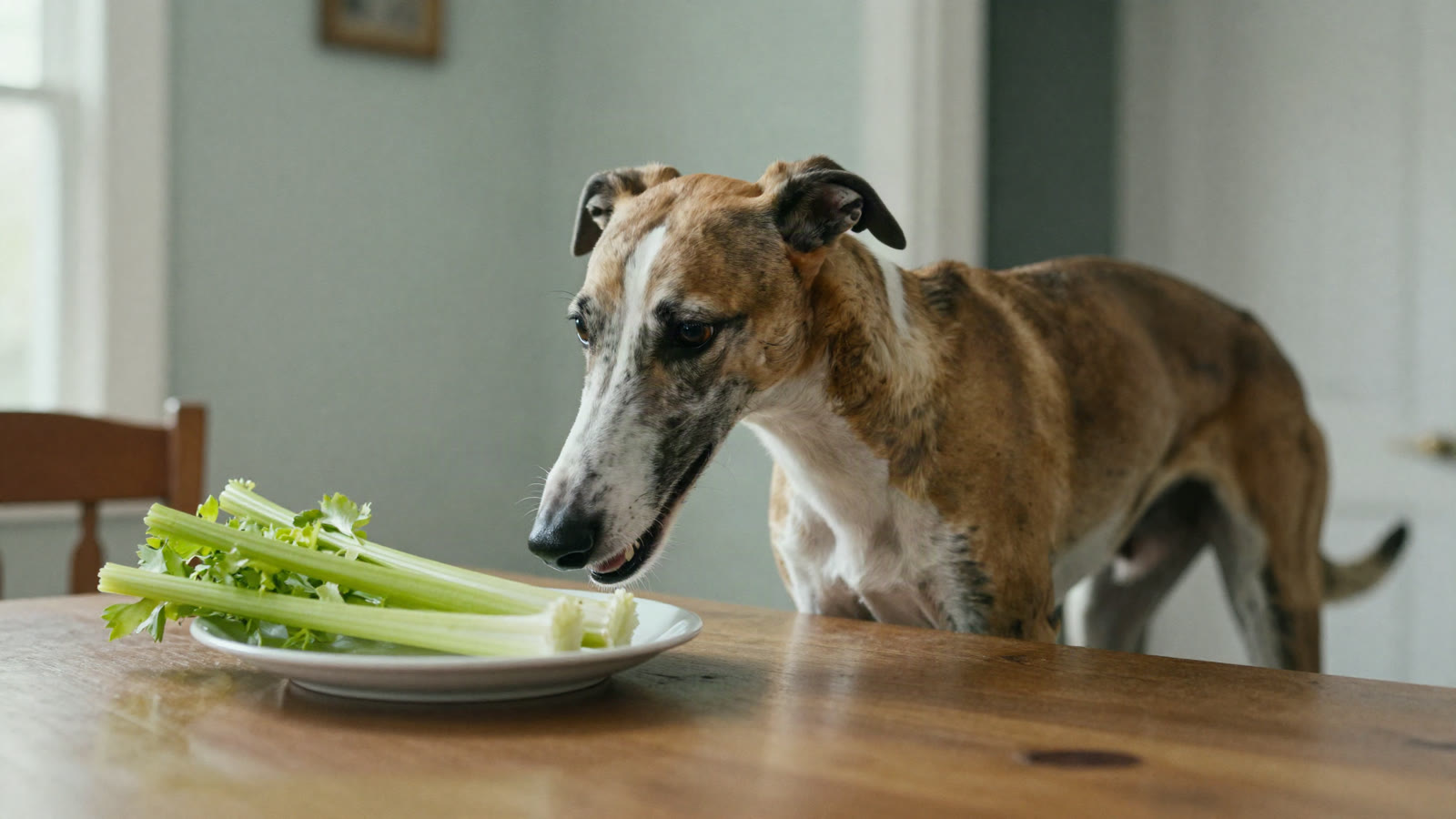
Is celery good for dogs?
Celery is safe and can be a genuinely useful treat. It's very low in calories and fat and high in water, which makes it a nice choice for overweight dogs or as a hydrating snack. It also provides fiber and vitamins A, C, and K, plus some potassium and folate.
The crunch appeals to many dogs, and some owners find it freshens the breath a little. As with any treat, celery should complement a balanced diet, not replace real meals.
How should I serve celery?
Simple preparation keeps it safe:
- Wash the stalks thoroughly.
- Cut into small, bite-size pieces to reduce choking risk, especially for small dogs, since the stringy fibers can be tricky.
- Serve raw or lightly steamed, plain.
- No salt, dips, peanut butter loaded with sugar, or seasoning.
Start with a small amount to see how your dog's stomach responds. A few pieces make a perfect low-calorie treat.
Are there any risks?
Celery is one of the safer vegetables, but a few things are worth noting:
- Choking: long stalks or big chunks can be a hazard, so always cut it down.
- Stomach upset: too much fiber can cause gas or loose stool.
- Increased urination: celery's high water content may mean more bathroom trips.
- Portion size: keep it modest, as with all treats.
Because celery is so low in calories, it's a smart swap for richer treats if you're managing your dog's weight. Logging weigh-ins and treat habits in Tavi makes those trends easy to see over time.
Can puppies and senior dogs eat celery?
Puppies can have small, finely chopped pieces of celery once they're eating solid food, but their main nutrition should come from a complete puppy diet. Chop it small to avoid choking. Senior dogs can enjoy celery too, and the low calories suit less active older dogs, though softening it by lightly steaming can make it easier to chew.
If your dog ever eats a large amount, you might see mild gas or loose stool. Offer water and pause treats, and it should resolve quickly. Contact your vet if symptoms are severe or persistent.
Frequently asked questions
How much celery can a dog eat?
A few small pieces as an occasional treat is plenty. Celery is low in calories, so it's a good option for weight management, but too much fiber can cause gas or loose stool. Keep treats to about 10% of your dog's daily calories and always cut celery into bite-size pieces first.
Can dogs eat celery leaves?
Celery leaves are not toxic to dogs, and small amounts are fine. However, they can be more bitter and may cause mild stomach upset in larger quantities. Most dogs do best with the washed, chopped stalks. As always, serve plain, without any seasoning, dressing, or salt.
Is raw or cooked celery better for dogs?
Both are safe when plain. Raw celery keeps its satisfying crunch and full nutrient content, while lightly steamed celery is softer and easier to chew, which can help puppies and senior dogs. Whichever you choose, cut it into small pieces and skip any butter, salt, or seasoning.
Can celery help my dog lose weight?
Celery can be a helpful part of a weight plan because it's very low in calories and filling thanks to its water and fiber, making it a good swap for richer treats. It won't cause weight loss on its own, though. Combine sensible treats with proper portions and exercise, and check with your vet.
Tavi's guides are informational and not a substitute for professional veterinary advice, diagnosis or treatment. When in doubt, call your veterinarian.