Can Cats Eat Tuna? Only in Small Amounts
Start here
Cats can eat small amounts of plain, cooked tuna as an occasional treat — but it should never be a regular meal. Tuna made for humans lacks the balanced nutrition cats need, can carry too much mercury over time, and some cats become so hooked on it they refuse their proper food. Use it sparingly, and choose plain tuna packed in water, not oil or with added salt.
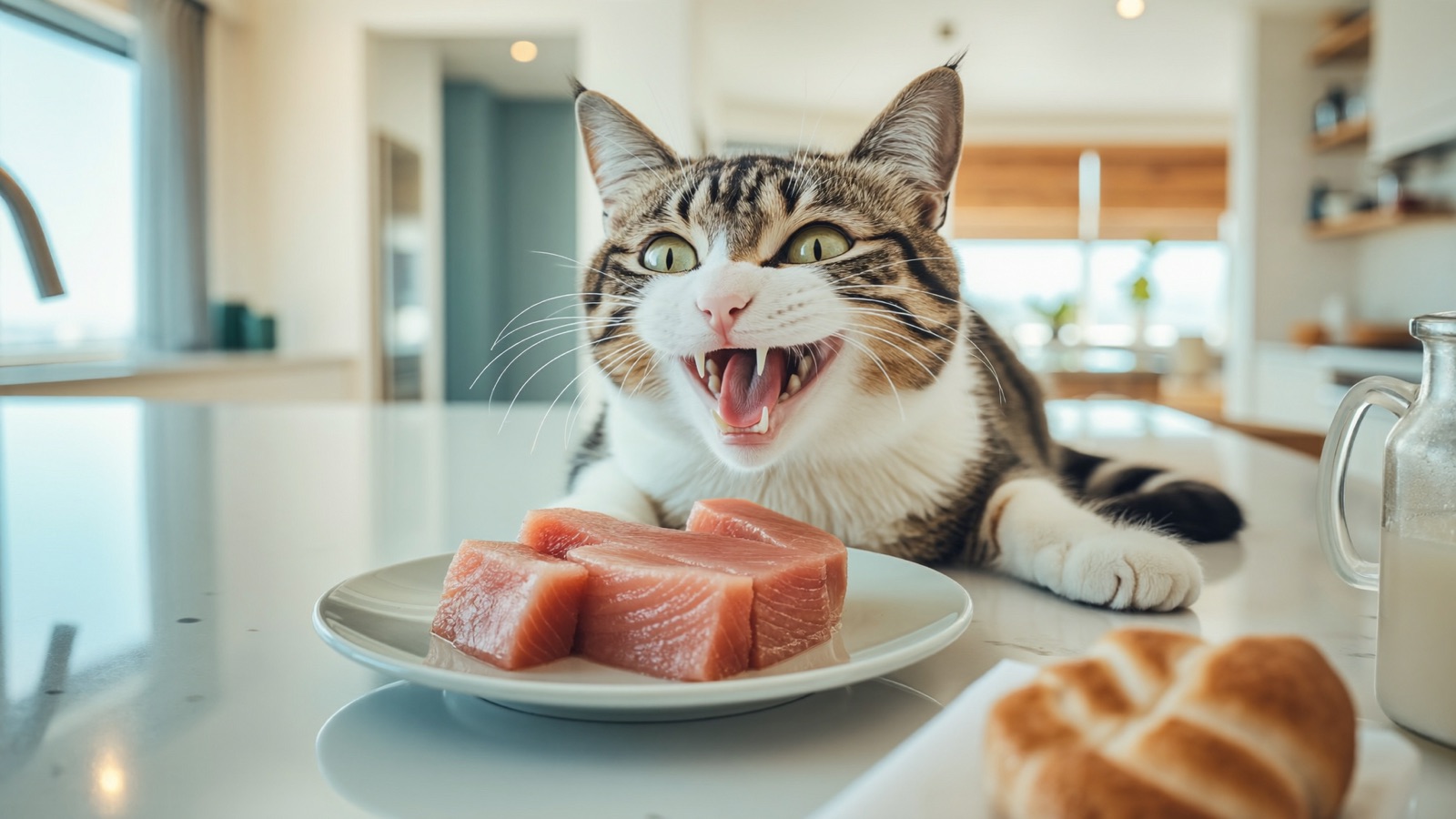
Is tuna safe for cats?
A little tuna now and then won't hurt most healthy cats, and many cats adore it. The problems come from making it a habit. Tuna intended for people is not a complete or balanced feline food, so a tuna-heavy diet leaves out nutrients cats can't live without and adds risks they don't need.
Think of tuna the way you'd think of a rich dessert — a small, occasional indulgence, not a meal plan.
Why too much tuna is a problem
Feeding tuna regularly can cause several distinct issues:
- Nutritional imbalance: tuna lacks the right balance of taurine, vitamins and minerals a cat needs. An all-tuna diet can lead to serious deficiencies over time.
- Mercury: tuna can accumulate mercury; large amounts over time risk mercury poisoning.
- Vitamin E deficiency (steatitis): diets heavy in oily fish can trigger a painful inflammation of body fat called yellow fat disease.
- Fussiness / "tuna addiction": some cats become so keen on tuna they turn up their noses at their balanced food.
- Added salt and oil: flavored, brined or oil-packed tuna adds sodium and fat cats don't need.
Practical take: If you offer tuna, use plain tuna packed in water, drained well, and keep it to a small spoonful on occasion.
How to serve tuna safely
If tuna is a treat in your house, keep it simple and small:
- Choose plain, cooked tuna packed in water — no oil, brine, salt, garlic, onion or seasoning.
- Offer a small amount — a spoonful mixed into food or given on its own, occasionally.
- Skip raw tuna, which carries a risk of bacteria and parasites and also contains an enzyme that can break down a key B vitamin.
- Never rely on tuna to get pills down long-term — ask your vet for better options.
Treats of any kind should make up only a small fraction of your cat's daily calories; the bulk should come from a complete, balanced cat food.
Tuna vs. proper cat food
Here's the key difference at a glance:
| Canned tuna (for people) | Complete cat food | |
|---|---|---|
| Taurine & balanced nutrients | Not guaranteed | Yes, formulated for cats |
| Mercury concern with regular use | Yes | No |
| Added salt/oil (some products) | Often | No |
| Suitable as a full diet | No | Yes |
Cat food formulated with fish is a safer way to give your cat that flavor without the imbalance of plain canned tuna.
When to check with your vet
Ask your vet before offering tuna if your cat has kidney disease, heart disease, or is on a special diet, since the extra sodium and phosphorus can matter. If your cat suddenly refuses regular food, becomes fixated on tuna, or shows signs like pain when touched, poor coat, or lethargy, book a visit.
Keeping a simple log of what your cat eats, along with weight and appetite over time, makes it easy to notice if treats are nudging out balanced meals — and gives your vet a clear history if anything changes.
Keep an eye on what really goes in the bowl
Tavi tracks your cat's weight, appetite and the treats you log over time — so you can spot if tuna or other snacks are crowding out balanced meals before it affects your cat's health. Free for your first pet.
Frequently asked questions
Can I feed my cat tuna every day?
No. Daily tuna can cause nutritional deficiencies, mercury buildup, and in some cats a painful condition called steatitis from too much oily fish. Tuna should be an occasional small treat, not a regular meal, with the bulk of the diet coming from complete cat food.
What kind of tuna is safe for cats?
Plain, cooked tuna packed in water and well drained, with no added salt, oil, brine or seasoning. Avoid oil-packed and flavored tuna, and avoid raw tuna, which carries bacteria, parasite and vitamin-related risks. Offer only a small amount occasionally.
Why does my cat love tuna so much?
Tuna is strongly flavored and aromatic, which is very appealing to cats. Unfortunately some cats become so fixated on it that they refuse their balanced food — a pattern sometimes called tuna addiction. That's a key reason to keep it an occasional treat rather than a staple.
Can tuna give cats mercury poisoning?
Regularly eating large amounts of tuna can lead to mercury accumulation over time, which is why it isn't recommended as a dietary staple. An occasional small serving is generally fine for a healthy cat, but frequent feeding raises the risk.
Is canned tuna in water okay for cats?
In small, occasional amounts, plain tuna packed in water and well drained is the safest choice — better than tuna in oil or with added salt. It still isn't nutritionally complete, so keep it a treat and rely on proper cat food for daily nutrition.
Tavi's guides are informational and not a substitute for professional veterinary advice, diagnosis or treatment. When in doubt, call your veterinarian.