Can Cats Eat Eggs? Safe Ways to Feed Them
Start here
Yes — cats can eat eggs, as long as they're fully cooked and plain. Cooked eggs are a good source of protein and amino acids for cats, who are meat-eaters by nature. The key rules: cook them thoroughly (scrambled or boiled with no butter, oil, salt or seasoning), and keep them to an occasional treat rather than a meal. Raw eggs carry real risks and should be avoided.
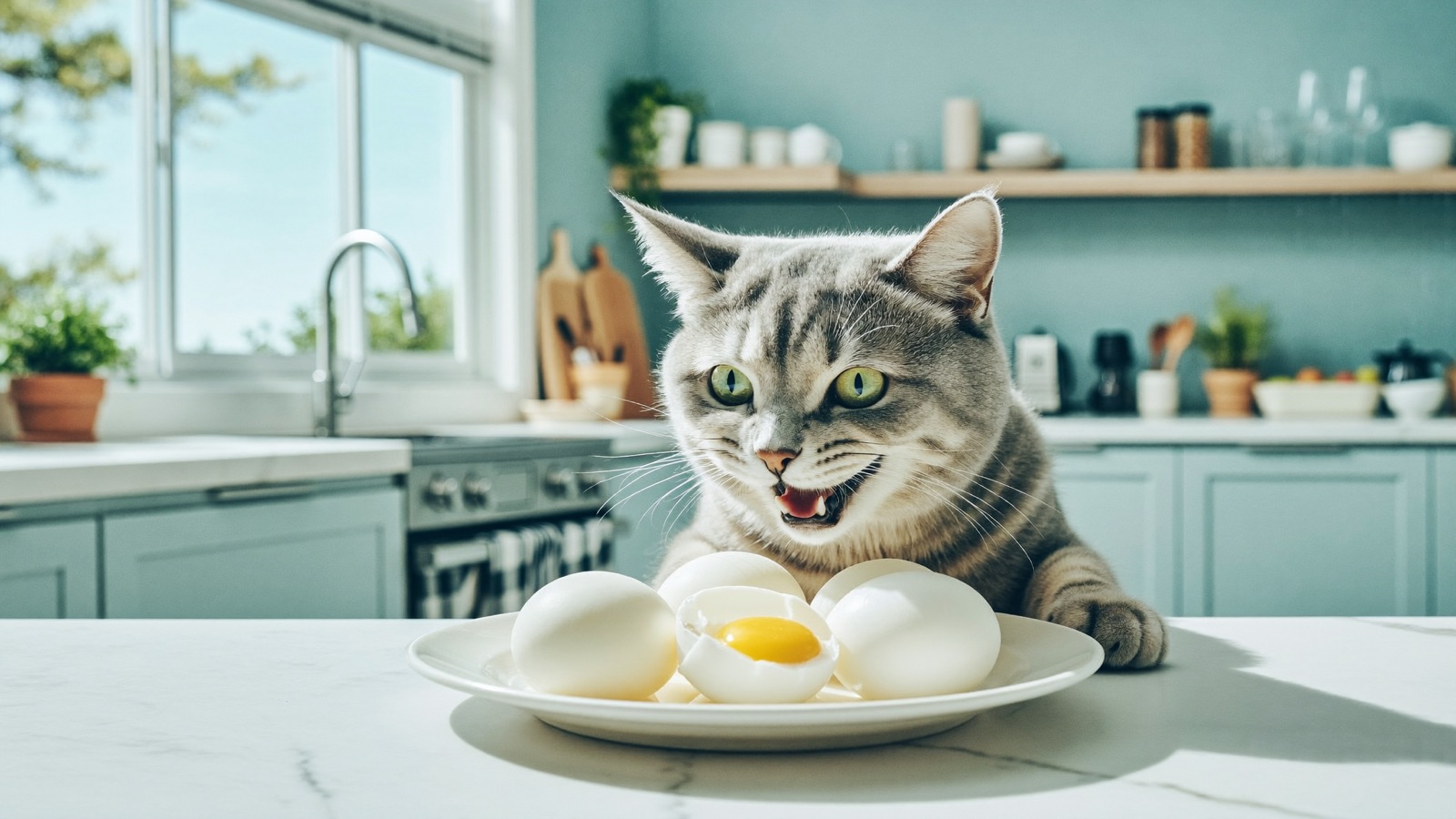
Are eggs good for cats?
Cats are obligate carnivores, meaning their bodies are designed to run on animal protein — and eggs are an excellent, highly digestible protein source. A little cooked egg delivers quality amino acids plus nutrients like vitamin B12 and riboflavin.
That said, eggs are a treat, not a complete diet. They don't contain everything a cat needs (notably taurine in the amounts a cat requires), so they should complement a balanced commercial cat food, not replace it. Think of eggs as an occasional bonus, not a daily staple.
Why raw eggs are risky
Feeding raw egg to a cat carries two specific problems:
- Salmonella and E. coli: raw eggs can carry bacteria that cause vomiting, diarrhea and food poisoning in cats — and can spread to people in the household.
- Avidin and biotin: raw egg white contains a protein called avidin that binds biotin (a B vitamin). Over time, lots of raw white can contribute to a biotin deficiency, affecting skin and coat.
Cooking solves both issues: heat kills the bacteria and deactivates the avidin. So cooked egg gives you the benefits without the downsides.
How to serve eggs safely
Keep it simple and plain:
| Do | Don't |
|---|---|
| Scramble or hard-boil until fully cooked | Serve raw or runny |
| Cook with no oil, butter or spray | Add salt, pepper or seasoning |
| Offer a small piece, cooled | Add onion, garlic or chives (toxic to cats) |
| Chop into bite-sized bits | Feed a whole egg as a meal |
Practical take: A teaspoon or two of plain cooked egg is plenty for an average cat, offered once or twice a week at most.
Portion size and calories
Eggs are calorie-dense, and cats are small. All treats combined — eggs included — should stay under about 10% of your cat's daily calories. For most cats a small spoonful of cooked egg is a full portion; a whole egg is far too much and can lead to weight gain if it becomes a habit.
Watch for signs a treat didn't agree with your cat: vomiting, diarrhea, or a loss of appetite. And because eggs are a common food allergen, introduce them in a tiny amount the first time and see how your cat responds before offering more.
Track new treats the smart way
Whenever you add a new food like egg, it's worth noting the first time your cat tries it and whether anything changed afterward — a bout of loose stool, itchy skin, or no reaction at all. Keeping a simple log of new foods and how your cat responded makes it far easier to tell a true food sensitivity from a one-off, and gives your vet real information if a diet question ever comes up.
Keep tabs on treats and your cat's reactions
Tavi lets you log new foods, portions and any digestive changes so you can see what agrees with your cat over time — and share a clear history with your vet. Free for your first pet.
Frequently asked questions
Can cats eat scrambled eggs?
Yes, scrambled eggs are one of the safest ways to feed egg to a cat — as long as they're cooked plain with no butter, oil, salt or seasoning. Serve a small amount, cooled, as an occasional treat rather than a meal.
Can cats eat raw eggs?
No, raw eggs are not recommended. They can carry Salmonella and E. coli, and raw egg white contains avidin, a protein that can interfere with biotin absorption over time. Cooking the egg fully removes both risks.
How much egg can I give my cat?
A small amount — a teaspoon or two of cooked egg — is plenty for an average cat, offered once or twice a week at most. All treats together should stay under about 10% of your cat's daily calories to avoid weight gain.
Can cats eat eggshells?
Some owners grind eggshell as a calcium supplement, but you should only do this with your vet's guidance, since a balanced cat food already provides the calcium your cat needs. Whole or large shell pieces can be a choking or digestive hazard, so don't offer them casually.
Can kittens eat eggs?
A tiny amount of plain cooked egg is generally fine for kittens as an occasional treat, but their main nutrition should come from a complete kitten food formulated for growth. Check with your vet before adding any extras to a kitten's diet.
Tavi's guides are informational and not a substitute for professional veterinary advice, diagnosis or treatment. When in doubt, call your veterinarian.