Can Cats Eat Fish? Benefits & Hidden Risks
Start here
Yes — cats can eat fish, but it's best as an occasional treat rather than a staple. Plain, cooked, boneless fish is safe and a good source of protein and omega-3 fatty acids. But fish has real downsides as a regular food: raw fish carries risks, some fish is high in mercury, and a fish-heavy diet can cause nutritional imbalances. Serve it cooked, plain and in moderation.
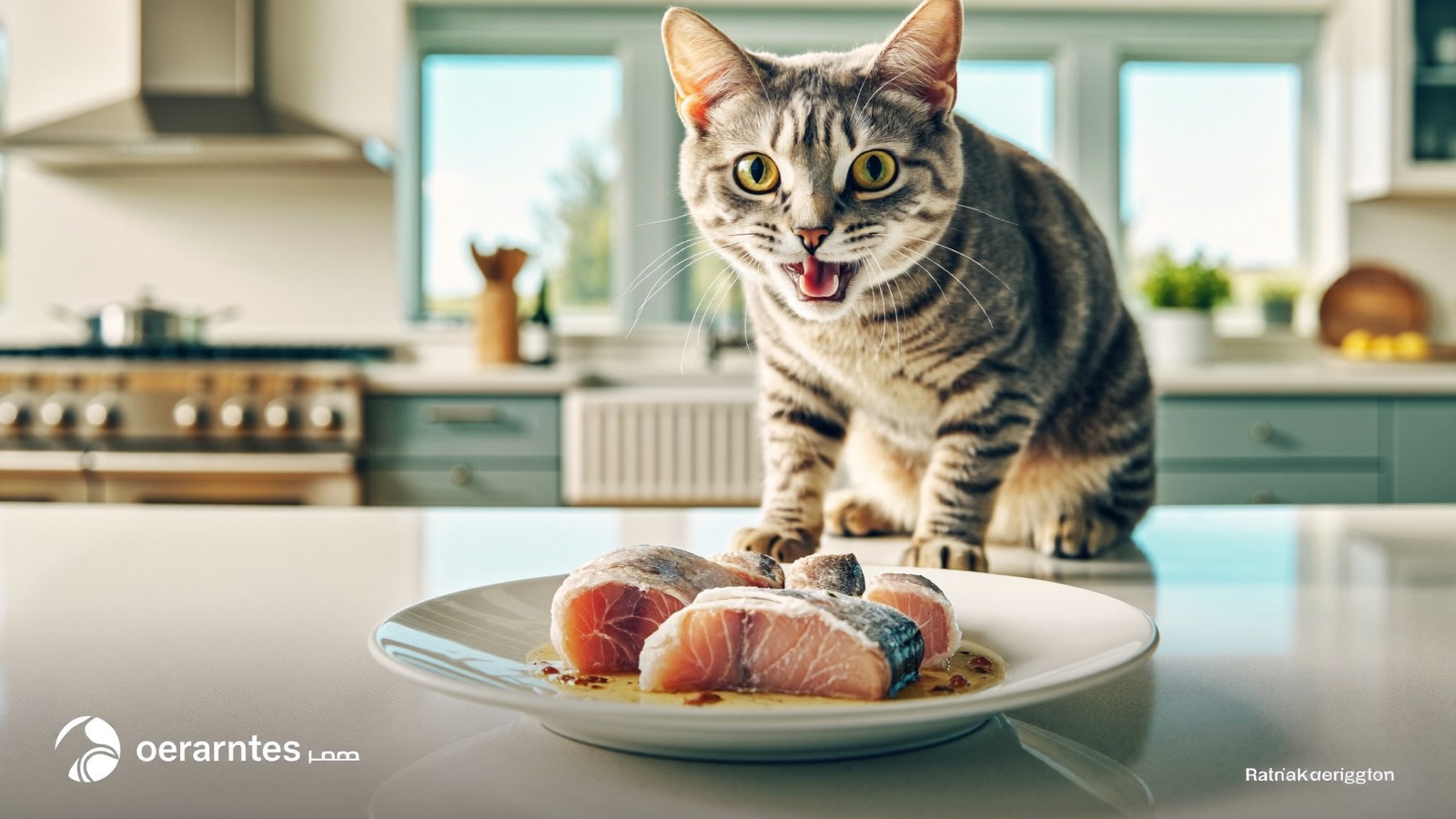
Is fish good for cats?
Cats are meat-eaters, and fish is a palatable, protein-rich food that many cats adore. Oily fish like salmon and sardines also provide omega-3 fatty acids, which support skin, coat and joint health. In the right amount, cooked fish makes a fine treat.
But contrary to the cartoon image, fish isn't a natural everyday food for cats, and it isn't nutritionally complete on its own. Relied on too heavily, it can actually cause problems — so the amount and preparation matter.
The risks of too much fish
A fish-based diet, or a lot of fish as treats, can cause several issues:
- Thiamine (vitamin B1) deficiency: some raw fish contains an enzyme (thiaminase) that destroys thiamine, which can cause serious neurological problems. Cooking deactivates it.
- Mercury and heavy metals: large, long-lived fish like tuna can accumulate mercury, so frequent tuna isn't ideal.
- Nutritional imbalance: a fish-only diet can be too high in certain fats and low in other nutrients, and can lead to a painful fat inflammation (steatitis) if vitamin E isn't balanced.
- Allergies: fish is one of the more common feline food allergens.
Raw, canned or cooked?
How you serve fish makes a big difference:
| Form | Verdict |
|---|---|
| Plain cooked fish (baked/steamed) | Best choice — safe as an occasional treat, bones removed. |
| Raw fish | Avoid — risk of bacteria, parasites and thiaminase. |
| Canned tuna (in water) | Okay as a rare treat; not for regular feeding due to mercury and imbalance. |
| Canned fish in oil or brine | Avoid — too much oil and salt. |
| Seasoned or battered fish | Avoid — salt, oil and seasonings upset the stomach. |
Practical take: Always remove bones. Fish bones can splinter and cause choking or internal injury.
How to feed fish the right way
If you want to give your cat fish, keep it simple:
- Cook it plain — baked, steamed or poached, no oil, salt or seasoning.
- Remove all bones and skin.
- Offer small pieces as an occasional treat, not a daily meal.
- Keep all treats under about 10% of daily calories.
- Introduce it slowly and watch for any allergic or digestive reaction.
A complete commercial cat food (which may already include fish) should remain the foundation of the diet.
Track treats and reactions
Fish is both a favorite and a common allergen, which makes it a good example of why tracking treats pays off. If your cat develops itchy skin, ear trouble or digestive upset, a record of what they've been eating — and how often fish appears — helps you and your vet spot a possible food trigger instead of guessing. Logging new foods and any reactions over time turns scattered observations into a clear pattern.
Spot food triggers before they become problems
Tavi lets you log treats, new foods and any skin or tummy reactions so you can see patterns over time and share a clear history with your vet. Free for your first pet.
Frequently asked questions
Can cats eat fish every day?
It's not recommended. Daily fish can lead to nutritional imbalances, excess mercury from fish like tuna, and even thiamine deficiency if any of it is raw. Fish is best as an occasional treat alongside a complete cat food that meets all your cat's needs.
Can cats eat raw fish?
No, raw fish is best avoided. It can carry bacteria and parasites, and some raw fish contains an enzyme that destroys thiamine (vitamin B1), which can cause serious neurological problems. Cooking the fish plain removes these risks.
Is canned tuna safe for cats?
A little canned tuna in water can be a rare treat, but it shouldn't be a regular food. Tuna can be high in mercury and doesn't provide balanced nutrition, and some cats become so fond of it they refuse their proper food. Avoid tuna packed in oil or brine.
Can cats eat fish bones?
No. Fish bones can splinter and cause choking or injure the mouth, throat or digestive tract. Always remove all bones before offering fish, and never give a cat leftover fish carcasses.
Why is my cat obsessed with fish but it upsets their stomach?
Cats are drawn to the strong smell and rich taste of fish, but loving it doesn't mean they tolerate it well — fish is a common feline food allergen and can cause digestive upset in some cats. If fish reliably upsets your cat, skip it and choose a treat that agrees with them.
Tavi's guides are informational and not a substitute for professional veterinary advice, diagnosis or treatment. When in doubt, call your veterinarian.