Can Cats Eat Cheese? What Owners Should Know
Start here
Cats can eat a tiny bit of cheese, but it's not a good treat and isn't necessary. Cheese isn't toxic, and a small nibble is handy for hiding a pill. But most adult cats are lactose intolerant, and cheese is high in fat and salt — so it commonly causes stomach upset and adds empty calories. If you offer it at all, keep it to an occasional pea-sized piece.
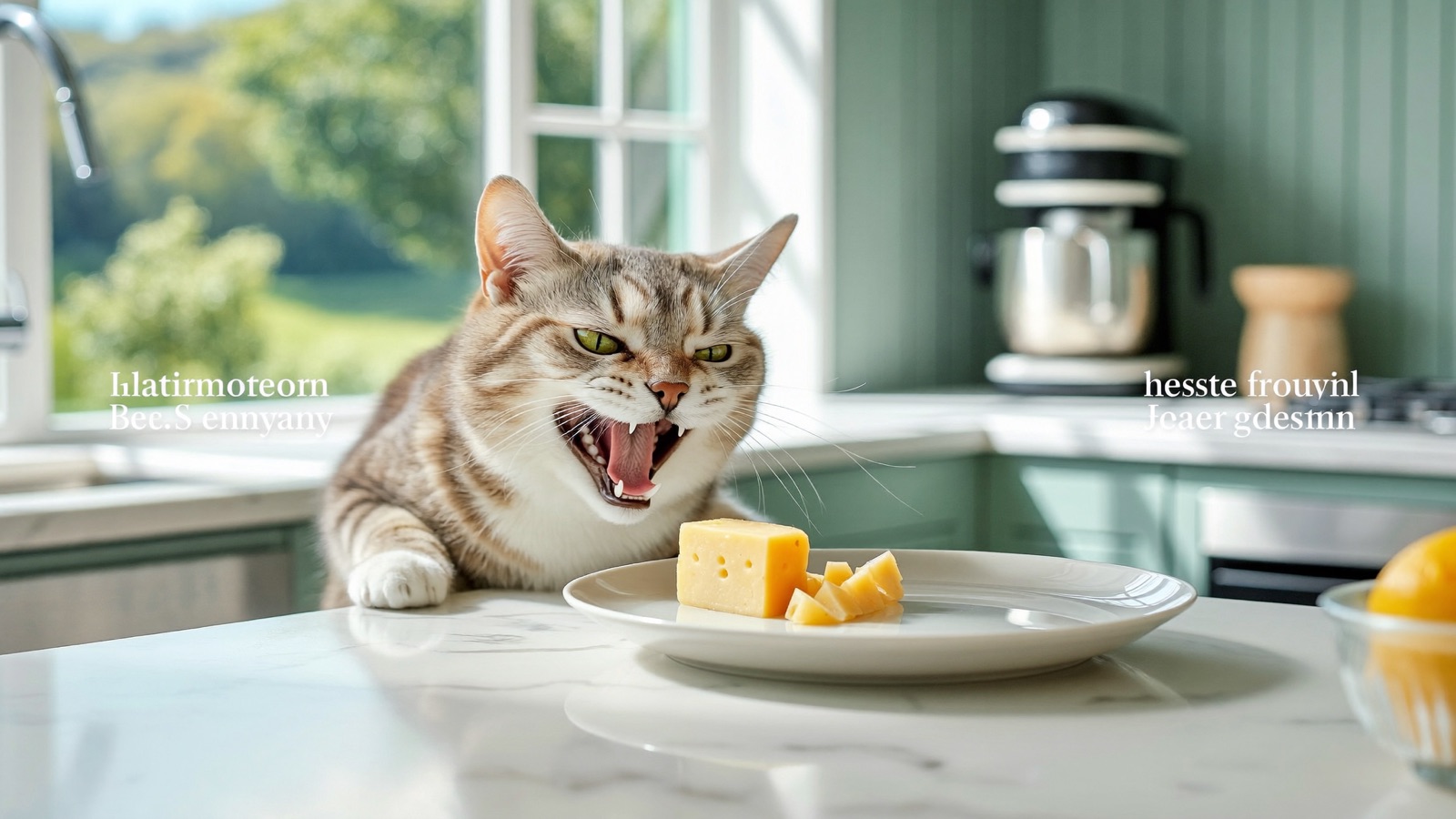
Is cheese safe for cats?
Cheese isn't poisonous to cats, so a small taste won't cause harm the way something like chocolate or onion would. But "not toxic" isn't the same as "good for them." Cats are obligate carnivores — they're built to get their nutrition from meat, not dairy — and cheese offers nothing they can't get better from a balanced cat food.
The main issue is that most adult cats are lactose intolerant. They stop making enough of the enzyme (lactase) to digest milk sugar after kittenhood, so dairy often leads to digestive trouble.
Why cheese can cause problems
A few things make cheese a less-than-ideal treat:
- Lactose: can cause diarrhea, gas and an upset stomach in lactose-intolerant cats (which is most of them).
- High fat: rich, fatty foods can trigger vomiting or, over time, contribute to weight gain and pancreatitis.
- High salt: many cheeses are salty, which isn't ideal, especially for cats with heart or kidney concerns.
- Flavored cheeses: anything with onion, garlic or chives is toxic to cats and must be avoided entirely.
If you do offer cheese
If you want to use cheese occasionally — often it's just the easiest way to get a pill down — keep these guidelines in mind:
| Better choices | Avoid |
|---|---|
| A tiny pea-sized piece | Regular or large servings |
| Plain, low-salt hard cheese | Soft, mold-ripened cheeses (e.g. blue cheese) |
| Occasional, as a treat | Flavored cheeses with onion/garlic/chives |
| Watching for tummy upset after | Cheese as a daily habit |
Practical take: Mold-ripened cheeses like blue cheese should be avoided entirely — the molds can produce substances that make cats sick.
Better treat alternatives
If you want a treat your cat will love that suits their carnivore biology, reach for:
- Small pieces of cooked, plain chicken or turkey
- A little plain cooked fish now and then
- Commercial cat treats made for feline digestion
- Freeze-dried meat treats with no additives
Keep all treats to about 10% of your cat's daily calories so they don't unbalance a complete diet.
Notice what agrees with your cat
Cats vary a lot in what they tolerate — one may nibble cheese with no issue while another gets loose stool from a crumb. If you use cheese to give medication or as an occasional treat, it's worth noting when you gave it and whether anything followed. Logging treats alongside any digestive changes helps you learn your individual cat's limits and gives your vet useful context if tummy troubles become a pattern.
Learn what your cat can and can't handle
Tavi lets you log treats, pill-time foods and any stomach upsets so you can see patterns over time and figure out what really agrees with your cat. Free for your first pet.
Frequently asked questions
Is cheese bad for cats?
Cheese isn't toxic, but it isn't a good treat. Most adult cats are lactose intolerant, and cheese is high in fat and salt, so it commonly causes stomach upset and adds unnecessary calories. A tiny piece won't harm most cats, but it offers no real benefit.
Can I use cheese to give my cat a pill?
A small piece of plain cheese can work for hiding a pill, and many owners do this occasionally. Just keep the amount tiny, avoid flavored or salty cheeses, and ask your vet — some medications shouldn't be given with dairy, and pill pockets made for cats are a safer alternative.
What kinds of cheese should cats never eat?
Avoid mold-ripened cheeses like blue cheese, since the molds can produce substances that make cats sick, and any cheese flavored with onion, garlic or chives, which are toxic to cats. Very salty and very soft cheeses are also best avoided.
Why do cats like cheese?
Cats are drawn to the fat and protein in cheese, and its rich smell appeals to them. But being attracted to it doesn't mean they can digest it well — most cats lack enough lactase to handle the milk sugar, so cheese often causes an upset stomach despite the appeal.
My cat ate cheese and has diarrhea — what should I do?
Mild diarrhea from a bit of cheese usually settles on its own within a day; make sure fresh water is available and skip any more dairy. If diarrhea or vomiting is severe, lasts beyond a day or two, or your cat seems lethargic, contact your vet.
Tavi's guides are informational and not a substitute for professional veterinary advice, diagnosis or treatment. When in doubt, call your veterinarian.