Can Cats Drink Milk? The Truth About Cats & Dairy
Start here
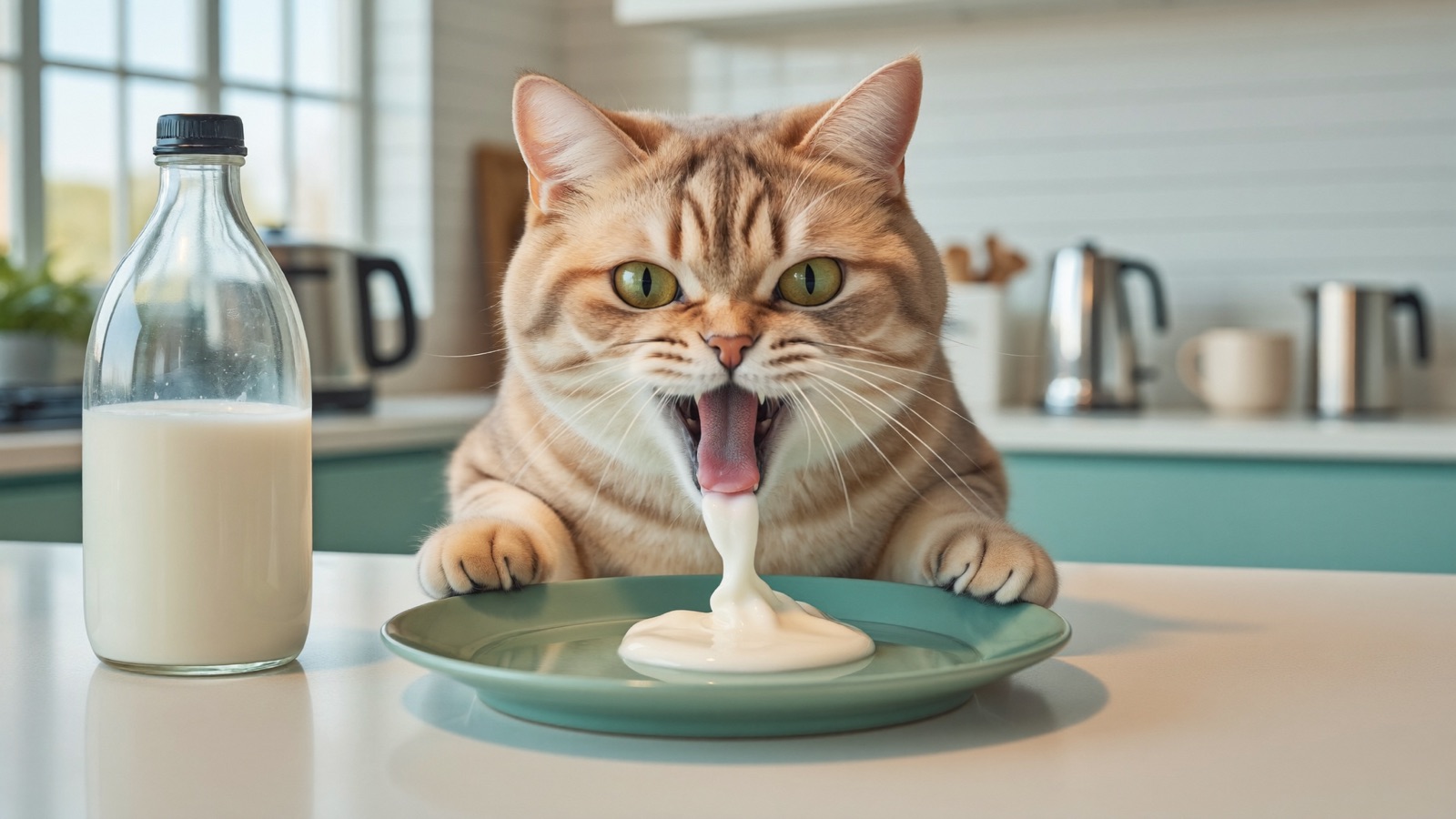
Most cats shouldn't drink cow's milk. The classic image of a cat lapping a saucer of milk is misleading — the vast majority of adult cats are lactose intolerant. Their bodies stop making enough of the enzyme (lactase) needed to digest milk sugar after kittenhood, so dairy commonly causes diarrhea, gas and an upset stomach. A tiny lick won't poison your cat, but milk offers no nutritional benefit and often causes more harm than good.
Why milk usually upsets cats
Kittens are built to drink their mother's milk, and they produce plenty of lactase — the enzyme that breaks down the milk sugar lactose. As cats are weaned onto solid food, lactase production naturally drops. By adulthood, most cats can no longer digest lactose properly.
When an adult cat drinks cow's milk, the undigested lactose sits in the gut, draws in water and gets fermented by gut bacteria. The result is often diarrhea, gas, bloating and stomach cramps, usually within 8 to 12 hours. It's the same reason many people are lactose intolerant — the cat just can't process it comfortably.
Signs milk didn't agree with your cat
If your cat has had dairy and it disagreed with them, watch for:
- Loose stool or diarrhea — the most common sign
- Vomiting or a generally upset stomach
- Gas and bloating, or a visibly uncomfortable belly
- Reduced appetite or low energy for a day
These effects are unpleasant but usually pass on their own within a day or so. If diarrhea or vomiting is severe, keeps going beyond 24 to 48 hours, or your cat seems lethargic or dehydrated, call your vet.
What about kittens, cream and "cat milk"?
A few nuances are worth knowing:
| Type | Verdict for cats |
|---|---|
| Cow's milk (whole/skim) | Not recommended — high lactose, common cause of diarrhea. |
| Cream | Lower in lactose but very high in fat — can cause upset stomach and adds empty calories. |
| Lactose-free "cat milk" (pet-store) | Formulated to be low-lactose; fine as an occasional treat, but still just extra calories. |
| Kitten milk replacer (KMR) | The only milk an orphaned kitten should get — never cow's milk. Ask your vet. |
Practical take: Orphaned kittens under about four weeks need a proper kitten milk replacer, not cow's milk. Once weaned, cats don't need milk of any kind.
Better treats than a saucer of milk
Cats are obligate carnivores — they thrive on meat-based nutrition and get all the water they need from fresh water and wet food. Instead of milk, offer:
- Fresh water, ideally in a wide bowl or a pet fountain to encourage drinking
- Small amounts of cooked, plain meat like chicken or turkey
- A little plain cooked fish as an occasional treat
- Commercial cat treats formulated for feline digestion
Keep all treats to about 10% of your cat's daily calories so they don't unbalance a complete diet.
Knowing your cat's normal
The tricky thing about food sensitivities is that they're easy to blame on the wrong thing. If your cat gets loose stool now and then, it helps to know what they actually ate and when — was it milk yesterday, a diet change last week, or something else entirely? Logging treats, new foods and any stool changes over time turns guesswork into a pattern you (and your vet) can actually read, and makes it much easier to pinpoint what your cat tolerates.
Track what your cat eats and how they react
Tavi lets you log treats, diet changes and any tummy troubles in one place and see them on a timeline — so you can spot which foods agree with your cat and which don't. Free for your first pet.
Frequently asked questions
Can cats drink milk at all?
Most adult cats are lactose intolerant and can't properly digest the sugar in cow's milk, so it commonly causes diarrhea and stomach upset. A small lick won't poison them, but milk has no nutritional benefit and is best avoided. Fresh water is what your cat actually needs.
Why do cats like milk if it's bad for them?
Cats are drawn to the fat and protein in milk, and the taste and smell appeal to them — but liking it isn't the same as tolerating it. Their bodies stop making enough lactase to digest milk sugar after kittenhood, so what tastes good often causes an upset stomach.
Is lactose-free or "cat milk" safe?
Lactose-free cat milk sold in pet stores is formulated to avoid the digestive problems of regular milk, so it's fine as an occasional treat. That said, it's still extra calories with no real benefit, so keep it small and infrequent.
Can kittens drink cow's milk?
No. Orphaned or very young kittens need a proper kitten milk replacer (KMR), not cow's milk, which can cause diarrhea and doesn't meet their nutritional needs. Once kittens are weaned onto solid food, they don't need milk of any kind.
What should I do if my cat drank milk and has diarrhea?
Mild diarrhea from milk usually clears up on its own within a day or so — make sure fresh water is available and hold off on giving any more dairy. If diarrhea or vomiting is severe, lasts beyond 24 to 48 hours, or your cat seems lethargic or dehydrated, call your vet.
Tavi's guides are informational and not a substitute for professional veterinary advice, diagnosis or treatment. When in doubt, call your veterinarian.