British Shorthair Cat Health Issues & Lifespan
Start here
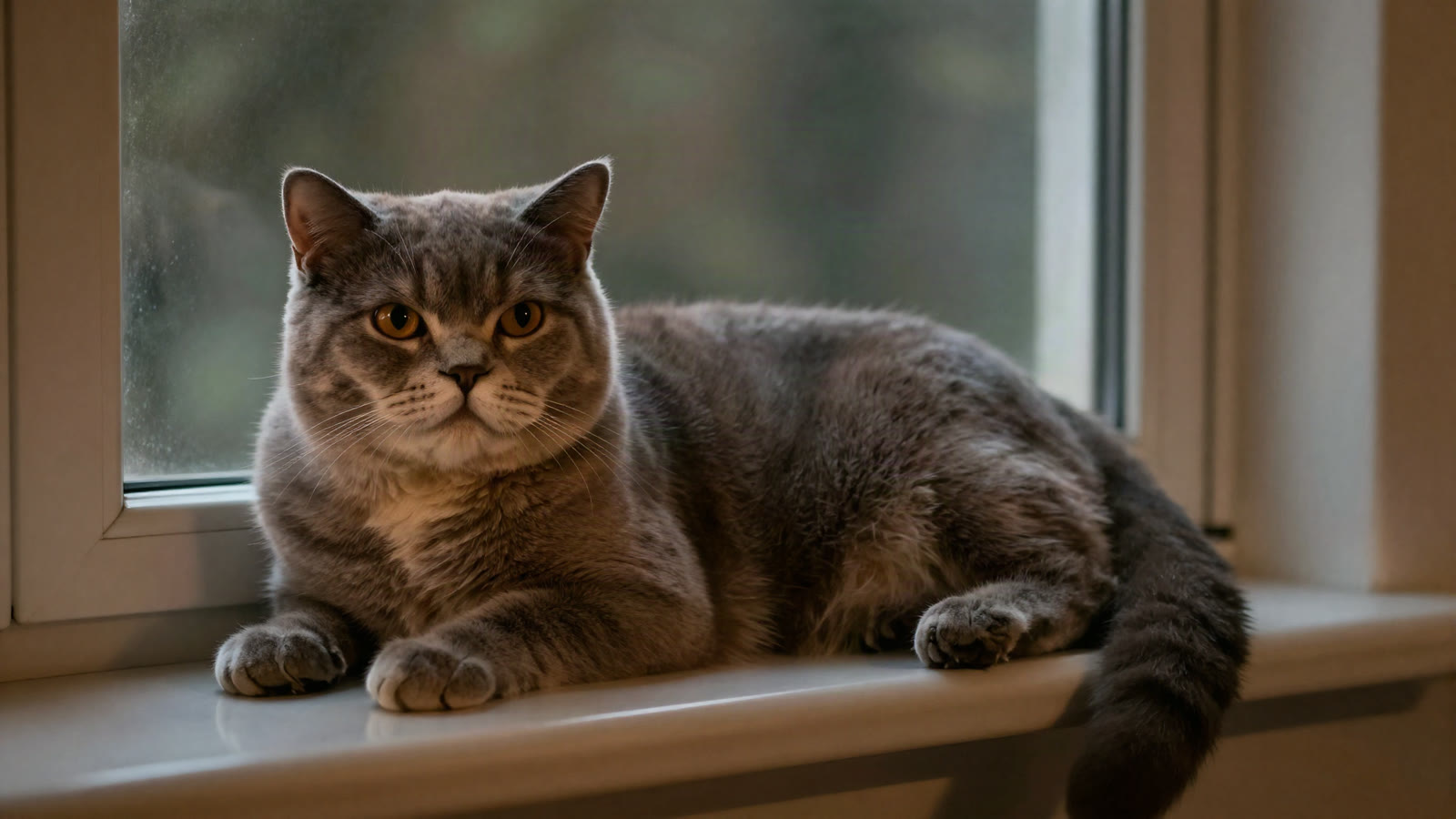
British Shorthairs are calm, sturdy cats that typically live 12-17 years, and they are generally a healthy, long-lived breed. Their most important health concern is hypertrophic cardiomyopathy (HCM), a heart condition, along with a tendency toward obesity and some inherited kidney issues.
What health problems are British Shorthairs prone to?
British Shorthairs are robust, but a handful of conditions deserve attention:
- Hypertrophic cardiomyopathy (HCM): the most common heart disease in cats and the top concern in this breed. The heart muscle thickens, reducing its efficiency and risking clots and heart failure.
- Obesity: their stocky build and laid-back nature make them prone to weight gain, which compounds other risks.
- Polycystic kidney disease (PKD): inherited fluid-filled cysts in the kidneys in some lines.
- Dental disease: including gingivitis and tooth resorption.
- Hemophilia B: an inherited bleeding disorder identified in some British Shorthair lines.
- Chronic kidney disease: common in older cats generally.
What early signs should British Shorthair owners watch for?
Cats hide illness well, so watch closely for:
- Rapid or labored breathing, open-mouth breathing, lethargy, or sudden hind-leg weakness or paralysis (possible heart disease, a serious emergency)
- Weight gain and reduced activity (obesity)
- Increased thirst and urination, weight loss, or poor appetite (possible kidney disease)
- Bad breath, drooling, or trouble eating (dental disease)
- Excessive bleeding from minor injuries (possible clotting disorder)
Because HCM can be silent until it is advanced, any breathing change or sudden leg weakness needs emergency veterinary care.
How do you keep a British Shorthair healthy?
Weight control and heart monitoring are the priorities for this breed:
- Keep them lean: British Shorthairs gain weight easily. Measure food, limit treats, and encourage play, since obesity worsens heart, joint, and kidney health.
- Monitor the heart: ask your vet to listen at every visit, and consider periodic screening (an echocardiogram) given the HCM risk.
- Support kidney health: ensure fresh water always, and ask about PKD screening if lineage is unknown.
- Keep up dental care with home brushing and veterinary cleanings.
- Provide enrichment: toys and climbing keep this calm breed active.
Tracking weight and vet visits over time helps breed issues show as trends. Logging each weigh-in and any breathing or appetite changes in Tavi makes it easier to catch the slow weight gain or subtle signs that point to heart or kidney problems.
How long do British Shorthairs live, and when should you see the vet?
British Shorthairs typically live 12 to 17 years, and many reach their late teens with good care. They are one of the more robust, long-lived cat breeds.
Seek emergency care for any breathing difficulty or sudden hind-leg weakness (possible heart problem with a clot). See your vet for weight gain, increased thirst or urination, dental trouble, or reduced appetite. Annual checkups (twice yearly for seniors) with heart auscultation and periodic bloodwork help catch HCM and kidney disease early.
Frequently asked questions
Are British Shorthairs healthy cats?
Yes, British Shorthairs are generally a healthy, sturdy breed that often lives 12-17 years. Their main concern is hypertrophic cardiomyopathy (HCM), a heart condition, along with a strong tendency toward obesity and some inherited kidney issues. Keeping them lean, monitoring the heart, ensuring good dental and kidney care, and choosing health-screened lines all support a long, healthy life.
What is HCM in British Shorthair cats?
Hypertrophic cardiomyopathy (HCM) is a disease where the heart muscle thickens, making the heart pump less efficiently and raising the risk of blood clots and heart failure. It is the most common heart disease in cats and a key concern in British Shorthairs. It can be silent until advanced, so watch for labored breathing or sudden hind-leg weakness, and ask your vet about periodic heart screening.
Why is my British Shorthair getting overweight?
British Shorthairs have a stocky build and a calm, low-activity nature, which makes them prone to gaining weight, especially if free-fed. Obesity worsens heart, joint, and kidney health, so it matters. Measure meals rather than leaving food out, limit treats, and encourage daily play and climbing. Weigh your cat periodically to catch gains early, and ask your vet for a target weight.
Do British Shorthairs get kidney disease?
Some do. Polycystic kidney disease (PKD), an inherited condition causing fluid-filled cysts in the kidneys, occurs in some lines, and chronic kidney disease is common in older cats generally. Watch for increased thirst and urination, weight loss, and poor appetite. Ensure constant access to fresh water, ask breeders about PKD screening, and have senior cats' kidney values checked with routine bloodwork.
Tavi's guides are informational and not a substitute for professional veterinary advice, diagnosis or treatment. When in doubt, call your veterinarian.