German Shepherd Health Issues: What to Watch
Start here
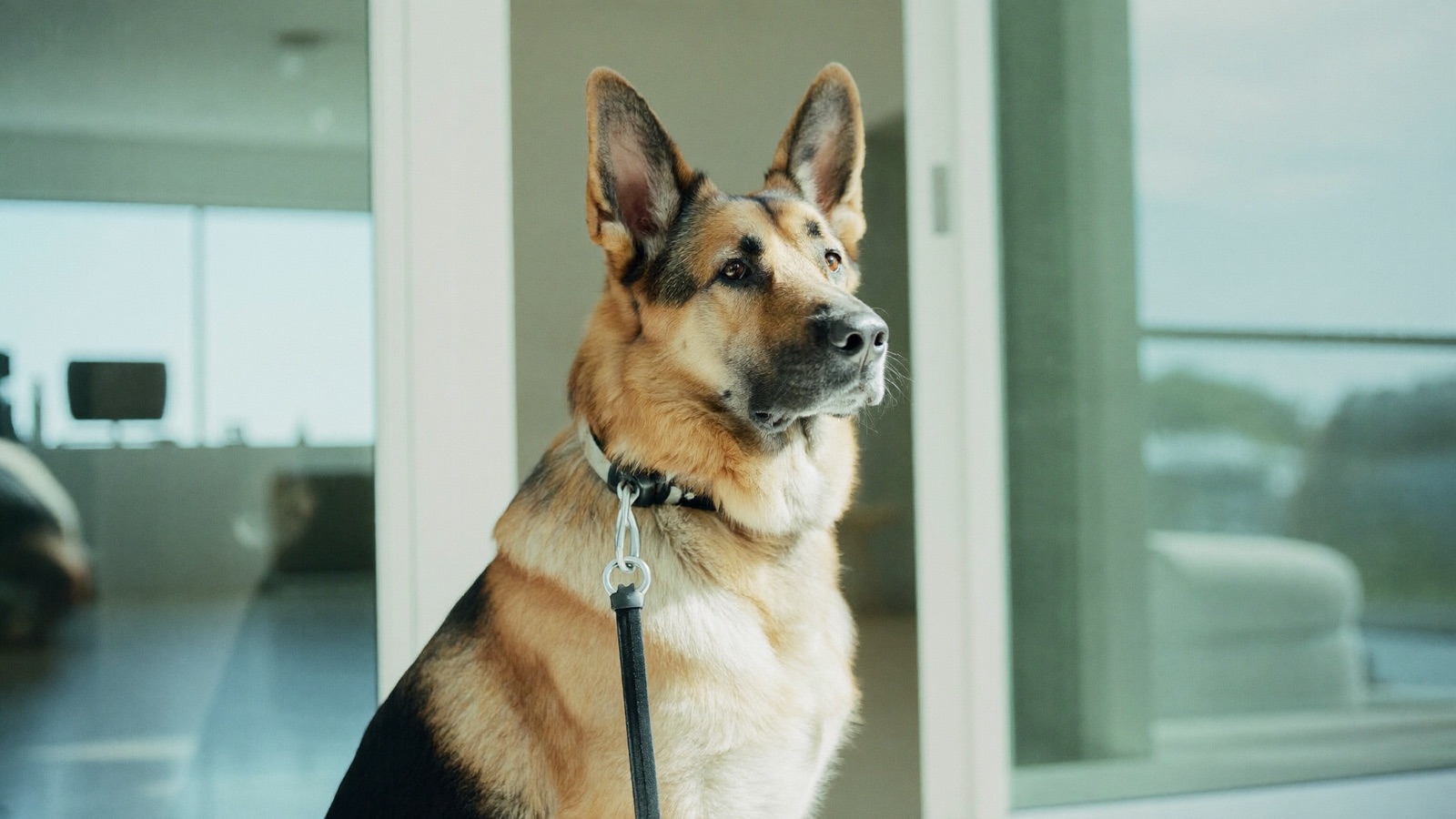
German Shepherds are intelligent, athletic dogs but are predisposed to several notable conditions: hip and elbow dysplasia, degenerative myelopathy (a progressive spinal cord disease), bloat (GDV), and sensitive digestion. The breed is also prone to certain skin, pancreatic, and joint problems. With responsible breeding, weight control, and attentive veterinary care, most German Shepherds live around 9-13 years.
Joint and spinal problems
The German Shepherd's most well-known health challenges affect the joints and spine, and the breed's sloped-back conformation has drawn attention for its impact on hind-end health.
- Hip and elbow dysplasia: inherited joint malformations that lead to pain and arthritis. Screening breeding dogs is essential.
- Degenerative myelopathy (DM): a progressive, non-painful disease of the spinal cord that causes gradual hind-leg weakness and, eventually, paralysis. A genetic test can identify at-risk dogs, though not all carriers develop it.
- Cruciate ligament injuries and general osteoarthritis with age.
Practical take: Early hind-end weakness, dragging or scuffing the back paws, or a wobbly gait deserves a vet visit — distinguishing arthritis, hip dysplasia and degenerative myelopathy changes the plan significantly.
Bloat: a breed emergency
German Shepherds are deep-chested and at high risk for bloat (gastric dilatation-volvulus, GDV) — a true emergency. Watch for a swollen, tight abdomen, unproductive retching or gagging, drooling, pacing, and obvious distress. Go straight to an emergency vet; GDV can become fatal within hours.
To lower risk, feed smaller meals rather than one large one, avoid vigorous exercise right around mealtimes, and consider a slow-feeder bowl. Some owners of high-risk dogs discuss a preventive stomach-tacking surgery (gastropexy) with their vet, often done at the same time as spay or neuter.
Digestive and other common issues
German Shepherds are known for sensitive stomachs and a few breed-associated conditions:
| Condition | What to watch for |
|---|---|
| Exocrine pancreatic insufficiency (EPI) | Chronic diarrhea, weight loss despite good appetite, greasy stool |
| Chronic diarrhea / food sensitivity | Loose stool, gas, inconsistent digestion |
| Degenerative myelopathy | Hind-leg weakness, scuffing paws, loss of coordination |
| Hip/elbow dysplasia | Stiffness, limping, trouble rising, reluctance to jump |
| Skin allergies & hot spots | Itching, redness, recurrent skin infections |
| Perianal fistulas | Pain around the anus, scooting, discharge |
EPI in particular is a classic German Shepherd condition: the pancreas fails to produce enough digestive enzymes, and affected dogs lose weight despite eating well. It's manageable with enzyme supplementation once diagnosed.
Skin, allergies and grooming
German Shepherds have a dense double coat and shed heavily year-round, with two big seasonal blowouts. Regular brushing keeps the coat and skin healthy and helps you spot lumps, parasites or hot spots early.
The breed is prone to allergies and itchy skin, which can lead to secondary infections if left unmanaged. Keep an eye on the ears too, and don't over-bathe — see how often to bathe a dog.
Keeping your German Shepherd healthy
A thoughtful care routine goes a long way for this breed:
- Buy from a responsible breeder who screens hips and elbows and tests for degenerative myelopathy.
- Keep your dog lean and well-muscled to protect the joints and spine.
- Provide steady daily exercise and mental work — Shepherds are working dogs that need a job.
- Manage feeding to reduce bloat risk and support digestion.
- Stay current on wellness exams so joint and digestive changes are caught early.
Because conditions like arthritis, EPI and degenerative myelopathy progress gradually, tracking weight, mobility, stool quality and energy over time helps you notice a real trend and gives your vet a clear history to work from.
Track mobility and digestion over your Shepherd's life
Tavi logs your German Shepherd's weight, mobility, stool notes and vet visits and charts them over time, so slow changes in the joints or gut show up early. Free for your first pet.
Frequently asked questions
What health problems are German Shepherds prone to?
Common issues include hip and elbow dysplasia, degenerative myelopathy, bloat (GDV), exocrine pancreatic insufficiency, chronic diarrhea and food sensitivities, skin allergies, and perianal fistulas. Responsible breeding and weight control help reduce several of these.
How long do German Shepherds live?
German Shepherds typically live around 9 to 13 years. Keeping them lean, active, and current on veterinary care, along with managing bloat risk, supports a longer, healthier life.
What is degenerative myelopathy in German Shepherds?
It's a progressive, non-painful disease of the spinal cord that causes gradual hind-leg weakness and coordination loss, eventually leading to paralysis. A genetic test can identify at-risk dogs, though not every carrier develops the disease. There is no cure, but supportive care helps.
Are German Shepherds prone to bloat?
Yes. As a deep-chested breed, German Shepherds are at higher risk of bloat (GDV), which is a life-threatening emergency. Feeding smaller meals, avoiding exercise around mealtimes, and discussing a preventive gastropexy with your vet can help lower the risk.
Why does my German Shepherd have chronic diarrhea?
German Shepherds are known for sensitive digestion and are prone to exocrine pancreatic insufficiency (EPI), where the pancreas doesn't make enough digestive enzymes. Chronic diarrhea with weight loss despite a good appetite warrants a vet workup, as EPI is manageable once diagnosed.
Tavi's guides are informational and not a substitute for professional veterinary advice, diagnosis or treatment. When in doubt, call your veterinarian.