When Can My Puppy Go Outside?
Start here
Vets generally advise waiting until about one to two weeks after your puppy's final vaccines — usually around 16 weeks of age — before walking in public places unknown dogs use. Until then, socialize safely in your own clean garden and with healthy, vaccinated dogs you know. Your vet confirms the timing.
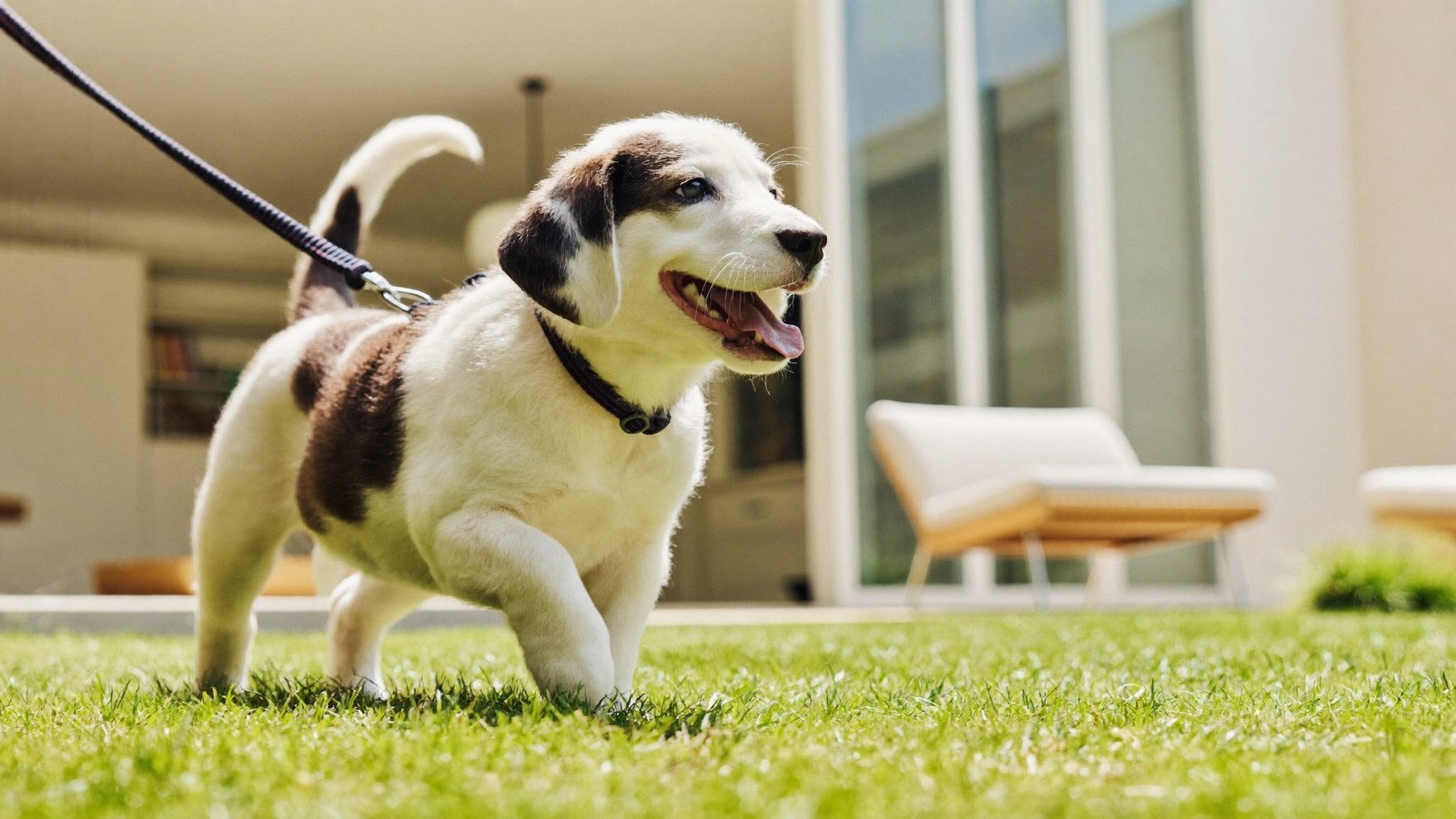
It's one of the first questions new owners ask — and the honest answer has two halves. There's a disease-risk rule that says wait, and a behavioural rule that says don't wait too long. The trick is doing both at once: protecting your puppy from illness while still using the precious early weeks to build confidence.
The vaccine-completion rule
The core reason for caution is parvovirus (and distemper) — serious, sometimes fatal diseases that survive in the environment and spread through the feces of infected dogs. A puppy's vaccine series builds immunity in stages and isn't complete until the final dose, so early on your puppy is only partly protected.
The widely used guideline: wait until about one to two weeks after the final puppy vaccine, which usually lands around 16 weeks of age (some vets extend caution to roughly 18 weeks). Protection against parvovirus in particular is considered reliable roughly 7–10 days after that last booster. Before that point, avoid places unknown or unvaccinated dogs frequent. Your vet gives the individual green light for your puppy. For the full timeline, see our puppy vaccination schedule.
The other risk: missing the socialization window
Here's the tension. A puppy's main socialization window runs from about 3 to 14 weeks — before the vaccine series is finished. Experiences during this window shape how confident, calm and well-adjusted the adult dog becomes. Waiting in total isolation until 16+ weeks can protect against disease but create lasting fear and behaviour problems, which are themselves a leading reason dogs are given up.
That's why behaviour groups such as the American Veterinary Society of Animal Behavior (AVSAB) advise starting safe socialization early — often about a week after the first set of vaccines — rather than waiting for the series to end. The goal is exposure with the risk managed, not exposure avoided.
Safe vs. risky places before full protection
You have more freedom than "stay indoors" — it's about choosing where. A general guide while the series is still in progress:
| Generally safer | Best avoided until fully protected |
|---|---|
| Your own clean, secure garden | Public parks, dog parks and shared lawns |
| Carrying your puppy or using a sling/stroller in public | Pavements and trails unknown dogs use |
| Homes of friends with healthy, fully vaccinated dogs | Pet-store and vet-waiting-room floors |
| Puppy classes that require proof of vaccination | Rest stops, kennels and boarding areas |
| A friend's clean private yard (vaccinated dogs only) | Standing water, mud and areas with dog feces |
How to socialize safely in the meantime
- Introduce everyday sights and sounds at home — the vacuum, doorbell, traffic through a window, different floor surfaces.
- Carry your puppy on outings so it can watch the world without touching risky ground.
- Invite calm, vaccinated adult dogs and gentle people over for short, positive visits.
- Handle paws, ears and mouth gently and often, so vet visits and grooming feel normal later.
- Enroll in a reputable puppy class that requires vaccination records — supervised, low-risk, and great for confidence.
- Keep sessions short and upbeat, and never force a frightened puppy.
Know the day the all-clear arrives
Tavi tracks your puppy's vaccine series and flags when the final booster — and the safe-to-walk window after it — is due, so you can plan that first proper walk. Free for your first pet.
After the all-clear
Once your vet confirms your puppy is fully protected, expand the world gradually. Start with quieter walks before busy parks, keep early outings short as stamina builds, and continue rewarding calm, curious behaviour. Keep up parasite prevention too — outdoor life means fleas and ticks and a routine deworming schedule matter more than ever.
Frequently asked questions
When can my puppy go outside for walks?
Vets generally advise waiting until about one to two weeks after the final puppy vaccine, which usually finishes around 16 weeks of age, before walking in public places unknown dogs use. Before then, protection against parvovirus is incomplete. Your own vet will confirm when it is safe for your puppy.
Can my puppy go in the backyard before vaccinations are finished?
Usually yes, if it is your own clean, secure garden and no unvaccinated or unknown dogs use it. A private yard is one of the safest early outdoor spaces. Avoid shared or public grassy areas, and pick up feces promptly. When unsure about your specific yard, ask your vet.
Why can't puppies go outside before their shots?
Young puppies are vulnerable to serious diseases like parvovirus and distemper, which survive in the environment and spread through the feces of infected dogs. Until the vaccine series is complete and immunity has built, walking where unknown dogs have been carries real risk. That is why vets set a waiting period.
How do I socialize a puppy before it can go outside?
Socialize safely at home and in controlled settings: introduce new sounds, surfaces, people and gentle handling, carry your puppy to watch the world, invite healthy fully vaccinated dogs you know into your garden, and join a puppy class that requires proof of vaccination. Keep every experience short and positive.
Is the socialization window really that important?
Yes. The main socialization window runs from roughly 3 to 14 weeks, before the vaccine series is finished, and shapes how confident the adult dog becomes. Behavior groups such as the AVSAB advise starting safe socialization early rather than waiting, because missed socialization is itself a major risk to a dog's wellbeing.
When is a puppy fully protected by its vaccines?
A puppy is generally considered fully protected about one to two weeks after the final dose of the core vaccine series, typically at 16 weeks of age or a little later. Some vets extend caution to around 18 weeks. Your vet gives the individual green light based on your puppy's schedule.
Tavi's guides are informational and not a substitute for professional veterinary advice, diagnosis or treatment. The right time for your puppy to go out depends on its vaccine schedule, health and local disease risk — always follow your own veterinarian's guidance, and when in doubt, contact your vet. Sources include the American Animal Hospital Association (AAHA), the American Veterinary Society of Animal Behavior (AVSAB), the American Kennel Club (AKC), PetMD and Preventive Vet.