Flea and Tick Prevention for Dogs
Start here
Flea and tick prevention uses a monthly or longer-acting medication — an oral chew, a topical spot-on or a collar — that kills or repels parasites before they can cause disease. Many vets advise year-round use, because ticks stay active on mild days and fleas survive indoors all winter.
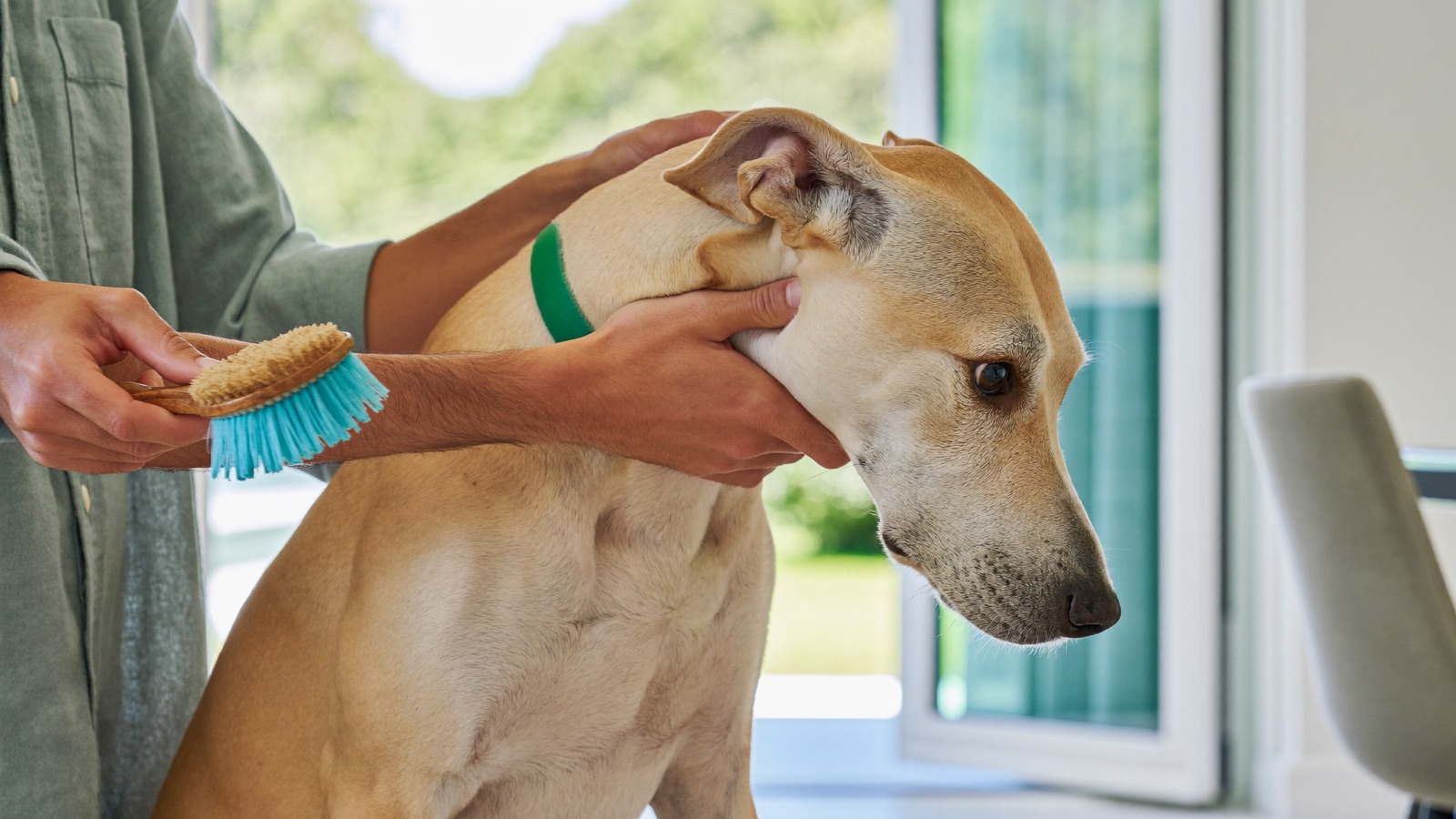
Fleas are more than an itch, and ticks carry serious disease. Both are largely preventable with a simple, consistent routine. This guide explains how prevention works, whether you need it year-round, how the product types compare, and how risk shifts by season and region.
How flea and tick prevention works
Preventives don't build a force field — they work by killing or repelling parasites once they contact or bite your dog, before they can establish an infestation or transmit disease. Most modern products act fast enough to break the flea life cycle and to kill ticks before many tick-borne infections are passed on. Because their effect wears off, they must be re-dosed on schedule to stay effective; a late dose leaves a gap.
Fleas are the bigger nuisance day-to-day — one flea becomes many quickly, and their eggs drop into carpets and bedding. Ticks are the bigger health threat, because they can transmit disease. Good prevention tackles both.
Year-round or seasonal?
The trend among veterinarians is toward year-round prevention for most dogs, for a few practical reasons:
- Ticks aren't only a summer problem. Many species become active whenever the temperature climbs above roughly 4°C (40°F), which happens on mild winter and early-spring days across much of the country.
- Fleas live indoors. Central heating gives fleas a warm home all winter, and their eggs and pupae can lie dormant in carpets and sofas for months.
- Gaps are risky. Stopping and restarting invites the exact lapse that lets an infestation take hold or a tick attach.
In genuinely cold regions with hard, sustained winters, some vets support seasonal protection instead. This is a judgement call based on your local climate and your dog's exposure — ask your vet what fits where you live.
Product types: oral, topical and collar
All three types can be effective; the right choice depends on your dog and your habits. None should be started without checking suitability for your dog's age, weight and health.
| Type | How it's used | Typical duration | Good to know |
|---|---|---|---|
| Oral chew | Given by mouth, like a treat | Monthly, or up to every 3 months | Unaffected by bathing or swimming; easy to dose accurately; some combine flea, tick and heartworm cover |
| Topical spot-on | Applied to skin between the shoulder blades | Usually monthly | Good for dogs that won't take chews; keep off freshly bathed coats and let it dry; heavy swimmers may lose efficacy |
| Collar | Worn continuously | Several months (some up to ~8) | Low-maintenance and long-lasting; ensure correct fit; remove or check per label if your dog swims often |
Risk by season and region
Exposure varies with climate, but the overall message is that risk is now year-round in more places than people assume. Use this as a rough guide, not a rule:
| Region type | Flea & tick pressure | Common approach |
|---|---|---|
| Warm / humid (e.g. Southeast, Gulf Coast) | High all year | Year-round prevention |
| Temperate (much of the country) | Peaks spring–autumn; mild-day ticks in winter | Year-round increasingly advised |
| Cold / northern with hard winters | Strong spring–autumn; low in deep winter | Year-round or seasonal, per your vet |
| Arid / high-altitude | Variable; local hotspots exist | Discuss local tick maps with your vet |
Don't let a monthly dose slip
Tavi tracks your dog's flea, tick and worm medication and reminds you the day each dose is due — so there's no gap for a parasite to sneak through. Free for your first pet.
Checking for and removing ticks
- After walks in grassy, wooded or brushy areas, run your hands over your dog — feel around the ears, neck, armpits, groin and between the toes.
- To remove a tick, use fine-tipped tweezers or a tick tool, grasp as close to the skin as possible, and pull straight out with steady pressure — don't twist or crush it.
- Clean the bite area and wash your hands afterwards.
- Note the date and watch the site and your dog; contact your vet if the dog seems unwell or you're unsure.
Because fleas transmit tapeworm, pairing flea control with a sensible deworming schedule protects on two fronts. Prevention is also a core part of any new puppy routine.
Frequently asked questions
Do dogs need flea and tick prevention year-round?
Many veterinarians recommend year-round prevention. Ticks can be active whenever temperatures rise above roughly 4 degrees Celsius (40 Fahrenheit), including mild winter days, and fleas survive year-round indoors. Continuous protection also avoids gaps when you forget to restart. In some cooler regions your vet may advise seasonal use instead.
What is the best flea and tick prevention for dogs?
There is no single best product for every dog. The best one is safe for your dog's age, weight and health, covers the parasites in your area, and is easy for you to give on time. Options include oral chews, topical spot-ons and collars. Your vet can match a product to your dog.
What is the difference between oral, topical and collar products?
Oral chews are given by mouth monthly or up to every three months and are not affected by bathing or swimming. Topical spot-ons are applied to the skin, usually monthly. Collars can protect for several months at a time. Each has trade-offs in duration, water resistance and convenience.
Can fleas and ticks be a problem in winter?
Yes. Fleas thrive in heated homes all winter, and their eggs and pupae can survive in carpets and bedding. Ticks become active on milder days even in cold months. This is a key reason many vets suggest continuous, year-round prevention rather than stopping in autumn.
What diseases do ticks spread to dogs?
Ticks can transmit Lyme disease, ehrlichiosis, anaplasmosis, Rocky Mountain spotted fever and babesiosis, among others. Signs like fever, lethargy, lameness that shifts between legs, or reluctance to move can appear days to weeks after a bite. Prompt tick removal and prevention lower the risk. See your vet if your dog seems unwell.
How do I safely remove a tick from my dog?
Use fine-tipped tweezers or a tick-removal tool, grasp the tick as close to the skin as possible, and pull straight out with steady pressure without twisting or crushing the body. Clean the area and wash your hands. Watch the site and your dog, and contact your vet if you are unsure or the dog becomes unwell.
Tavi's guides are informational and not a substitute for professional veterinary advice, diagnosis or treatment. Product choice, dose and frequency depend on your dog's age, weight, health and local parasite risk — always follow your own veterinarian's advice and the product label, and when in doubt, contact your vet. Sources include Cornell University College of Veterinary Medicine, the Companion Animal Parasite Council (CAPC), PetMD, the American Kennel Club (AKC) and the Merck Veterinary Manual.